Shaping TU’s campus for the next decade
Campus Master Plan, fueled by a Sustainability & Climate Action Plan and Energy and Decarbonization Plan, to take effect in 2026
Towson University is undertaking a comprehensive planning initiative through the development of a campus master plan that will also include two subplans, the Sustainability & Climate Action Plan (SCAP) and Energy and Decarbonization Plan, that will guide TU into the future.
To ensure that the physical campus development, environmental commitments and energy systems work together effectively, each of the proposed plans contribute to TU’s shared vision of a sustainable, efficient and vibrant campus.
“We hope to ensure that our campus development reflects our values and serves our community effectively,” says Terence McCann, TU’s associate vice president for planning, design, and construction services.
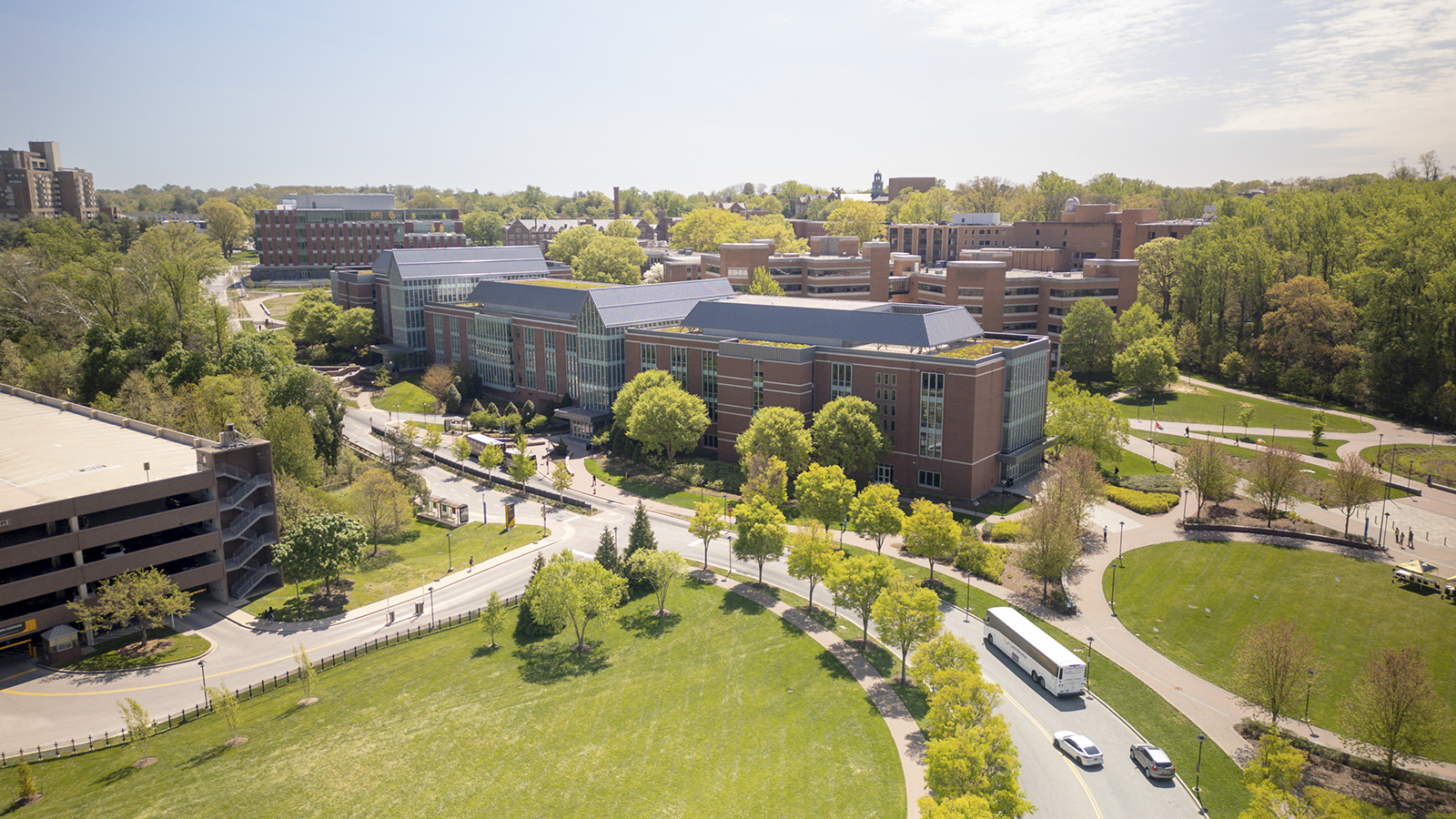
Campus Master Plan
The Campus Master Plan will need to respond to both University System of Maryland requirements and the evolving needs of the Towson community. It will need to offer a comprehensive roadmap for sustainable development across academic, research, and student life facilities, as well as the landscapes and infrastructure that connect them. This plan will set the stage for strategic investments that will guide Towson University’s physical growth and support its mission for years to come.
Sustainability & Climate Action Plan
Living within the Campus Master Plan, the SCAP fulfills TU's institutional commitment and state mandates for environmental stewardship and addresses campus-wide sustainability goals that extend beyond facilities to include curriculum, operations and community engagement. This plan will also influence initiatives with suggestions from dining options to transportation services.
Energy and Decarbonization Plan
Also, within the Campus Master Plan, the Energy and Decarbonization Plan provides technical expertise for carbon reduction and energy system improvements, supporting both sustainability goals and operational efficiency as well improving campus energy efficiency and environmental performance.
“This plan is a key step in our commitment to a sustainable future, aligning innovation with efficiency to reduce our carbon footprint and strengthen campus operations,” says Stephen Kolb, director of energy at TU.
Plan implementation
Planning for the campus master plan will continue through early 2026, with a final plan ready for approval by the USM Board of Regents in late 2026. The approved plan will guide university decisions and capital investments for years to come, making community input particularly valuable and important.

Weigh In on TU’s Future
Working with experienced outside consultants, the finalization and development of the plans will include extensive community engagement throughout the fall and into the spring of 2026, including surveys, townhall meetings and other feedback opportunities.
Meetings and forums are being coordinated for participation, including the upcoming virtual townhall on Oct. 28 to provide input on the SCAP. Attendees will learn what top climate actions are being recommended in the draft plan and can give input that will help shape the future of the university
“We encourage your participation in the engagement opportunities that align with your interests and expertise. Together, we're planning a campus that will serve our community and advance our mission for generations to come,” says Paddy Watson, TU’s director of sustainability.
There will be other opportunities to participate in events that will provide options for feedback and input to these plans. You are invited and encouraged to participate in the process.
Continue checking TU Today for opportunities on how you can provide your feedback.