Treasures
Lo and behold
A hidden gem: TU’s Lieberman Gallery offers an impressive collection of artworks donated by Sidney and Mignon Lieberman.
Tucked away in the halls and a conference room of the Honors College offices in 7800 York Road sits an art collection of impressive depth and beauty.
The Lieberman Collection consists of about 50 works donated to TU from 1983 to 1997 by Sidney and Mignon Lieberman, who were 1932 graduates of what was then Maryland State Normal School. Over the years it has been displayed at Cook Library, Lecture Hall and Stephens Hall before moving to its current location.
Access to world-class art from international artists
Consisting of paintings, drawings, sculptures, photographs, books and more, the collection is impressive for its diversity, says Adam Rudolphi, the college’s coordinator for admissions and enrollment.
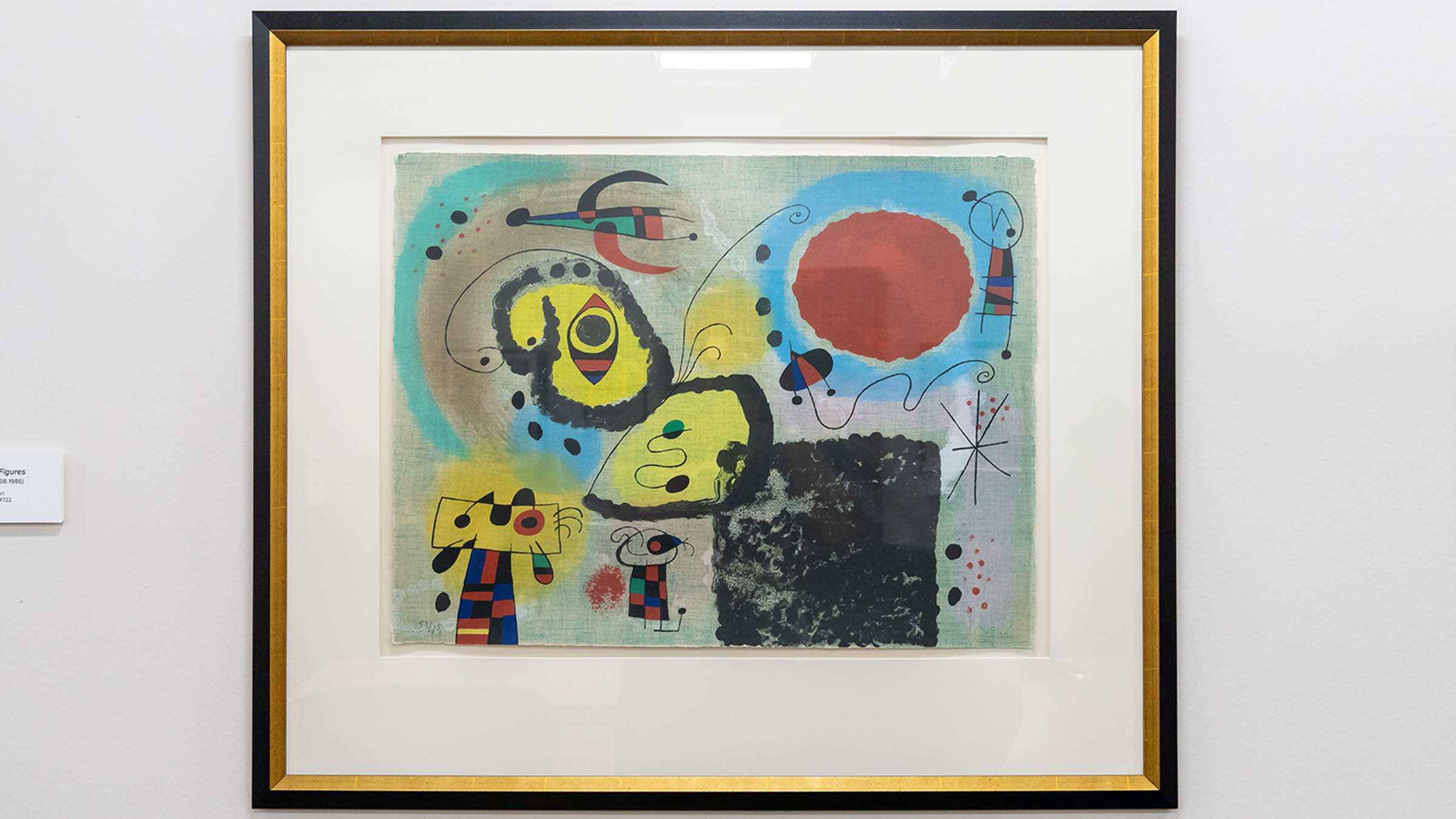
(Top left) “Le Centenaire de L’Imprimerie Mourlot” (1953) by Joan Miro; color lithograph
on Arches vellum
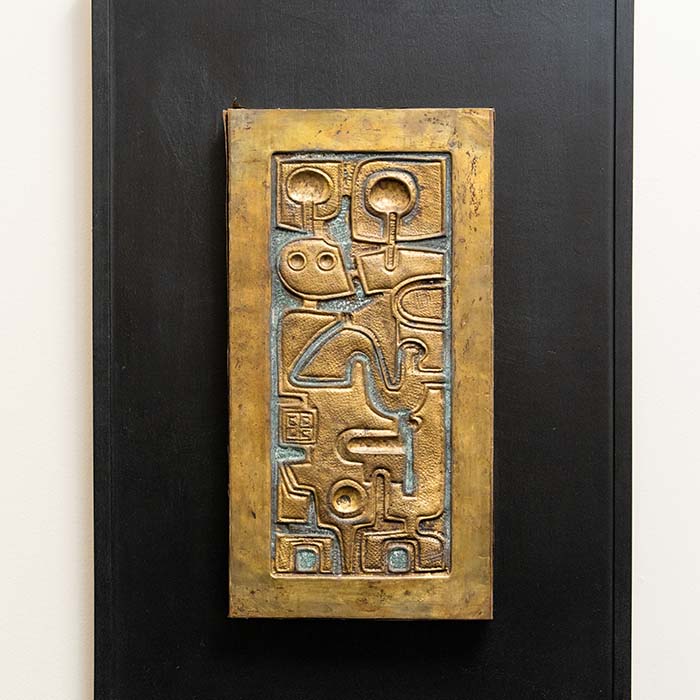
(Top right) “Ubio” (after October 1968) by Estanislao Contreras Colima; hammered brass
relief mounted onto a wood support
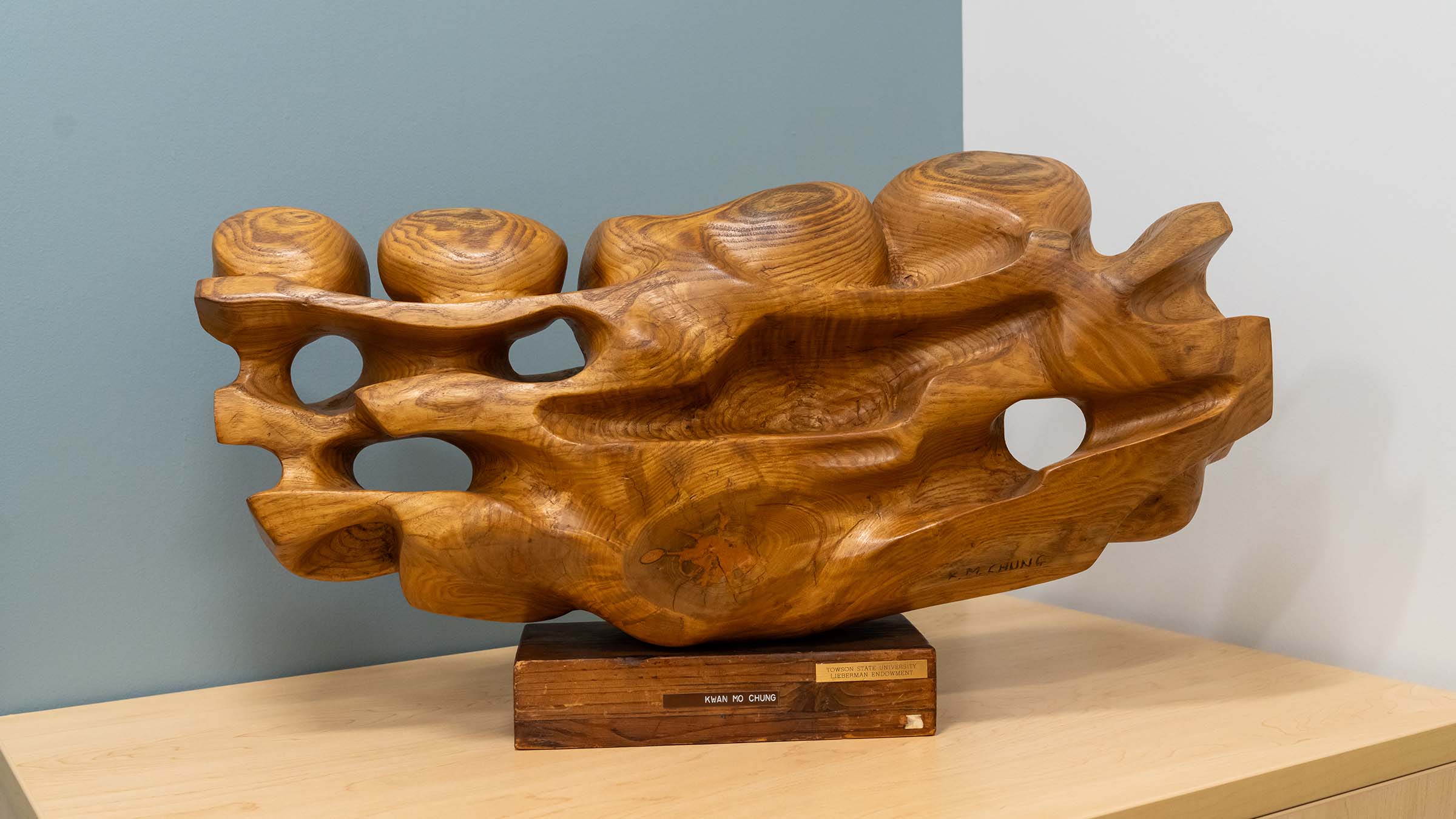
(Bottom) “Meaning of Life” (c. 1971) by Gwan-mo Chung; wood sculpture (possibly chestnut)
“It includes Central American artists, women artists, Maryland artists and LGBTQ artists and subjects,” says Rudolphi, who has a doctorate in art history and experience as a researcher at the National Gallery of Art.
He’s been working for years to uncover more information about the artists and their works, which include a large lithograph by surrealist Joan Miró and eight works by pictorialist photographer A. Aubrey Bodine. Two of Bodine’s creations in the collection were published in Harper’s Bazaar and The Saturday Evening Post.
Researching the art and their artists
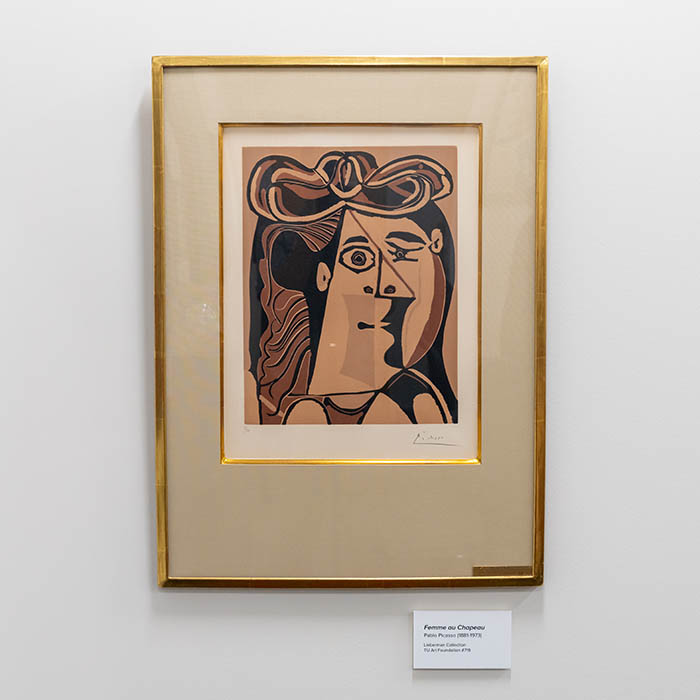
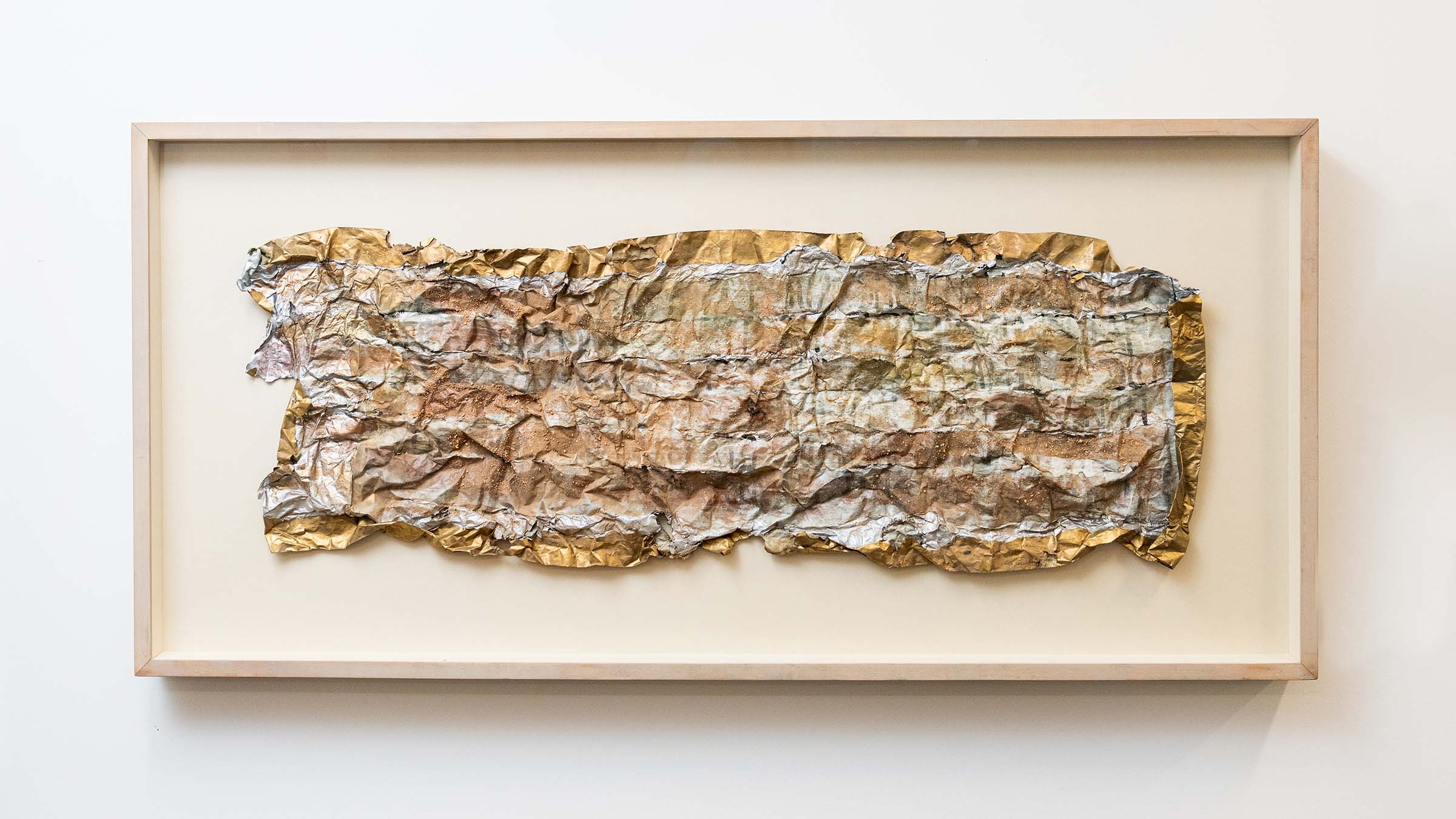
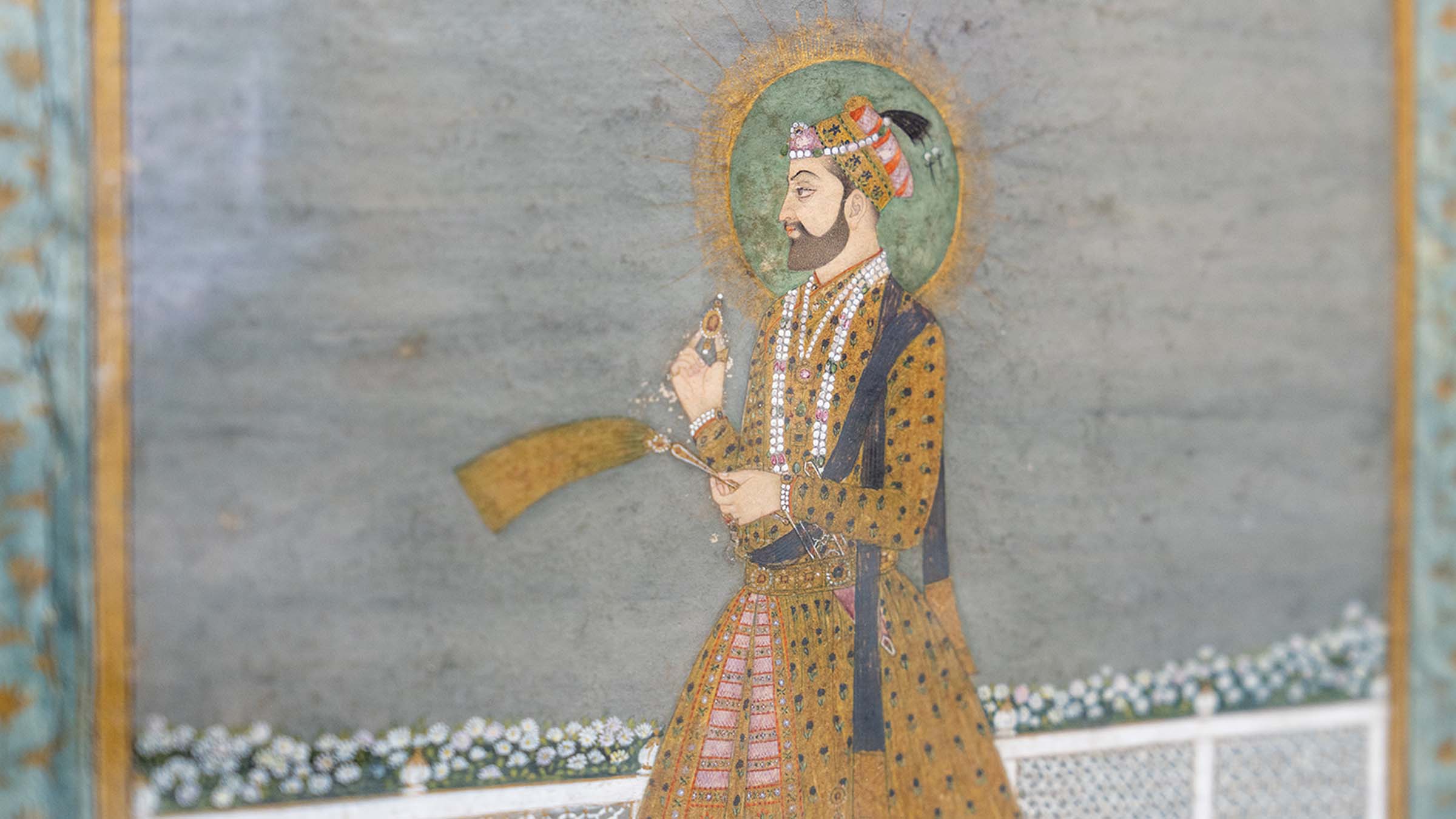
(Top left) “Femme au Chapeau” (1962) by Pablo Picasso; four-color linocut
(Top right) “Buried Scroll #1” (1981) by Beth Ames Swartz; fire, earth, sunlight,
acrylic and mixed media layered on silver- and gold-leafed rice paper
(Bottom) “Mughal Ruler, Holding a Jewel and Fly Whisk” (18th century) by an unknown
artist in Persia or India; watercolor, gouache, oil, gold paint and tempera on paper
One artist Rudolphi—and everyone else—is familiar with is Pablo Picasso. The Spanish Cubist created an abstract portrait done in linocut—a traditional printmaking technique the artist focused on intensely in the 1950s. About the size of a sheet of paper, it hangs opposite the entrance to the conference room, clearly designed to be a focal point of the collection.
I try to honor the Liebermans’ generosity with my research on their collection.
Adam Rudolphi
But the work doesn’t dazzle Rudolphi the way that some of the others in the collection do. Next to the Picasso is a portrait of the artist by photographer Yousuf Karsh.
“The textures in the printing technique [Karsh] used are rich and wonderful, and the composition is very well balanced,” Rudolphi says.
Ultimately, Rudolphi says his goal is to ensure that more people can enjoy the art.
“I try to honor the Liebermans’ generosity with my research on their collection.”
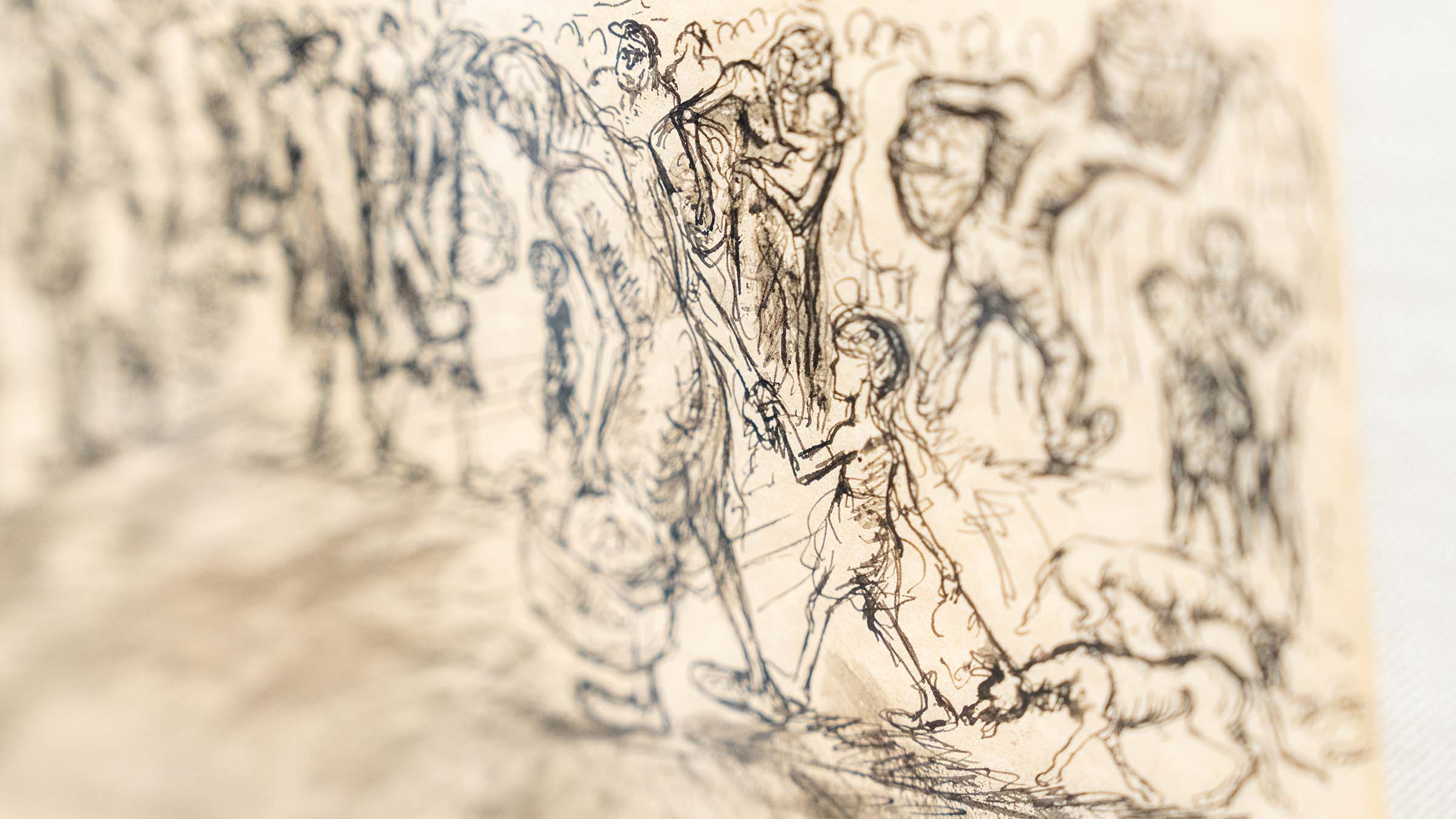
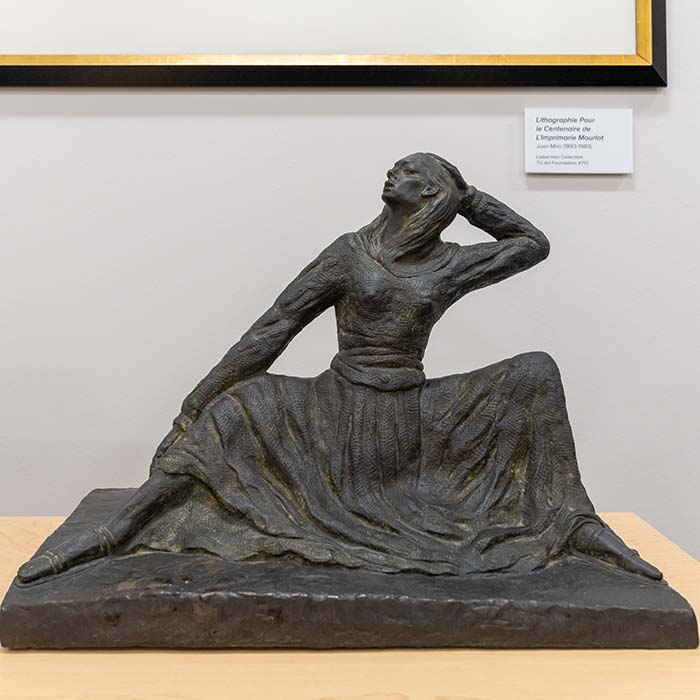
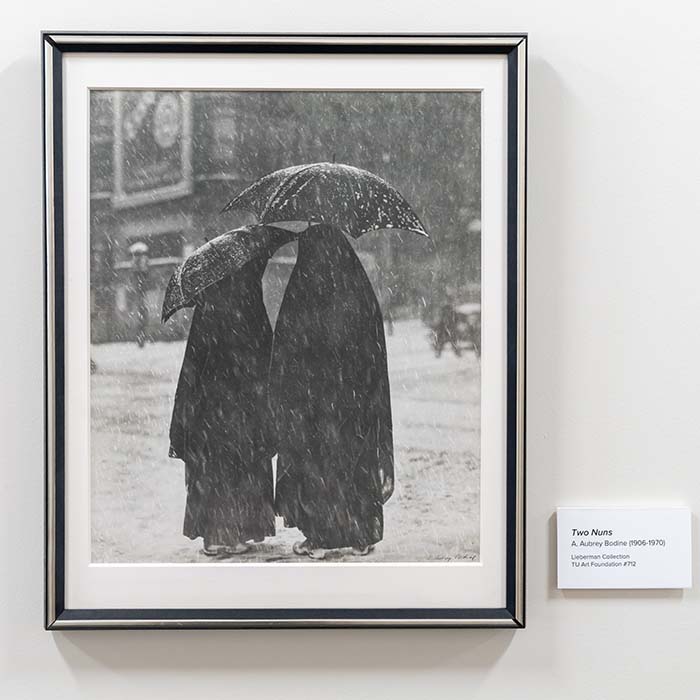
(Top) “Impression of Belair Market No. 4” (late 1930s to early 1940s) by Aaron Sopher;
pen and ink with wash on tan paper
(Bottom left) “Seated Dancer” (1986) by Frayda Shalowitz; bronze sculpture
(Bottom right) “Two Nuns” (1935) by A. Aubrey Bodine; original photograph, possibly
silver gelatin print