Students educate local communities about health, wellness
CHP professor Andrea Barton uses experiential learning to help local older adults
In fall 2020, TU kinesiology professor Andrea Barton reflected on her own experience as a clinical exercise physiologist and was inspired to support the local community.
With the help of partners at Edenwald and Osher, she created an experiential learning class project where students have the opportunity to educate older adults on a variety of health issues.
“I wanted the students to share some of their knowledge and expertise and get them interacting with some of the older adults in our community,” Barton says.
Kinesiology students gain new insights
The class is KNES 410: Cardiovascular Physiology, Disease Prevention and Rehabilitation through the Department of Kinesiology in the College of Health Professions (CHP). It centers around cardiovascular physiology and anatomy. Students learn to read and interpret electrocardiograms (EKGs) and learn about the pathophysiology of cardiovascular diseases.
David Romero, a senior exercise science major and president of TU’s Pre-Physical Therapy Club, spoke on his experience presenting.
“As a kinesiology student and aspiring physical therapist, this course intrigued me not only because it goes over pathophysiology but the prevention and rehabilitation for cardiovascular disease,” Romero says. “Students typically mention physical therapy, physical assistant or occupational therapy, but you don’t really hear students mention sonography or exercise physiology as a career they are pursuing.”
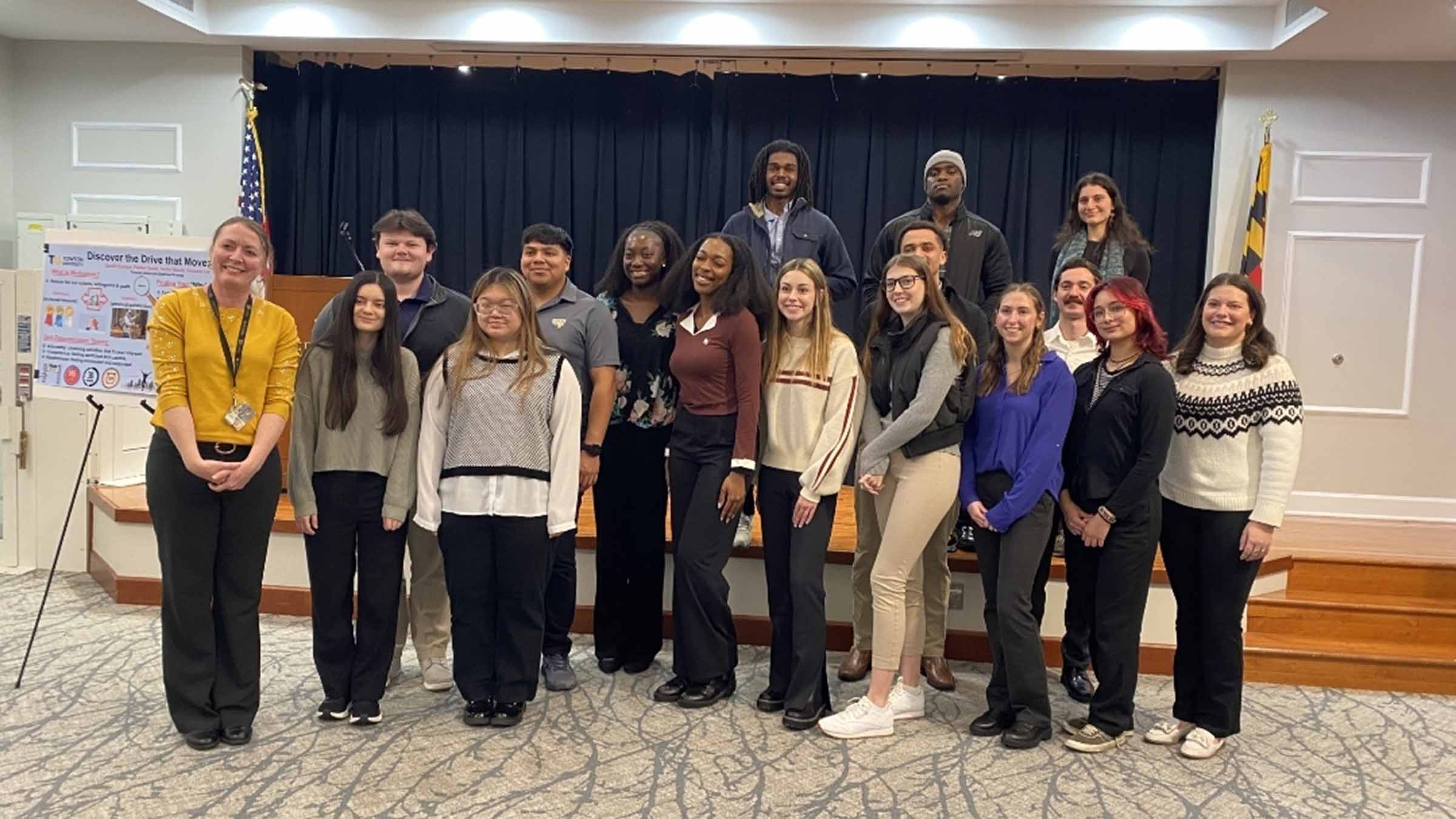
Dr. Barton's Fall 2025 class
Community outreach and experiential learning
To provide her students with experiential learning opportunities, Barton partnered with Edenwald and the Osher Lifelong Learning Institute at TU (Osher). Edenwald is a senior living facility located in Towson. Osher provides learning opportunities and access to social activities and cultural programs for adults over 50.
The culmination of the class is student-led presentations at Edenwald. Students choose a topic related to physical health and present their research at the end of the semester. The presentations educate older adults on a variety of topics vital to their health and well-being. Previous lectures have included information about cognitive health, sleep habits, motivation and exercise routines.
“Presenting at Edenwald was a good way to recall everything we learned from class and really put into perspective what it is required from cardiac medical specialists,” Romero says.
The project started as virtual presentations during the pandemic and has only grown since. It has now involved 131 students presenting 50 different health, wellness and exercise-related topics to older adults in TU’s local community.
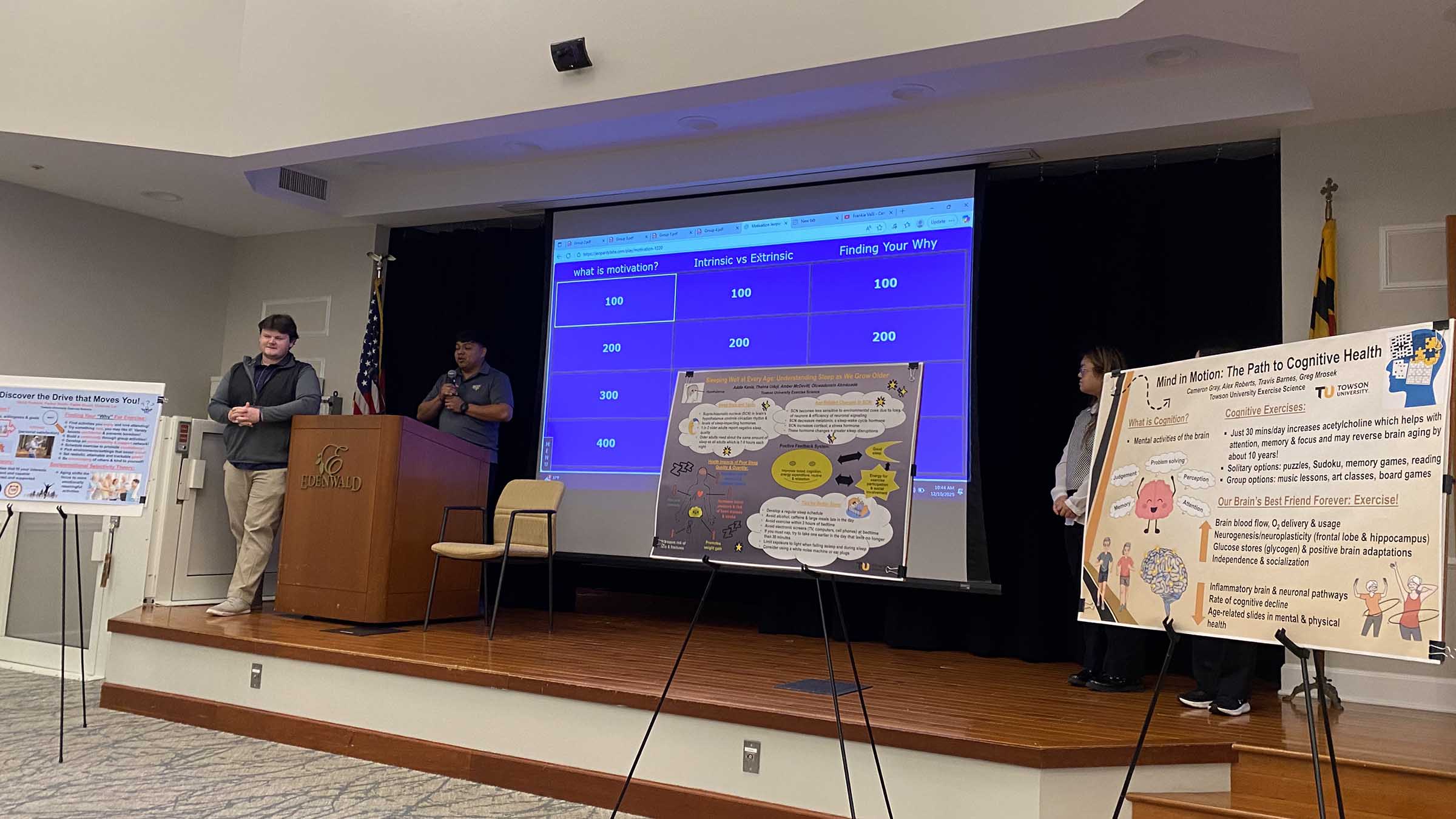
Students using Jeopardy at Edenwald to teach adults cardiovascular health
“One of the big aspects of our job as clinical exercise physiologists is to educate people on some topics that sometimes aren't the easiest things for people to understand,” Barton says. “That's why I wanted to incorporate some educational informational presentation into the course.”
Gaining valuable hands-on experience
This project gives students the opportunity to interact with people not in their generation and gain experience not available in traditional classrooms. Although many kinesiology students are interested in working with athletes, this class offers the opportunity to work with individuals from different generations and across a range of ability levels.
“There's such value in this intergenerational project,” Barton says. “My students present to older adults and reap the benefits from that experience. It's also a shared benefit [the older adults] reap from interacting with my students. It really is a win-win.”
Romero appreciates the opportunities to investigate multiple career paths.
The course exposed me to other medical careers that students can pursue after graduating from TU’s kinesiology program. I believe taking this course can distinguish students from similar undergraduate programs.
David Romero
Barton believes one of the best parts, though, is how it links students to those living around campus.
“The biggest thing about this class is the community connection that the students are making and the growth from start to finish,” Barton says. “At Towson [University], we're very rich in the community around us, and I think this is a project that's trying to tap into some of that.”
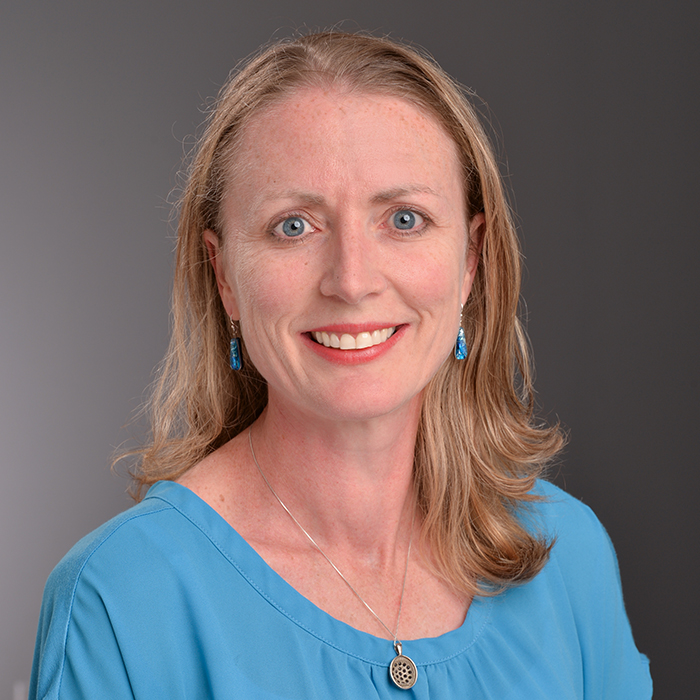
About Andrea Barton
Andrea Barton is a Clinical Associate Professor in the Department of Kinesiology. Her research focuses on physical fitness assessment of college students, undergraduate interprofessional education, effective strategies for practical instruction and strength after sixty for older adults.