Understanding realities through imagination
CLA professor Emily Margolis uses her clinical background to teach students how to play
Emily Margolis is a certified child life specialist in TU’s Department of Family Science in the College of Liberal Arts. As a clinical professor, she makes hands-on learning opportunities a key foundation of her teaching style. Margolis’ classes highlight the importance of community engagement and the use of play to communicate, educate and heal.
Margolis’s students use games and activities to facilitate connection, education, support and an opportunity for normalcy for children in hospitals. Through their work, TU students gain an understanding of the benefits of medical play and the importance of community connections.
"You can read about a topic, research and write about it, but when you go into the community, you start interacting directly with a client population," Margolis said. "You're seeing what their actual reality is. It brings ideas into much sharper focus."
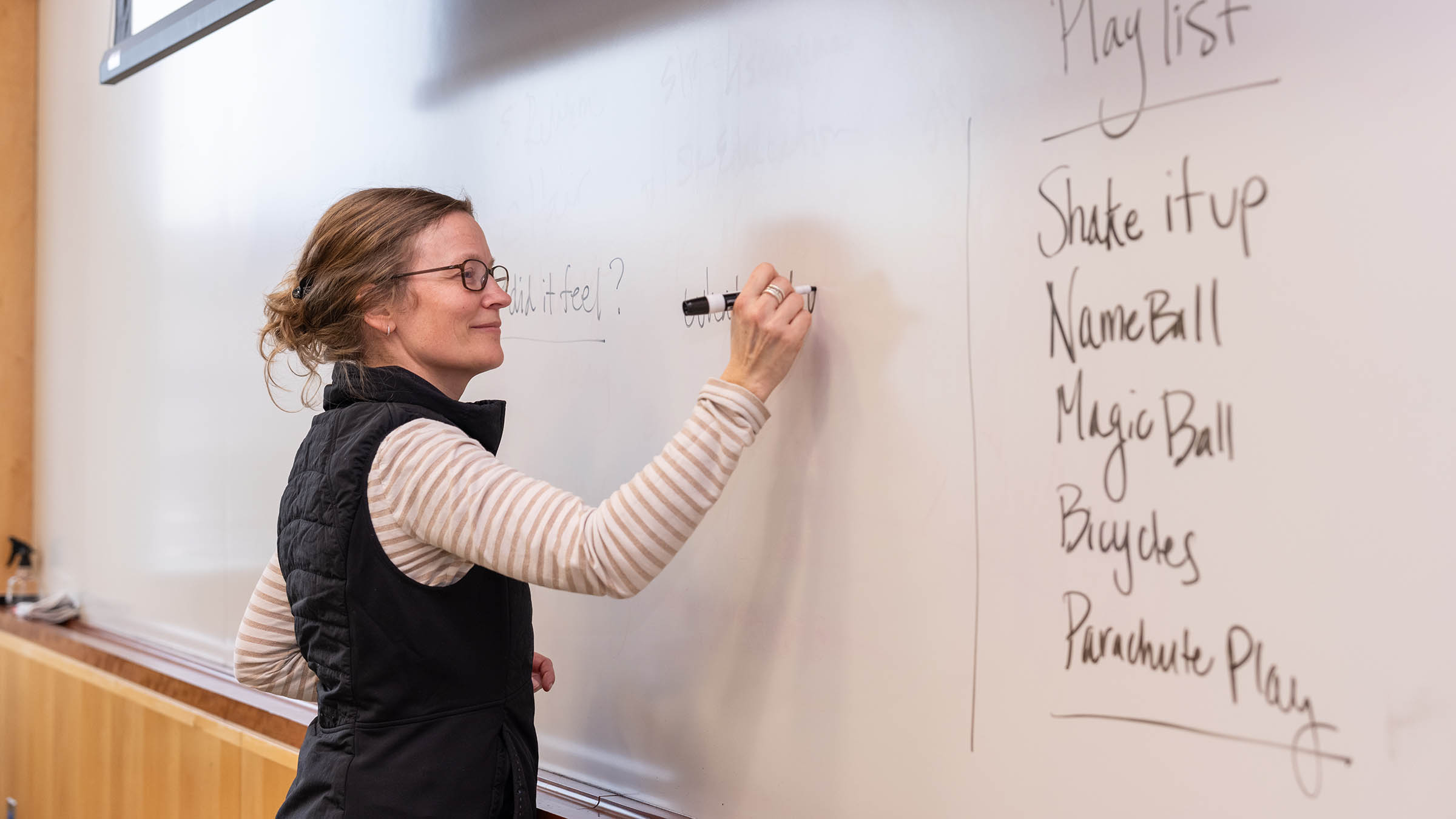
Hands-on opportunities for students
This semester, Margolis teaches multiple classes with hands-on learning experiences. The first is a service-learning course in which students volunteer at the Basic Needs Hub on campus. The HUB provides essential resources such as food, clothes and school supplies to students, staff and faculty.
Another class is FMST 603: Therapeutic Benefits of Play. This is a graduate-level course where students teach local preschoolers about regular checkups and going to the doctor. Students participate in an Animal Clinic, where they are encouraged to pretend to be nurses or doctors and give stuffed animals checkups. This gives the children a chance to learn more about the routine medical equipment they will experience during well-child checkups.
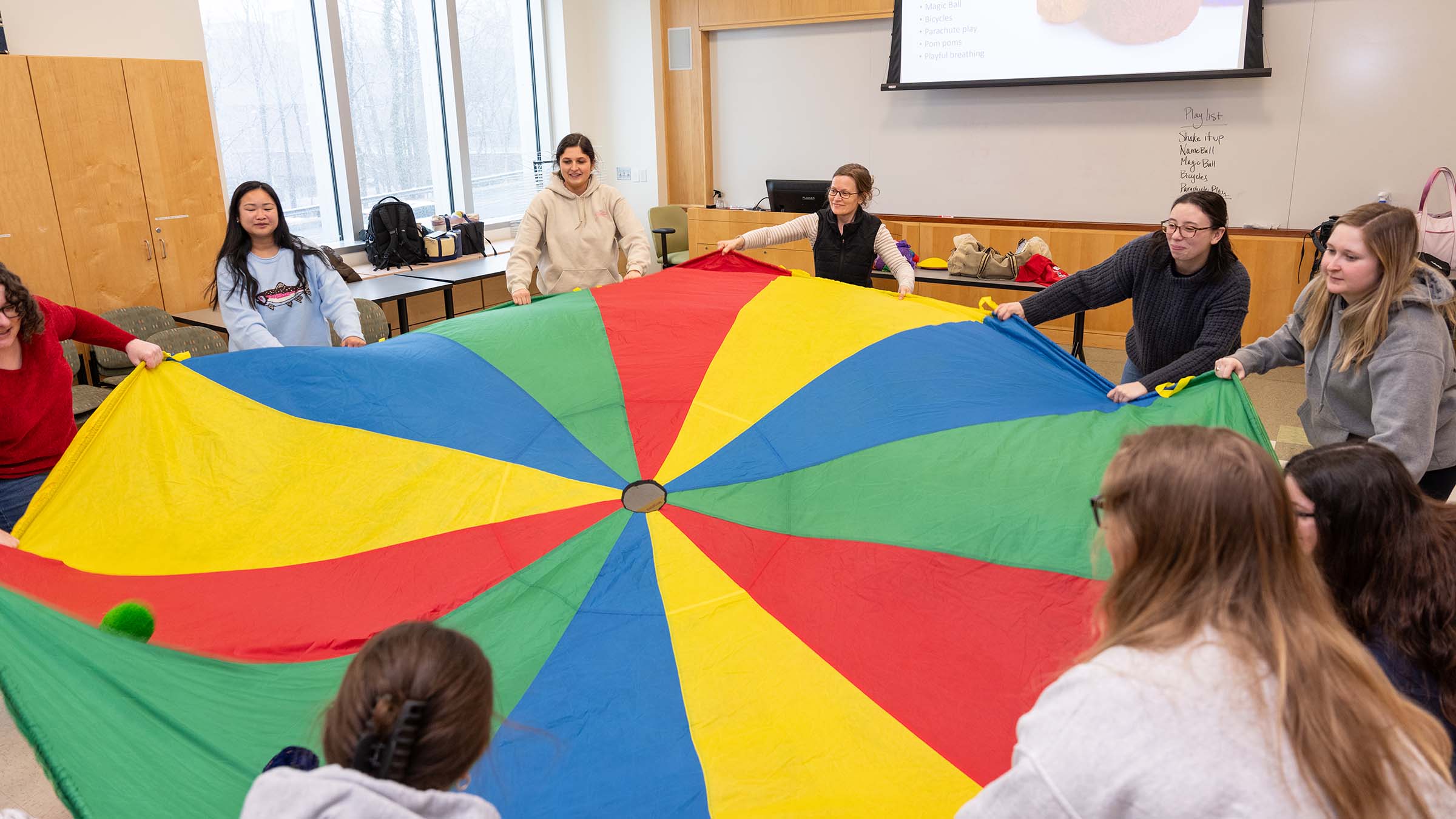
It is important to Margolis to draw on her background as a clinical professor when creating her courses.
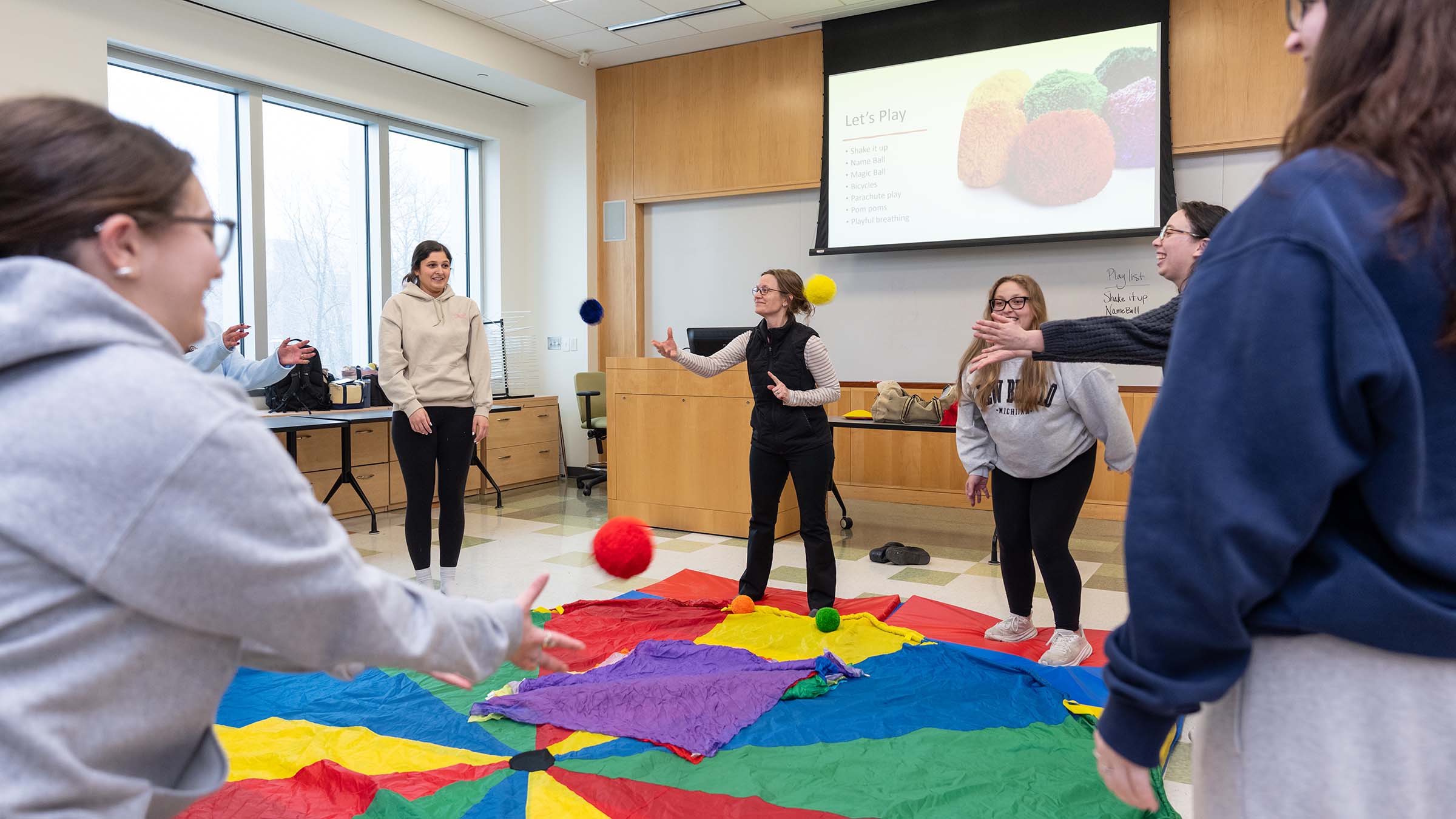
“It may seem silly to think about graduate students playing, but the truth is we’re living in a world filled with screens, and it’s important for our students to remember what play actually feels like,” Margolis says. “As a clinician, I love to share content with students, but I’m very inclined to provide hands-on ways of learning.”
Turning clinical experience into student outcomes
For Michelle Chu, a family studies graduate student, participating in the school visits made a large impact on her time at TU.
“The Animal Clinic was one of the highlights of the course and a significant influence on my decision to pursue my degree [child life, administration and family collaboration] at Towson University,” Chu says. “Even before taking this course, I saw this experience as a valuable opportunity to apply theories we are taught in child life courses to real-world interactions with children.”
Margolis believes active experiences bring the curriculum to life.
You can read about a topic, research and write about it, but when you go into the community, you start interacting directly with a client population. You're seeing what their actual reality is. It brings ideas into much sharper focus.
Emily Margolis
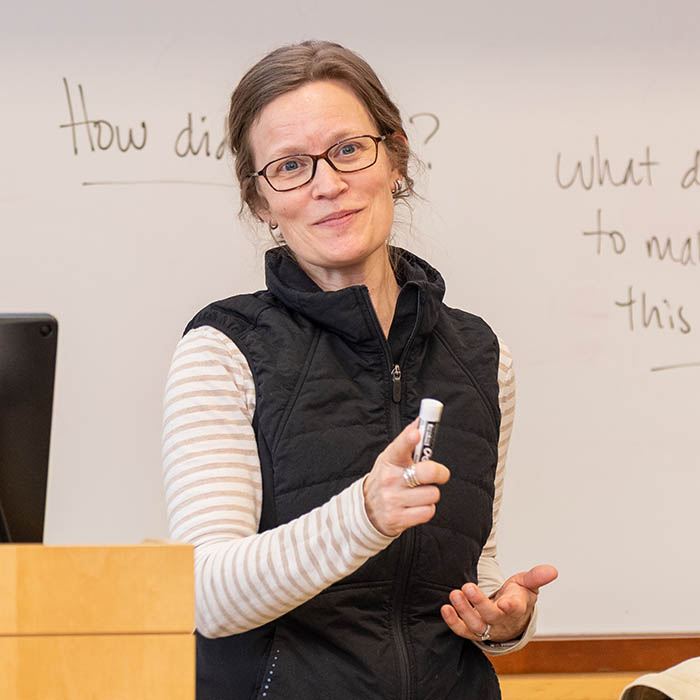
About Emily Margolis
Emily Margolis is a Clinical Associate Professor in the Department of Family Science. Her interests include the use of play to support children, the impact of trauma and health care experiences on development and bereavement care. Learn more about Emily Margolis.