Tigers share stories of identity, belonging, support
How three Tigers found their community, claimed their identities, discovered ways to thrive
Across the globe this June, millions of individuals will come together at parades, parks and advocacy events in honor of Pride Month.
The annual recognition of LGBTQIA+ culture and rights originated in 1970 to commemorate the Stonewall Uprising—a watershed moment in LGBTQIA+ activism. More than 50 years later, people continue to advocate for equal rights and recognition.
In honor of Pride Month, we spoke to three Tigers who identify as LGBTQIA+ about what Pride means to them, how they found their communities at TU and the advice they have for future generations.
James Badolato (he/they/them)
administrative assistant in University Marketing and Communication
On the meaning of Pride
Pride is often seen as a big celebration, and it absolutely is. But it’s also about taking up space, fighting against discriminatory practices and legislation and mutual aid.
I first went to a Pride event as a newly transitioning, very nervous 26-year-old trans person struggling with isolation and mental health.
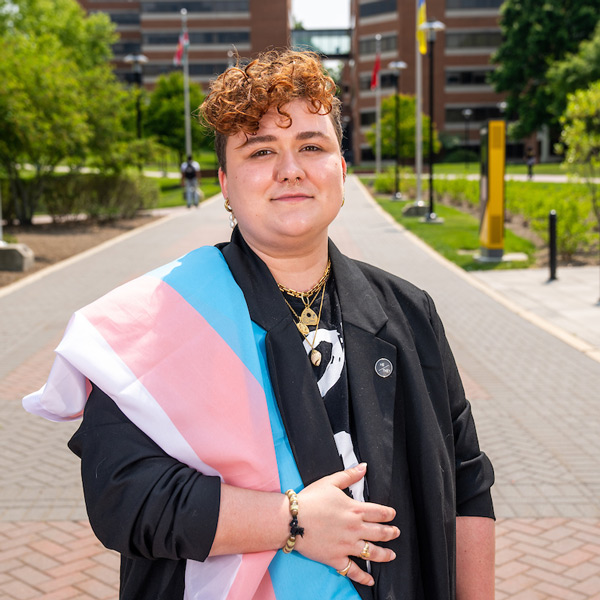
Connecting with local support organizations and meeting trans elders who had overcome so much to live into their 60s and 70s meant the world to me. It was one of the most joyful and affirming days of my life.
On claiming your identity
For most of my life it felt like I was going by a stage name. I wanted a name that felt true to who I am, but it never seemed like a possibility.
There was a genuine feeling of acceptance when I found out about TU’s chosen/preferred name, pronoun and gender identity request form. It took a couple minutes to complete, and a few days later my name was updated in TU’s email, PeopleSoft, OneCard system and more.
I also used the TU brand toolkit to add pronouns to my email signature so everyone knows how to address me. While it’s not all-encompassing, it brought tears to see my true name used in these official capacities. Being recognized for my true self gave me a dignity I had never been afforded before, and that was very powerful.
On advice for younger generations
One of the best parts of the LGBTQIA+ community is getting to have a chosen family. So many resources are available to support you. It can be scary to reach out, but it’s so worth it.
Visit the Center for Student Diversity, look into the Queer Student Union or attend an LGBTQIA+ event at TU or in the greater Baltimore area.
We have so much to offer. You’re not alone.
Kayla Lasson (she/her/hers)
junior majoring in theatre studies
On finding your community
I grew up going to a school where Pride clubs were not allowed. When I realized TU had a Queer Student Union (QSU), I immediately wanted to be involved.
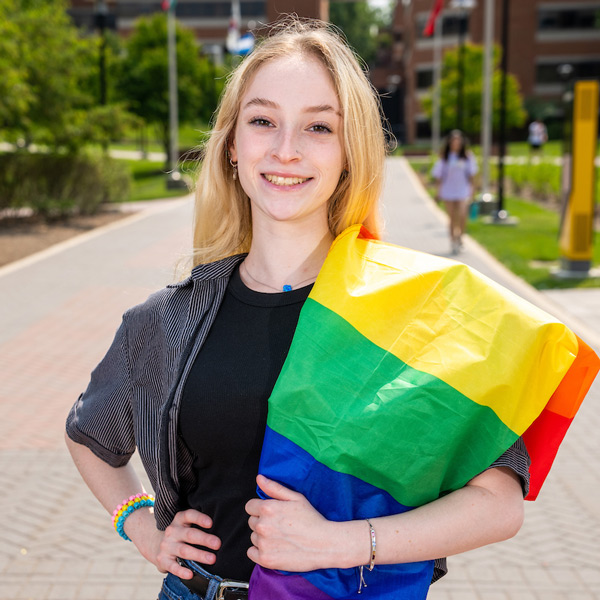
At QSU meetings and events, I feel completely comfortable and accepted. It’s exciting to know there’s this whole group of people that have lived through similar experiences.
I love the sense of safety and community it gives.
On coming out
For some people coming out is a one-time thing, but for me that wasn’t the case. I came out to my friends first then my older sister. Their support was the safety net I needed to start the conversation with my family. It was a nerve-wracking process, but it ended with incredible support from all involved. My heart goes out to anyone going through it now.
Sel Hwahng (they/them/theirs)
assistant professor of women’s and gender studies
On the connection between community and health
Humans thrive best when we have multiple forms and levels of social support. That can be within a family or in institutions like schools or places of work.
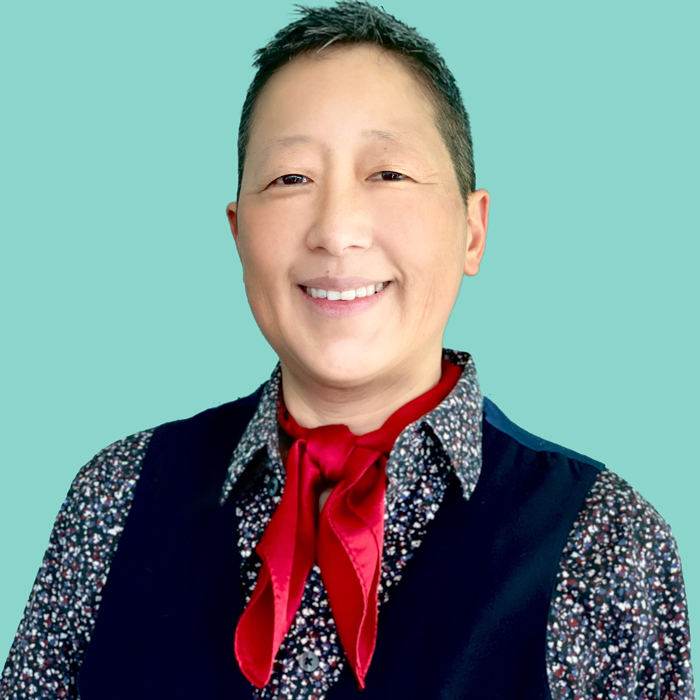
There are so many different types of communities available, from online communities to campus organizations like the Queer Student Union, In the Life, GenderBLUR and the LGBTQ+ Faculty and Staff Association.
It’s really important we find those communities for ourselves and help others access them too.
On the best way to experience Pride
As someone who has been to a lot of Pride celebrations, I think it’s best experienced when it’s a new opening for people. For those who haven’t experienced a Pride event or parade, seeing the celebration and acceptance firsthand can be really important.