



TU in the News
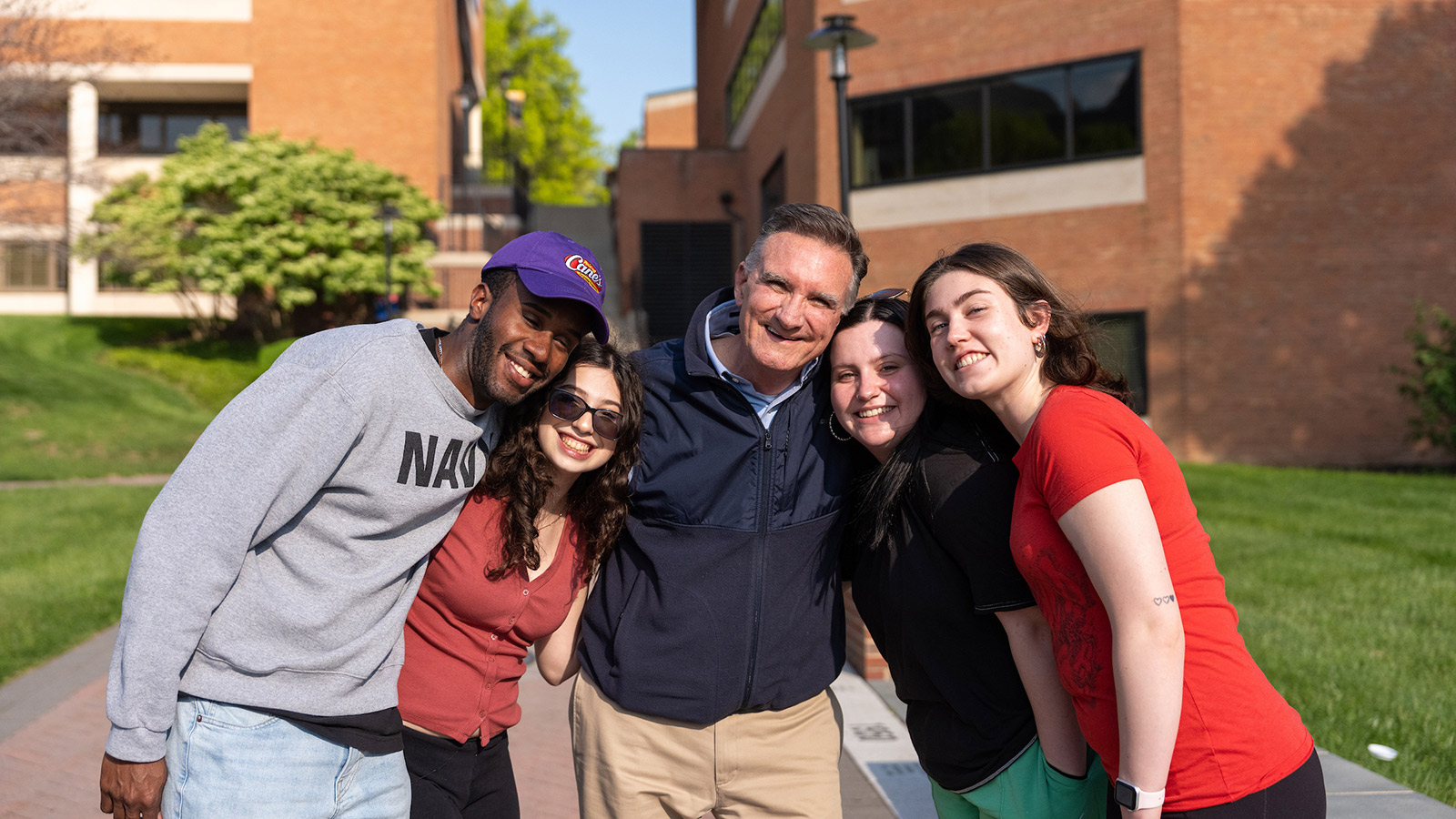
Towson University graduate turns personal tragedy into message of hope for class of
2026
WMAR
May 22, 2026
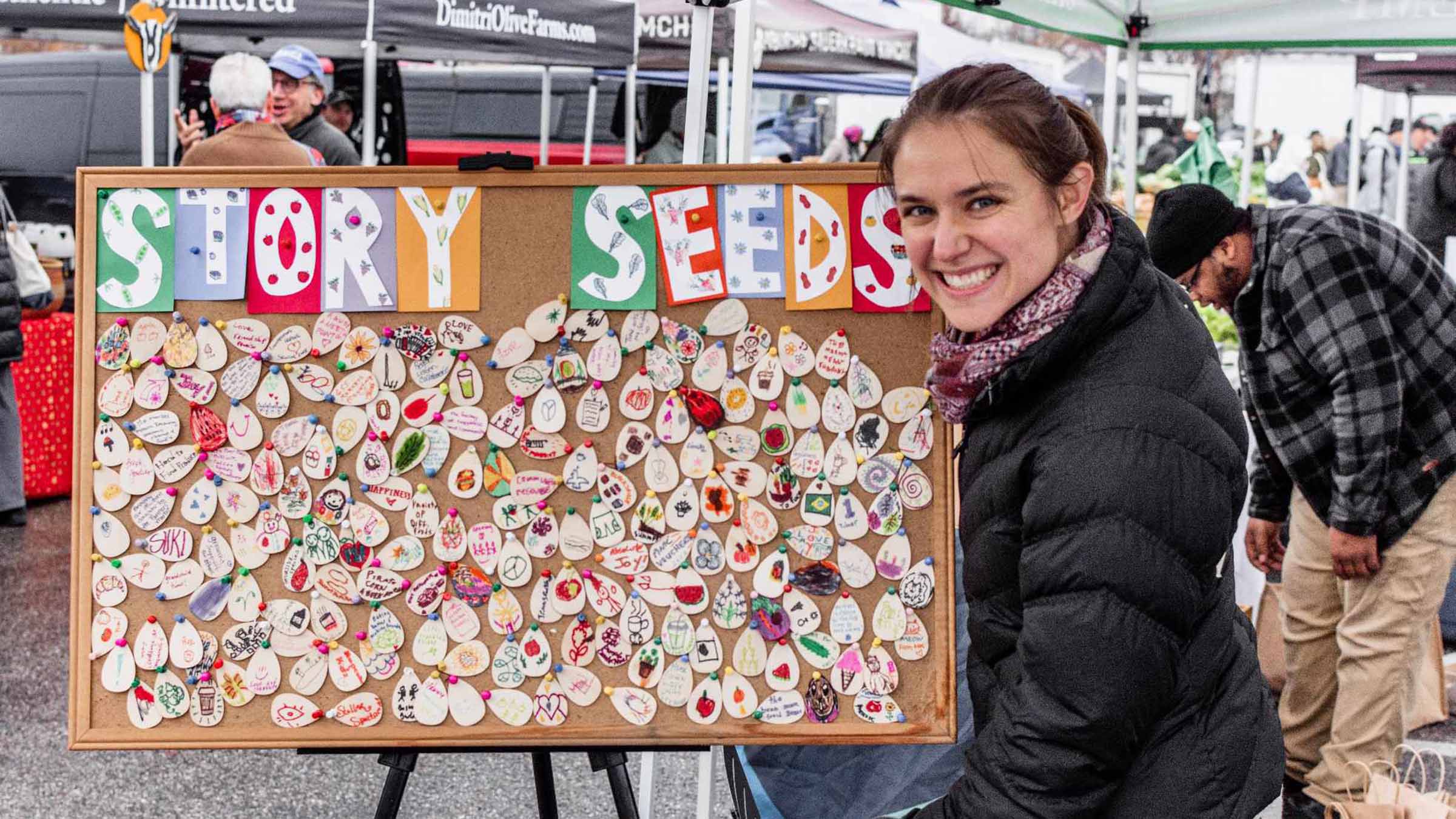
What would you eat at a summer cookout in 1776?
WBUR
May 22, 2026

Commencement Candids
Find your photos. Candid photos are taken by our university photographers and uploaded to Flickr.
News Briefs
Meet Our Tigers


Around TU Campus and Beyond
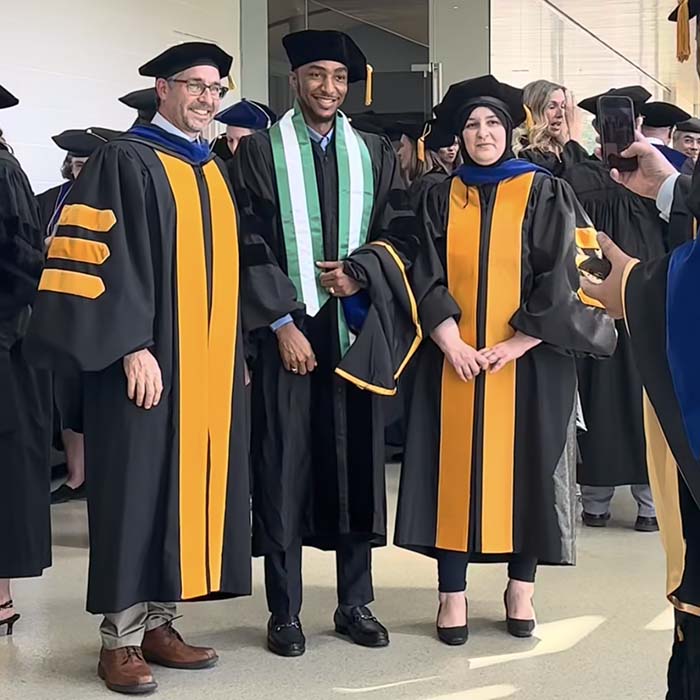
Congratulations to our newest doctors—the 54 Tigers who’ve earned their doctoral degrees! Your dedication, hard work, and commitment inspire us all. We can’t wait to see the impact you’ll make. #TUproud

Celebrating the TU graduates from the College of Health Professions and the College of Fine Arts and Communications! Your journey is just beginning — keep creating and inspiring! #TUproud.

Celebrating graduates! We're not only proud of your achievements, but of the Tigers you've become during your journey at TU. Here's to all the amazing things ahead! #TUproud

Behind every Tiger crossing the stage is a community that helped make the journey possible. 🐯💛