



TU grad talks about Olympics, athletes and mental health
After Simone Biles’ sudden withdrawal from the Olympics, TU alumna, former gymnast, mental health advocate Olivia Lubarsky '20 talks about athletes and their mental health
By Kyle Hobstetter on July 30, 2021

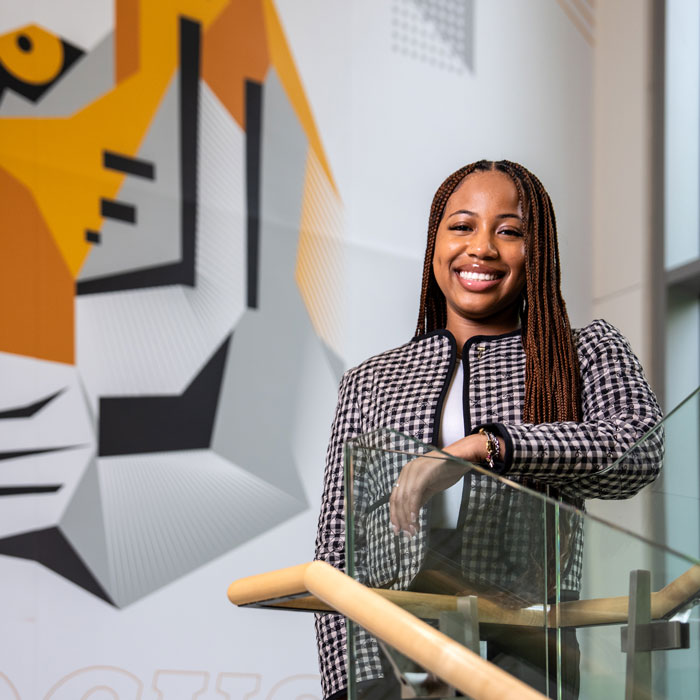
Like the rest of the world, former Towson University gymnast Olivia Lubarsky ‘20 has been glued to the 2020 Summer Olympics in Tokyo. And like the rest of the world, she was shocked to learn that defending gold medalist Simone Biles withdrew from most of her competitions.
But at the same time, she immediately suspected that it was related to Biles’ mental well-being.
“I think that every gymnast, especially those that have made it all the way to the collegiate and/or elite levels, can empathize with Simone’s situation,” Lubarsky says.
Lubarsky has dealt with her own mental health issues. During her time at Towson University, she struggled with depression and anxiety.
But after rupturing her Achilles tendon, she became aware of the glaring disconnect between the support and treatment for mental versus physical illnesses and created the Own Your Roar mental health initiative, an awareness campaign for mental health issues that affect student-athletes.
After graduating, Lubarsky moved back to her home state of California and is working as a program coordinator for the John W. Brick Mental Health Foundation. There she works to integrate salutogenic approaches, including exercise, nutrition and mind–body practices, to treat mental illness and promote mental wellness.
Lubarsky spoke with Towson University about the difficulties of being an athlete and how it affects mental health.
How do you relate to Simone's story and situation?
What is unique about gymnastics is the incredibly dangerous skills that we perform. While these skills take significant physical strength and power, they also take extreme mental strength. Just as when your physical strength sometimes gives out, your brain can become overworked, overwhelmed and exhausted.
With that said, nobody knows what it is truly like to walk in Simone Biles’ shoes. Not only does Simone have to maintain an incredible amount of focus to perform her awe-inspiring skills, but she is also managing the pressure she feels from the world, the media and herself. It is nearly impossible to train and compete in any elite sport and never encounter a mental block or frustration. When you are flying and twisting and flipping through the air at the highest caliber, like Simone, your level of concentration has to be precise and wholehearted to execute your routine safely. At the end of the day, Simone will forever be the greatest gymnast of all time, but what is most important is that she is a person before she is an athlete. Her sport is what she does; it is not all that she is.
Can you explain the "twisties" and their effect on gymnasts?
The “twisties” are honestly terrifying. Essentially, the “twisties” are what gymnasts refer to as getting lost in the air. You have absolutely no control over your body and what it does or how it falls. To say that the feeling of losing control mid-air is scary is an understatement. The fact that Simone accidentally performed a 1.5 twist on her first vault instead of her planned 2.5 twist and landed on her feet is remarkable, considering the minute margin for error on the skill and the career-ending or life-threatening injuries that could occur.
What are some misconceptions about athletes and their mental health?
The list is too long for one answer, but one paramount misconception revolves around pressure. The internal pressure that athletes place on ourselves on top of the external pressure that we feel from those around us can inflict a profound toll, which builds up over time. It is typically the reality that athletes take care of their physical health much more frequently than their mental health, but this is why it is so important to take a step back to breathe and evaluate what you are doing to rest and recover. Athletes experience enhanced risks that can exacerbate mental health issues and result in injuries. When athletes are treated for physical injuries, doctors and trainers may solely implement treatment plans that concern the physical symptoms but miss the mind–body dualism that exists.
What advice do you have for athletes who are dealing mental health issues and may be a little nervous about being open about them?
My advice for athletes is to allow yourself to feel and validate how you are feeling, to focus on the things that you can control and to know that it is okay to not be okay. Just as you may rely on athletic tape to give your ankle more support after a long week of practice, you deserve the extra support, rest and recovery for your mind too. Taking one step forward, one day at a time really does help too.
What is something that the public needs to remember when thinking about athletes and mental health?
It is remarkable to see the growth that we have made with the topic of mental health. When I was growing up, I idolized the athletes that competed through serious injuries (think Kerri Strug’s iconic vault at the 1996 Olympics). For good reason, that moment doesn’t feel as inspiring after Simone Biles set a new example in prioritizing her health and safety above an Olympic medal—and this is something to be appreciated and applauded. The definition of a champion is growing.
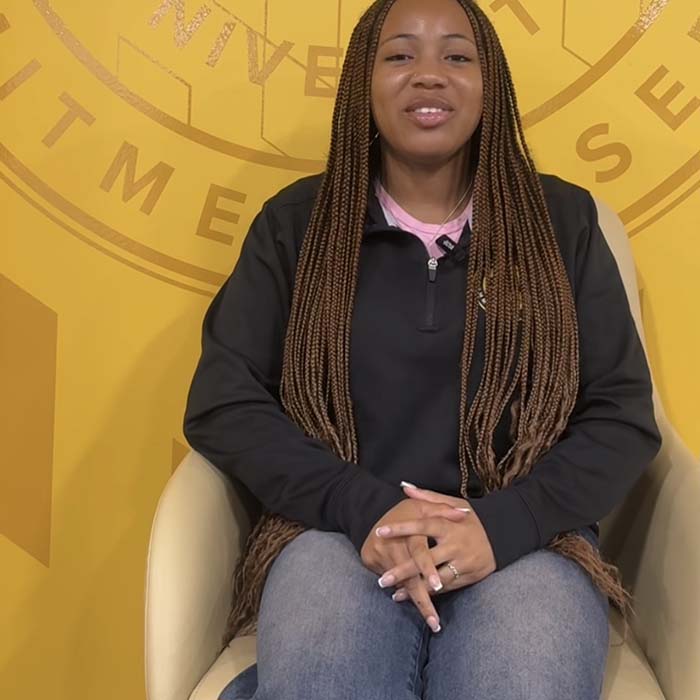
Olivia Lubarsky's TedxTalk 'Perfectionism Paralyzes Potential'