Annual Report 2025-2026
From the Dean
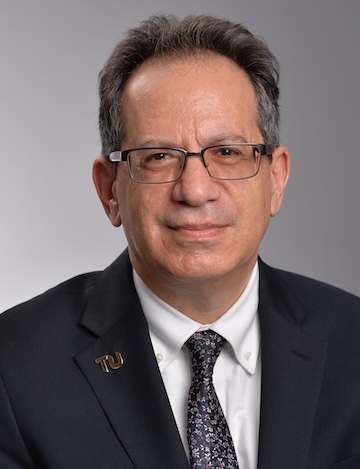
During the 2025-2026 academic year, community and identity were the beacons that guided the more than forty majors, minors, and graduate programs offered in the College of Liberal Arts as students, faculty and staff worked collaboratively. Collectively, learning, scholarship, and engagement provided the structure and support to center student and faculty success, built collaborations across disciplines, and engaged alumni and the communities we serve.
CLA has an earned reputation for modeling academic excellence through curiosity, creativity, and empathy for differing values and positions. The College of Liberal Arts is the place where the courage to ask big questions leads to the ingenuity of providing equally big answers to the most important challenges of what it means to be human in the 21st century. The result is the foundation of civil discourse, civic engagement, and technological innovation—all key components of a democratic society.
Throughout the year, the College hosted 112 events, including the 25th anniversary of the Deaf Studies Program, the 20th anniversary of the Department of Family Science, and a series of events commemorating the Revolution at 250. Democracy Today, part of the Dean’s Initiatives, brought to campus two speakers: Sami Sage who spoke about her book, Democracy in Retrograde: How to Make Changes Big and Small in Our Country and Our Lives, and Osita Nwanevu who led a conversation about his book, The Right of the People: Democracy and the Case for a New American Founding.
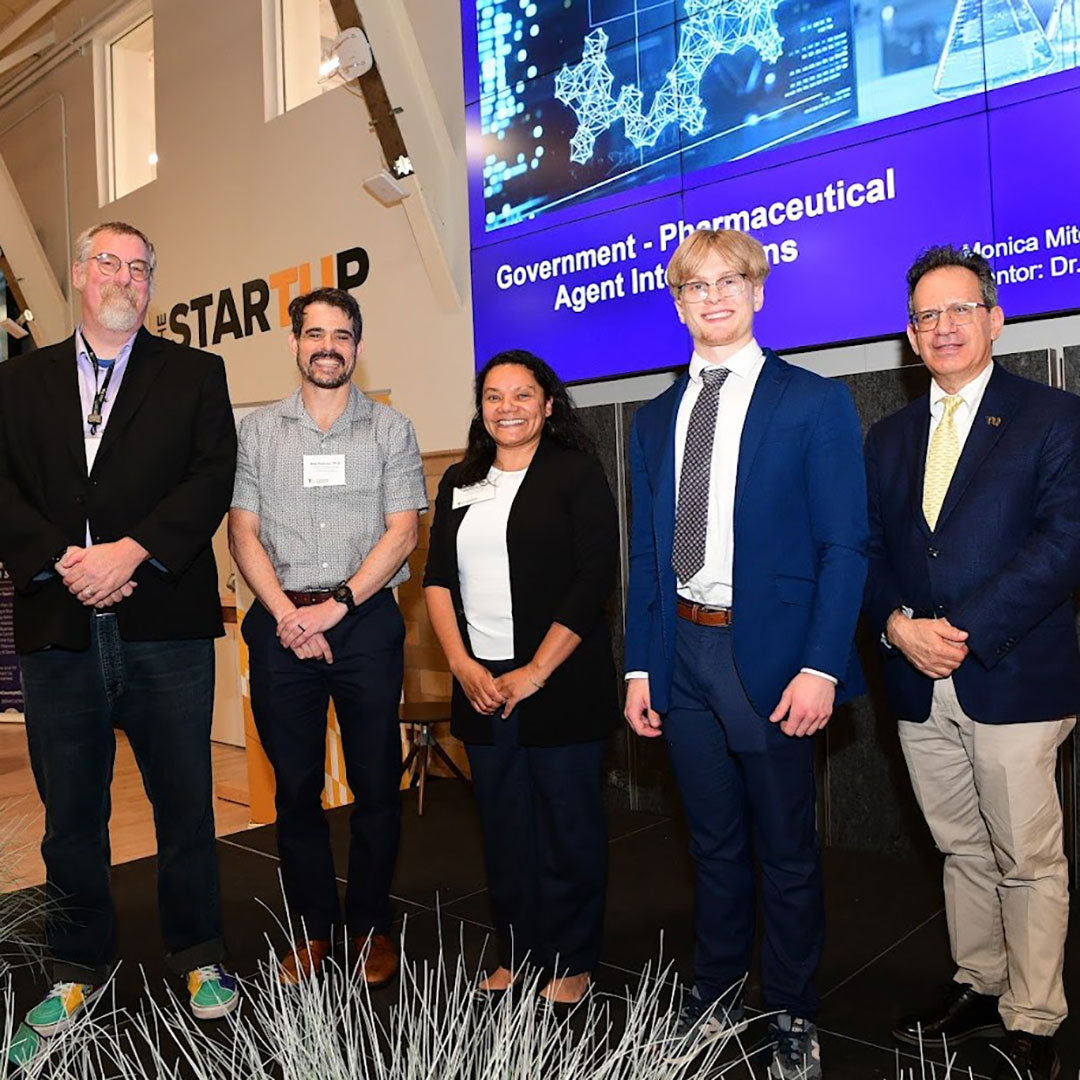
Undergraduate research opportunities continue to draw student interest. The second annual College of Liberal Arts Student Scholarship and Inquiry Conference (CLASSIC) featured four undergraduate panelists and 34 undergraduate posters discussing Beliefs and Perspectives. This was a fifty percent increase from last year. The inaugural CLA AI for Humanity Challenge allowed students to connect what they learned in the classroom with the workplace as they presented solutions to a real-world AI problem provided by local companies. The inaugural Sabbatical Showcase and Distinguished Faculty and Staff Awards brought together thirteen faculty members across seven departments and offered new networking opportunities. Furthermore, to address the most pressing needs of the 21st century, faculty created new programs on climate change, geographic information sciences, logical analysis and scientific thinking, and communication.
Faculty excellence provides models throughout the College and beyond. Two highlights are Dr. Jeff Kukucka, Professor of Psychology, who received the prestigious USM Board of Regents Award for Excellence in Public Service, and Dr. Nicole Fabricant, who was awarded the Wilson H. Elkins Traditional Professorship to support her project, “Derailed: The Movement to Nationalize U.S. Rail and the No More Sacrifice Zones Regional Colloquium.”
External funding is critical to research and co-curricular activities in the College. This past year saw a significant increase in both philanthropic gifts and grant activity. New gifts for faculty research, the AI for Humanity Challenge, and a new digital lab (aptly named Teaching, Research, and Innovation Lab—Trail) were part of a 75% increase in fundraising and topped one million dollars. Grant proposal submission increased by 60% and helped to support research and community projects in archaeology and historic preservation, foster care, voting equity and political participation, environmental justice, homeland security, and autism studies.
As the AY 26-27 begins, the College is well positioned to build upon existing and new initiatives that include the expansion of graduate programming, advancement in areas of digital knowledge (including AI), and reviewing and revising existing programs. Your enduring support helps to make CLA a vibrant and forward-thinking space for learning, scholarship, and engagement for the public good in the Baltimore region, the state of Maryland and beyond.