BRIDGE Lab
Building Rehabilitation Implementation through Dissemination, Guidance and Evidence (BRIDGE). The BRIDGE Lab’s work is driven by the belief that evidence-based rehabilitation is essential to improving occupational performance, participation and overall quality of life after stroke.
At the BRIDGE Lab we envision a rehabilitation world in which healthcare professionals have the knowledge, resources and strategies to provide high-quality, evidence-based care to survivors of stroke.
The BRIDGE Lab’s purpose is to increase the consistent use of evidence-based interventions in stroke rehabilitation. We aim to close the gap between research and clinical practice by partnering with clinicians, community partners and institutions to ensure stroke survivors receive effective care.
What We Do
To advance stroke rehabilitation, our team is committed to the advancement of implementation of science research in the health professions and equipping healthcare organizations to translate stroke research into clinical practice.
Conducting Implementation Science Research
We study implementation science strategies that enhance the adoption, integration and sustainability of evidence-based assessments and interventions within real-world stroke rehabilitation settings.
Educating Clinicians and Stakeholders
We train rehabilitation professionals, healthcare organizations and community partners on the development and delivery of site-specific implementation strategies that facilitate the use of evidence-based interventions.
Lab Leadership
Our multidisciplinary team comprises clinicians, faculty, researchers, students and community partners who work collaboratively to advance implementation science in stroke rehabilitation. We have the capacity to conduct diverse implementation research methods, from feasibility and pilot studies to multi-site implementation trials. Towson University’s internal grant mechanisms have supported our work. We continue to pursue external funding to sustain and expand our impact.
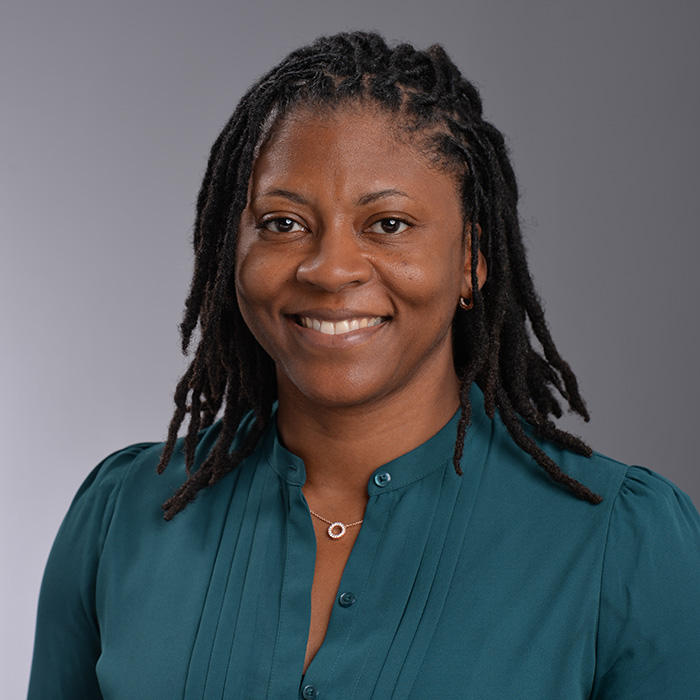
Teresa M. Green, PhD, OTR/L, CSRS, CBIS, is the founder and principal investigator of the BRIDGE lab and an assistant professor in the Department of Occupational Therapy and Occupational Science. She brings more than 17 years of clinical experience working with stroke survivors across the continuum of care, including acute care, inpatient rehabilitation, outpatient rehabilitation and community-based practice. As a Certified Stroke Rehabilitation Specialist (CSRS) and Certified Brain Injury Specialist (CBIS), Dr. Green is dedicated to advancing evidence-based neurorehabilitation and improving meaningful outcomes for individuals living with the effects of stroke and other neurological conditions.
Dr. Green’s research program focuses on upper extremity recovery following stroke, with particular emphasis on action simulation interventions, including mental practice, action observation, virtual reality and task-specific training. She is particularly interested in implementation science and identifying strategies to translate evidence-based rehabilitation interventions into routine occupational therapy practice.
Drawing from her extensive clinical experience and strong partnerships with rehabilitation hospitals, clinicians and stroke survivors, Dr. Green conducts research that is clinically relevant, stakeholder-informed, and designed to address real-world rehabilitation challenges. Through her scholarship, she seeks to advance occupational therapy practice, support evidence-based decision-making and improve the quality of life of individuals affected by stroke.
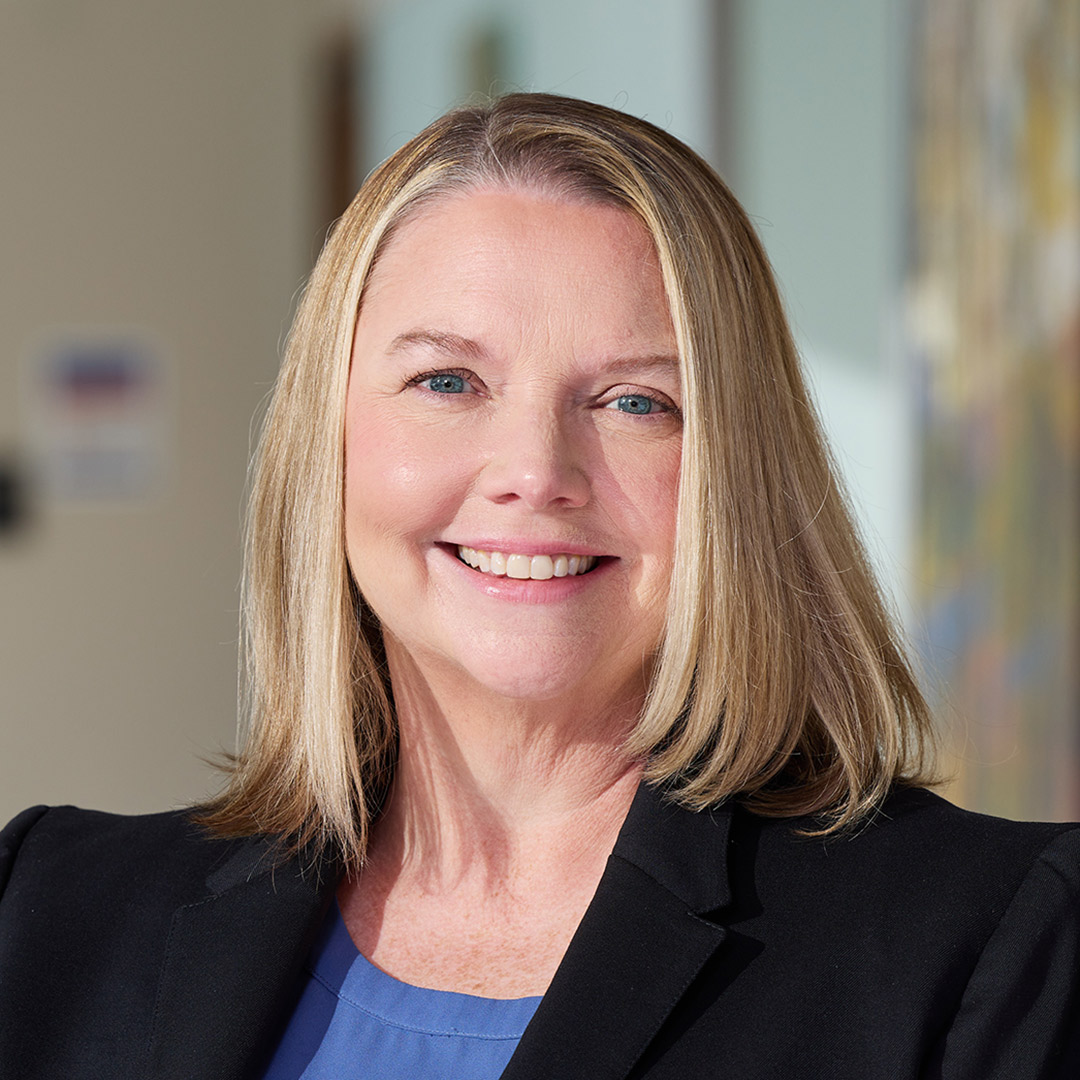
Nicole (Niki) Fromm, PsyD, is director of Neuropsychology and Rehabilitation Psychology Services at Adventist HealthCare Rehabilitation and director of Research for Post-Acute Care Services. She specializes in acquired brain injury and neurodegenerative disorders, providing inpatient and outpatient neuropsychological care across the rehabilitation continuum, including concussion services and comprehensive evaluations.
Dr. Fromm completed her doctoral training at Loyola University Maryland, followed by an APA-accredited internship and a two-year fellowship in rehabilitation neuropsychology through the University of Virginia Medical Center and Woodrow Wilson Rehabilitation Center. Prior to Adventist HealthCare, she led inpatient neuropsychology services at Baylor Institute for Rehabilitation, where she also conducted outpatient evaluations, supervised trainees and served as principal investigator on research examining neurocognitive recovery in West Nile Virus.
She has been involved in interdisciplinary studies in stroke, amputee outcomes and patient engagement in physical therapy in partnership with a service-trained facility dog (PERU study), as well as serving as a sub-investigator on the NIH-sponsored RECOVER NEURO trial focused on cognitive outcomes in long COVID. She actively advances clinician-driven research initiatives and integrates evidence-based practice into rehabilitation care.
Research Team

Anrolaoluwa Oluwole is a sophomore at Towson University, majoring in exercise science. She is currently involved in research with Professor Green, where she contributes to projects focused on advancing the understanding of stroke and its impact on patient outcomes. Additionally, she is a part of Towson University's Summer Undergraduate Research Institute (SURI) program. Her academic interests include rehabilitation medicine, physical medicine and improving the quality of life for individuals recovering. Through her research experience, she hopes to develop the skills necessary for a future career in medicine and combining scientific inquiry with patient care.