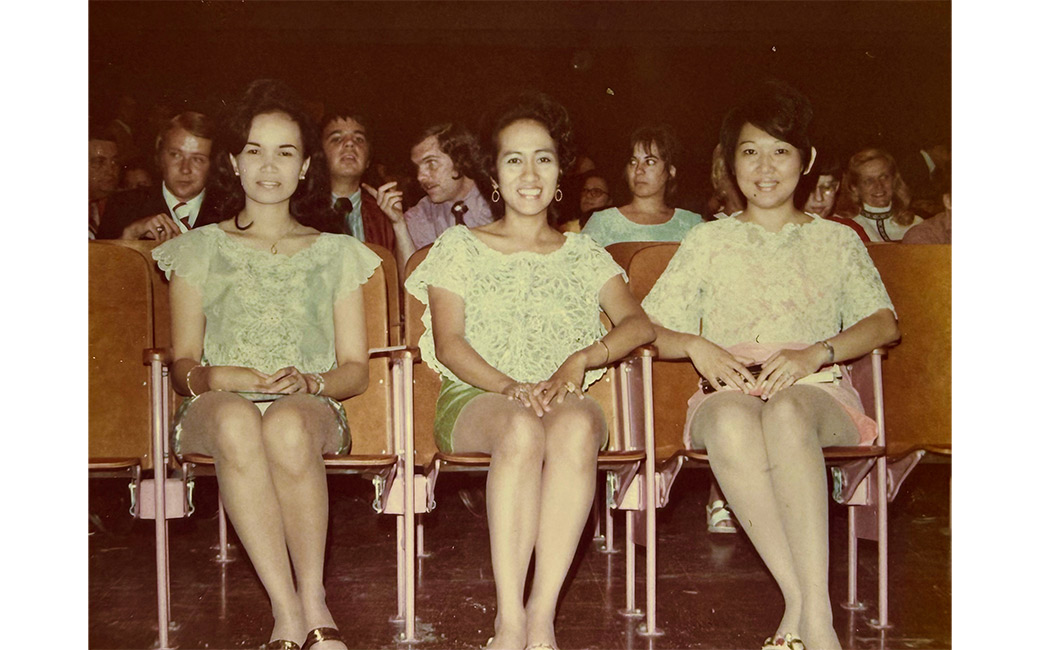
Katipunan: The Filipino-American Association of Maryland
By Theresa Sotto
October 2026
In 1969, Dr. Raymundo Magno and other Filipinos who recently immigrated to the U.S. gathered at his house in Towson to share ideas for bringing together the Filipino community in the greater Baltimore area. This was the first meeting of Katipunan: The Filipino-American Association of Maryland.
Named after the revolutionary group that formed in 1892 to resist Spanish colonial rule in the Philippines, Katipunan was founded by a roomful of Filipinos, bonded by pride in their country and a desire to build community while navigating their new lives in Maryland.
For the next six decades, Katipunan would bring thousands of Filipino community members together during holiday celebrations, annual festivals, formal dance events and sports tournaments. These events catalyzed enduring friendships, increased awareness of Filipino culture among U.S-born children and strengthened a community that shared cultural traditions, spoke common languages and experienced the challenges of leaving their homelands. Katipunan would become the longest-running Filipino-American association in the Greater Baltimore area.
Growing up in Baltimore, I recall attending dozens of Katipunan events in the 1980s and enjoying platefuls of Filipino food while watching my parents’ generation proudly share artistic and cultural traditions and model the importance of community-building with the next generation.
Putting Down Roots in Maryland
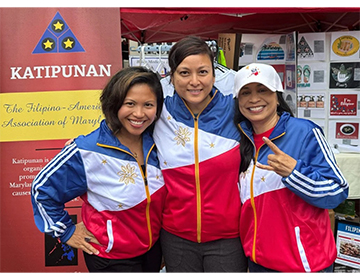
Most Filipinos that started Katipunan arrived in Maryland in the late 60s or early 70s, part of an influx of immigrants who moved to the U.S. following the passing of the 1965 Immigration and Nationality Act. Signed by President Lyndon B. Johnson, the act shifted immigration policy away from a practice of fulfilling national-origin quotas from specific European countries and toward a pathway for skilled workers from many countries to obtain visas.
Raymundo Magno moved to Maryland for a residency at St. Joseph Medical Center, where he met his future wife Maria Burce. Maria, who immigrated to the United States in 1958 at the age of 16, became the first Filipino nursing student at the hospital. Magno later landed a fellowship at Johns Hopkins, and then he became an internist and practiced family medicine in Dundalk, where he provided care to three generations of patients.
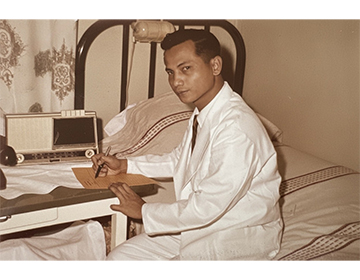
According to his daughter, Dr. Rebecca Magno, “He grew up very, very poor. He said he weighed 89 pounds when he came here, and he smoked because he never had any money to buy lunch.” She added, “It really is a true rags to riches story.” Rebecca described her father as thoughtful, reserved, and very intelligent. “He just had a quiet confidence,” she said. “I think people trusted him to keep calm, do the right thing.” These qualities enabled Raymundo to become one of the founders of Katipunan and the organization’s first president.
Linda Jacobo, my aunt and a member of Katipunan since the early 1970s, explained that the founding officers “wanted to have an organization to unite us, to get us together, and to be known to the Baltimore community.” She explained that the organization helped recent immigrants adjust to their life in the United States.
Jacobo moved to Maryland in 1970 and was introduced to Katipunan by my mother Myrna Sotto, who was Jacobo’s sister-in-law. My mother was a pianist who studied at Peabody Institute, and she had immigrated to the U.S. a few years before. During early gatherings of Katipunan members, my mother played the piano while a few friends sang together. “Filipinos love to sing,” Jacobo said. “We would get together at my place, sing, think of something to celebrate just to be together and not be homesick for our native land.”
Over the years, various singing groups formed, ranging from a teen choir to Christmas carolers to an ensemble of lolos (grandfathers) and lolas (grandmothers). Most of these groups were led by my ninang (godmother), pianist Carmencita Kenney. Dedicated to volunteering her musical talents, Kenney directed, accompanied and arranged music for several choirs from the late 1970s until she passed in 2023.
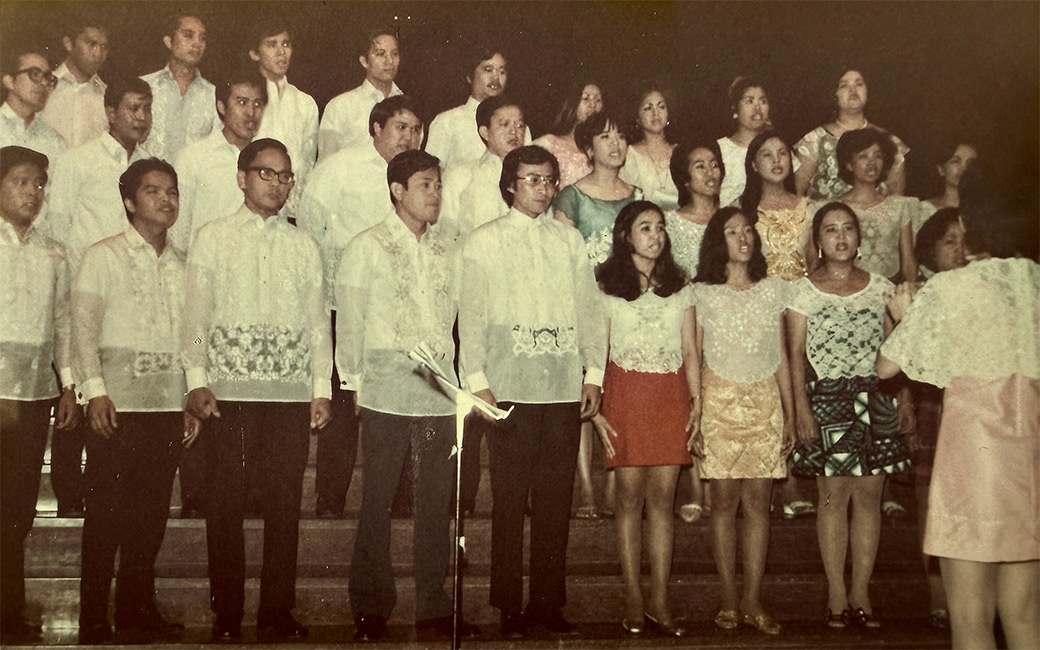
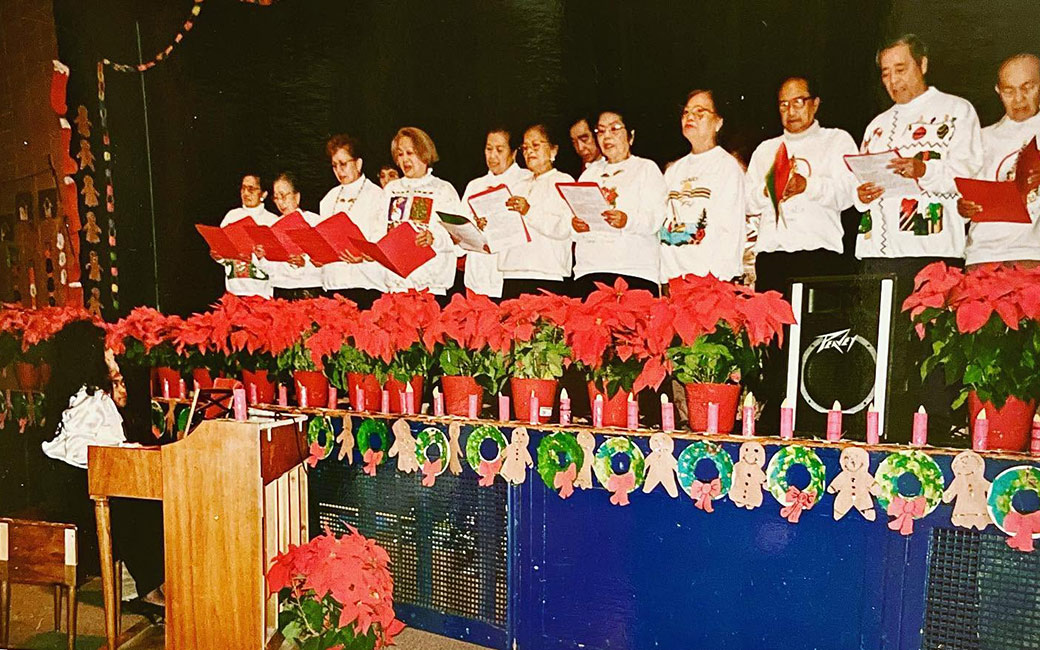
Both Linda and her husband Proceso Jacobo (who I know as my Tito Ching) were active with Katipunan for several decades. Proceso provided support for musical aspects of events, and Linda served as secretary in Katipunan’s early days and then treasurer, a role she held for 17 years. One of the activities that she most enjoyed was teaching Tagalog. She had as many as a dozen students at one time, some of whom were white American spouses of Filipinos, others were Filipinos born in the U.S.
Rebecca estimates that one hundred Filipino families in Maryland came together during Katipunan’s heyday in the 1970s and 1980s. “It was a unique time because you had this large group of young Filipino immigrants who were starting their families,” Magno said. “They were putting down roots and raising their families all at the same time.”
Gathering in Community
Magno recalls weekends filled with community gatherings, such as duckpin bowling on Sundays with Filipinos packing the Joppa Fairlanes, a then-popular bowling alley (closed in 1998). She remembers those years as fun-filled, packed with many activities and events with people who became lifelong friends. “I hung out with them all the time. Some of them I went to school with,” she said. “When you know somebody your whole life, it's different than meeting a new friend. There's just something about it that makes you feel comfortable.”
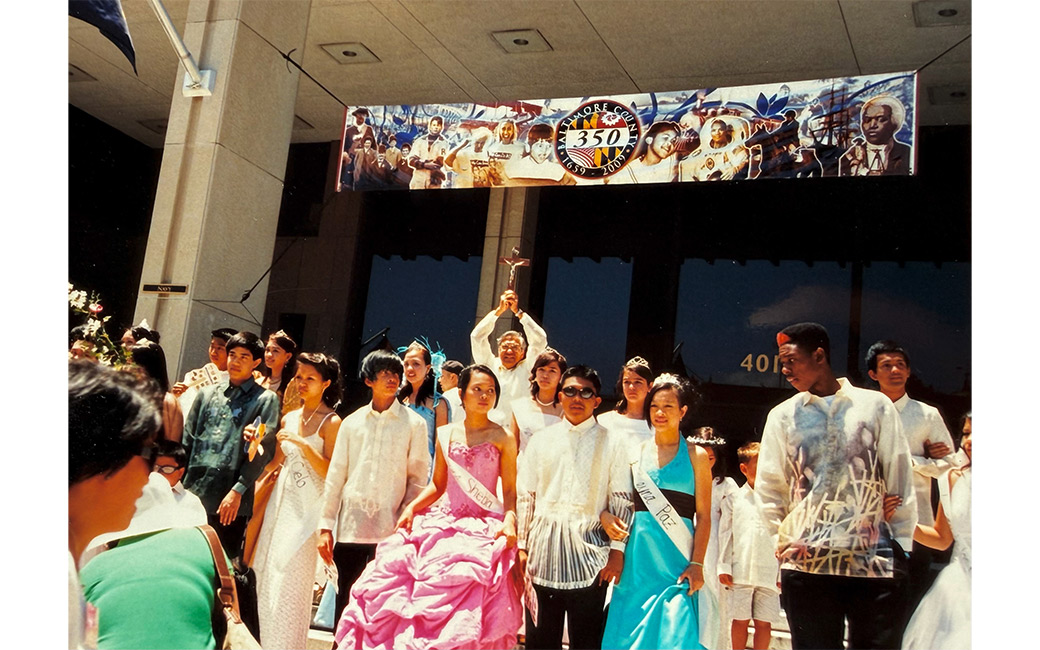
The event that stands out most to many Baltimore-based Filipinos—including me, Rebecca, and Linda Jacobo—was the annual Filipino Festival, which was held in June. Initially, in the early 1980s, the festival was held at Hopkins Plaza in downtown Baltimore, and a few years later, organizers moved it a few blocks northeast to the War Memorial Plaza. The event consisted of booths of food and craft vendors and a day of performances, including singing, cultural dances and the Santacruzan, a traditional pageant and procession that honors biblical figures and symbols in the Catholic tradition.
In the 1990s, the festival began taking place at the Courthouse Plaza in Towson, which is where I recall my father, Albert Sotto, selling barbecue chicken he grilled over a huge pit of charcoal. I remember sitting in a booth in the summer heat, helping my mom sell books about the Philippines, home decor made of capiz shells and hand-carved wood, and yellow t-shirts emblazoned with the words "People Power," which celebrated the 1986 overthrow of the Ferdinand Marcos dictatorship in the Philippines.
Over the years, the crowds at the Filipino Festival grew larger, drawing people from neighboring counties and states. In the mid-2010s, the Timonium Fairgrounds became the festival’s location for about a decade.
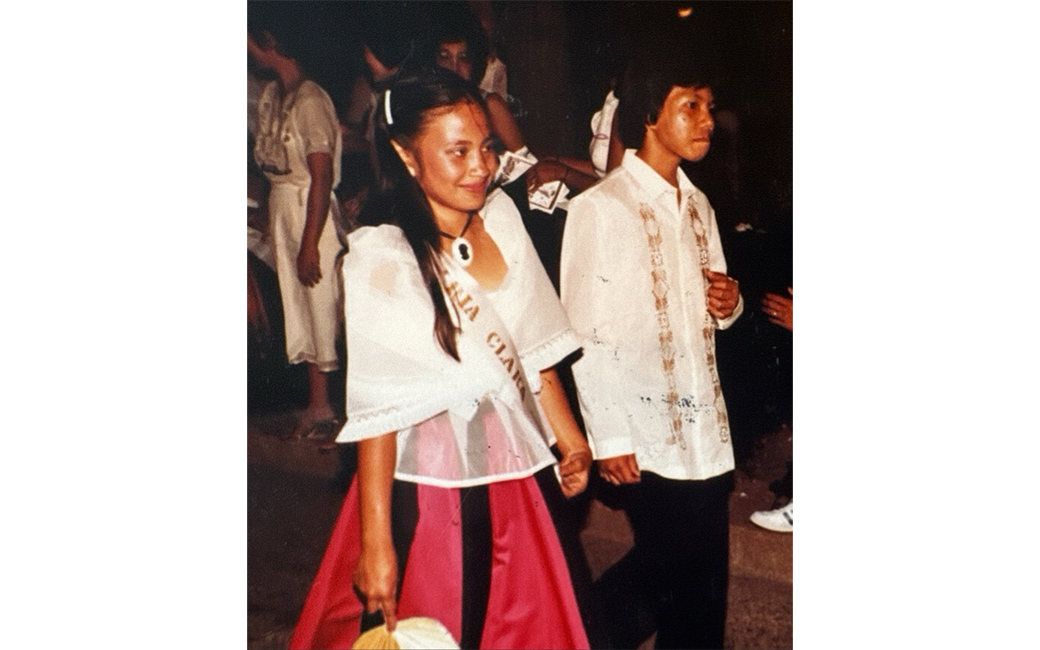
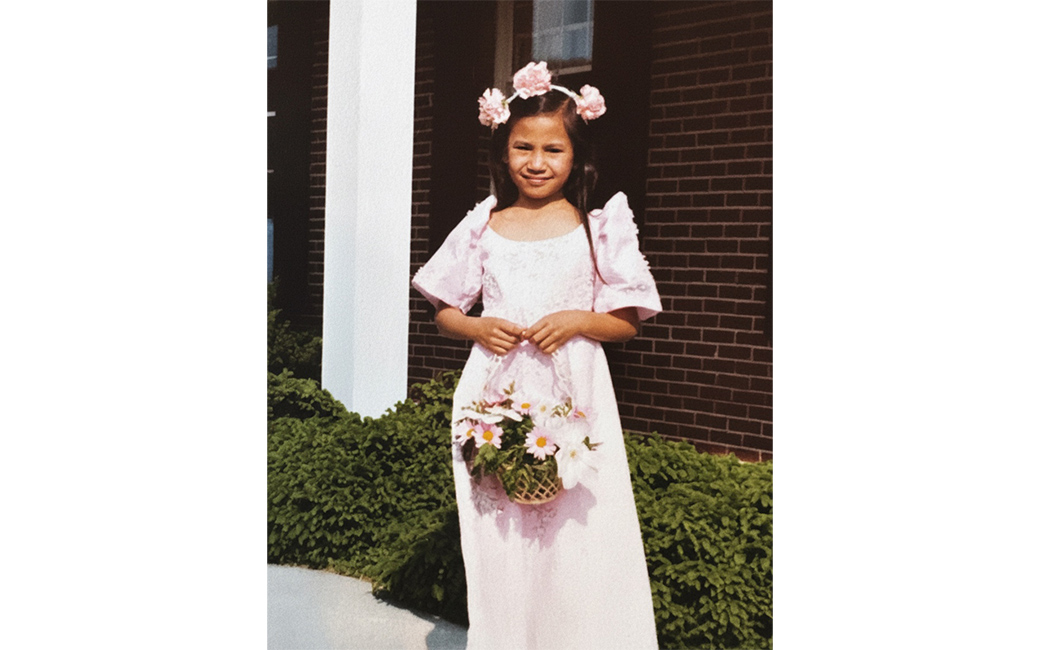
As a child, Magno participated in the Santacruzan every year, wearing traditional outfits such as Maria Clara gowns with blouses traditionally made of piña (fabric from pineapple fibers) and dresses with “butterfly sleeves,” which are stiff, oversized sleeves with flattened sides. “I remember it would be sweltering, and I'd be sweating in this ridiculously itchy costume,” Magno recalled.
One particular year stands out in her memory. “I was wearing a pink butterfly sleeve dress that had a lot of beading. They would partner you with someone, and I got to partner just randomly with the guy that I was crushing on. And I remember thinking: this is the best Filipino festival ever!”
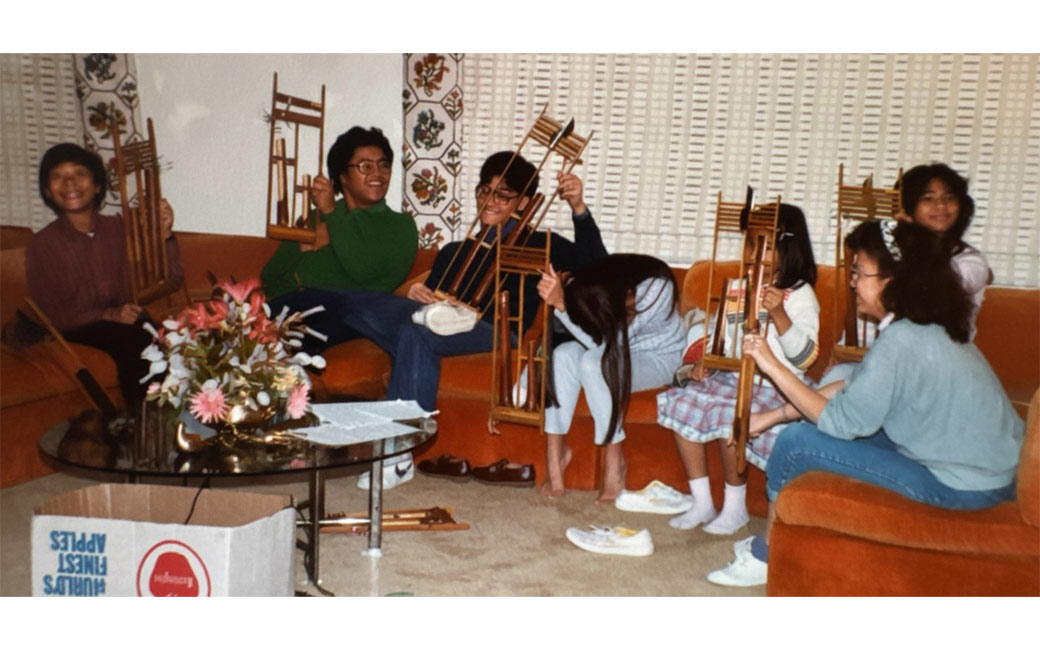
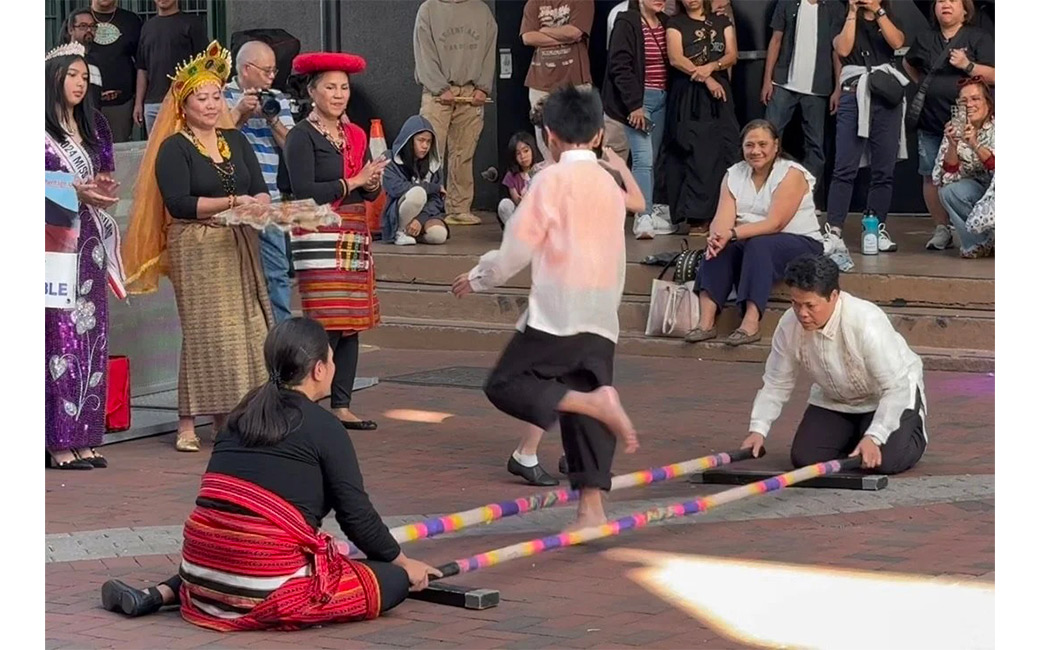
In preparation for festivals, Filipino youth would spend time together, learning how to play an instrument called an angklung (made from bamboo) and cultural dances. In one dance, called the Tinikling, two people on either end of two long bamboo sticks rhythmically clap together the sticks while dancers step over and between them, gracefully avoiding getting their feet ensnared. Magno reminisces about showing up to a friend’s house on any given weekend, practicing the Tinikling, and then going to Pizza Hut.
She said, “I don't think I realized the impact that it had on me at the time. It was just something that we did when I was a kid. Maybe other kids were playing baseball with a travel team or something that takes up all your time. But this is what took up all our time.”
Generations Come Together at the Debutante Ball
Dr. Jay Penafiel, a second-generation Filipino-American and Katipunan board member since 2002, noted that Katipunan events like the annual festivals provided a way for the first generation to introduce Filipino cultural traditions to the second generation. The event that first drew Penafiel to Katipunan was the Debutante Ball, a formal event celebrating the coming of age of young Filipina women.
When Penafiel was 16, his parents suggested that he attend his first debutante ball. Although he was initially reluctant to attend, the event made a long-lasting impression on him. He said, “It was a really neat affair. It was very refined. Everyone was dressed up. Everybody was happy.”
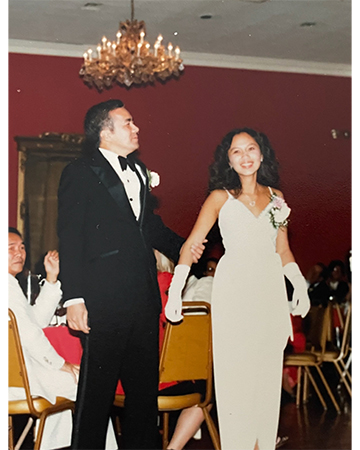
Penafiel regularly attended the ball every year afterward and it became a kind of reunion when friends returned to the area from college. “We all looked forward to going to that debutante ball because it was always held the Saturday after Thanksgiving," Penafiel said. "We'd all be home for Thanksgiving break and we would all attend. It was a chance to reminisce and a chance to meet new friends.”
Linda Jacobo’s eldest daughter Bess was part of the first group of debutantes in 1980. She remembers the happiness she felt seeing her daughter participate in the ball and experiencing a Filipino tradition, an event that is celebrated in the Philippines but not commonly organized by Americans.
"It's a joyful celebration," Linda Jacobo said with a mix of pride and nostalgia.
Now the Debutante Ball participants represent the third and fourth generations, more Americanized and more removed from traditional Filipino culture. Penafiel is currently the chair of Katipunan’s Anniversary and Debutante Ball, a position he has held since 2018. Penafiel shares that many of today’s “debs” have been hesitant to participate at first, but they often tell him afterward how happy they were to be a part of it. He has heard feedback about the Debutante Ball being much better than any homecoming or prom they’ve attended.
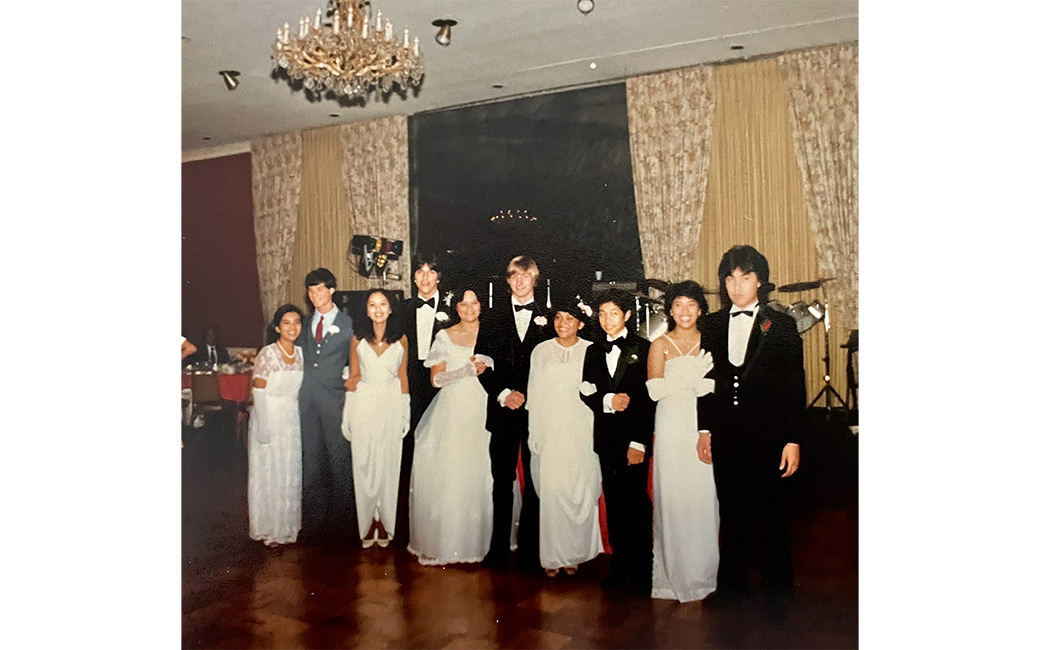
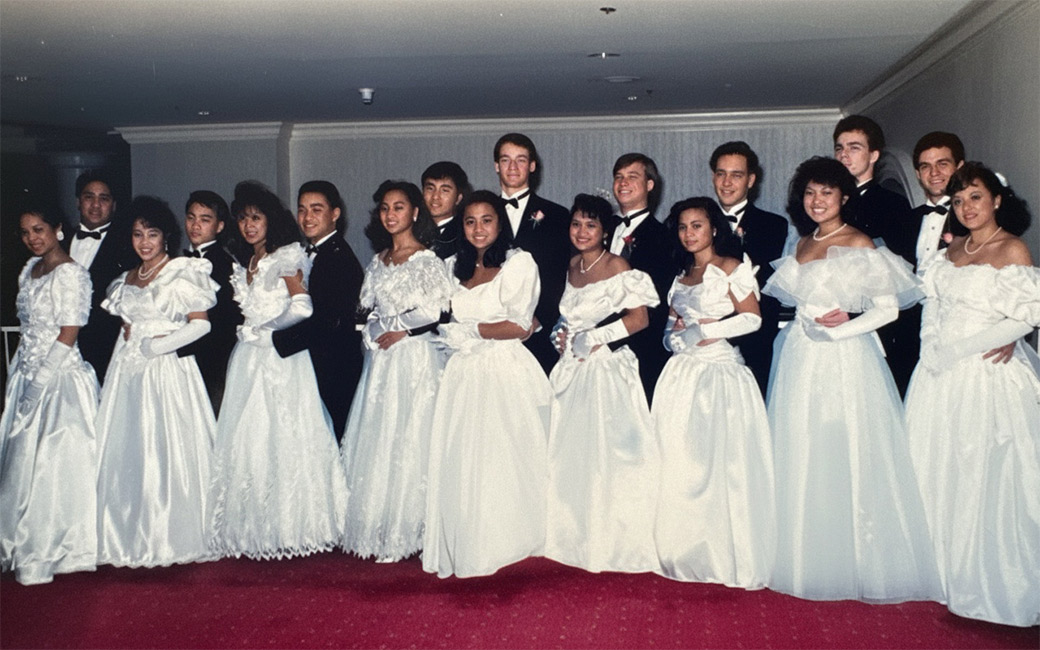
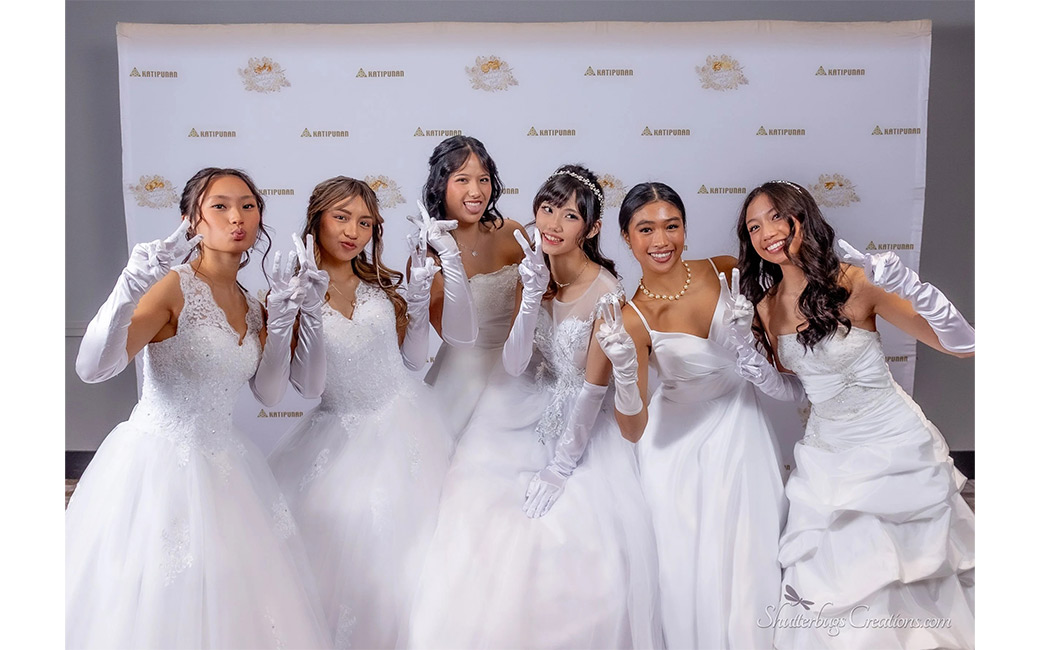
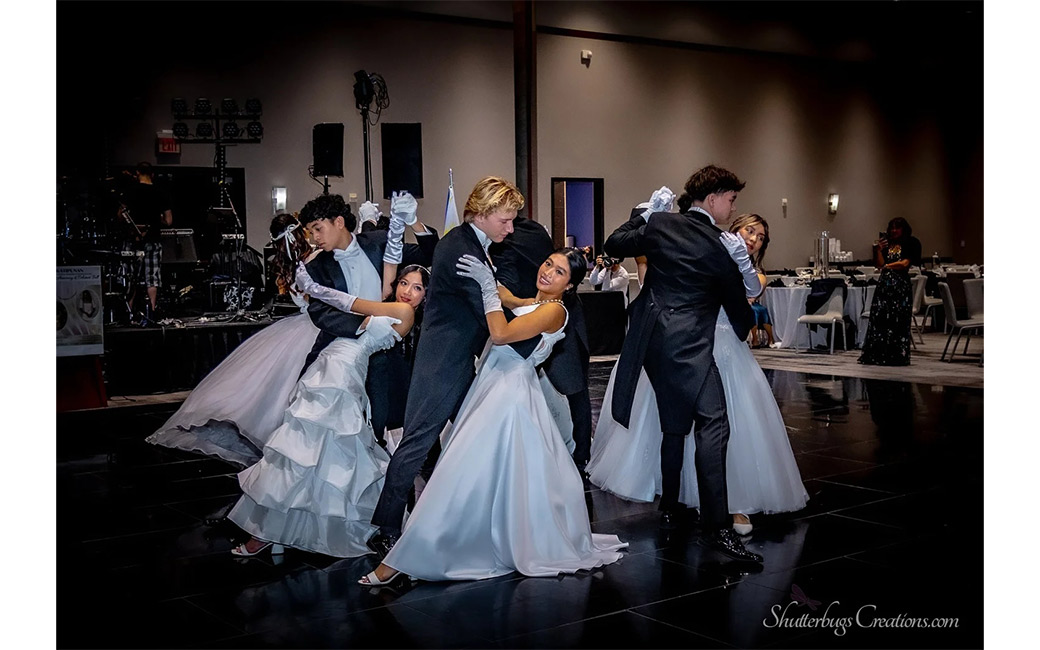
Reflecting on why the event makes such an impact, Penafiel speculated that the cotillion, the traditional ballroom dance that the debutantes perform during the ball, has something to do with it. “It is the lifelong friendships that they develop as they spend every Sunday for ten consecutive Sundays in two-hour sessions learning a four- or five-minute dance. It's more than just learning to dance. It's actually putting down their devices, talking to one another, and working for one unified goal.”
The debutantes and their escorts perform the cotillion for all attendees at the ball. Lolos and Lolas can admire their grandchildren, parents get emotional about their kids growing up while reminiscing about past debutante balls, and students get to have a fun party with their friends. Penafiel reflected: “My god, what kind of an event can you get three generations to come together for one evening and have a good time?”
While the debutante ball continues to be an annual event, Board members now have to actively recruit high school students to participate due to declining membership in Katipunan. Once the children of the original founders of Katipunan started going to college and moving away, there were fewer events. Most of the generation that started Katipunan are now octogenarians and many have passed. Those currently involved in Katipunan do not have young kids. Magno said, “I think if we had more members that were younger with families, they would be more interested in doing things like that.”
An Evolving Organization
Dr. Raymundo Magno passed away in 2018, and Rebecca decided to carry on his legacy by taking on leadership responsibilities within the organization. At that time, she had not been involved in Katipunan for several years. But her parents had been organizing the annual golf tournament and fundraising event since 2007, and when her father passed, Rebecca stepped in to help her mom plan the next tournament. She continued to be involved with Katipunan ever since, and she became president of Katipunan in 2024.
Appropriately, the golf tournament is now called the Dr. Ray S. Magno Memorial Golf Tournament. It is now in its 19th year and is going strong. This past June, over 90 golfers participated, and a portion of the proceeds raised were donated to New Pathways to Enterprise, a nonprofit organization that offers livelihood opportunities to impoverished women in the Philippines.
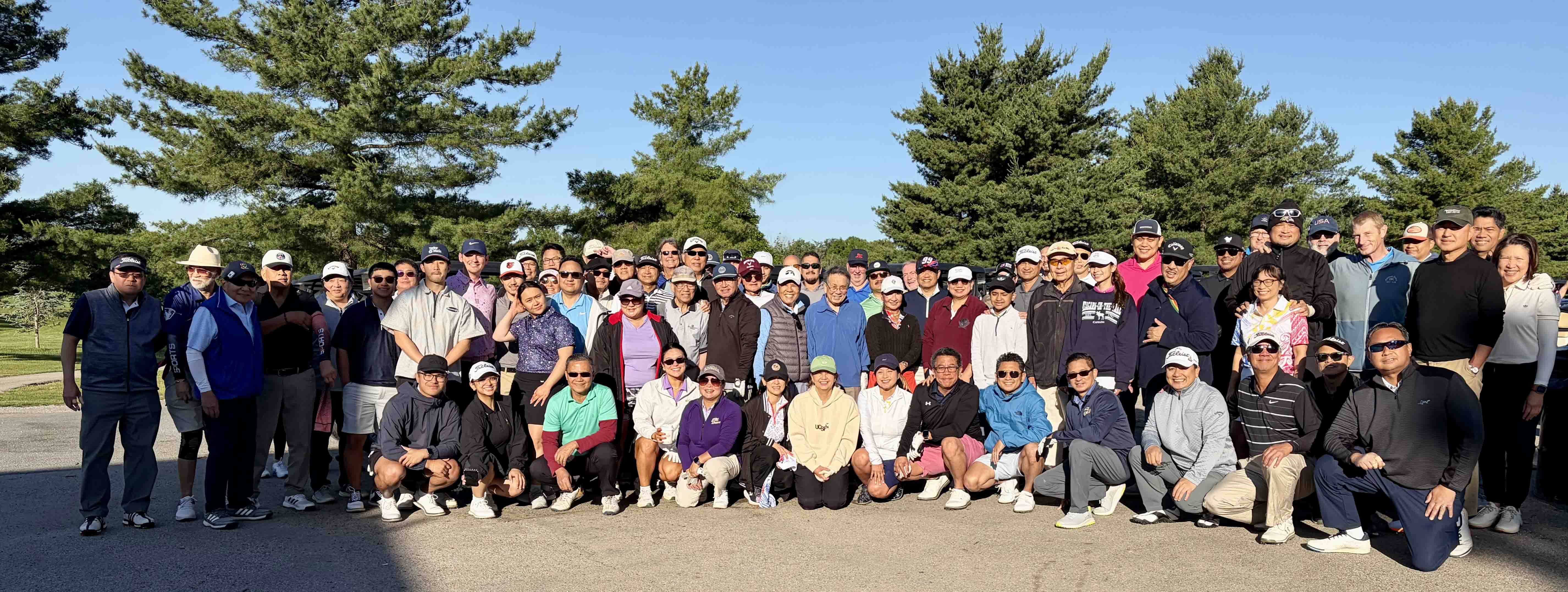
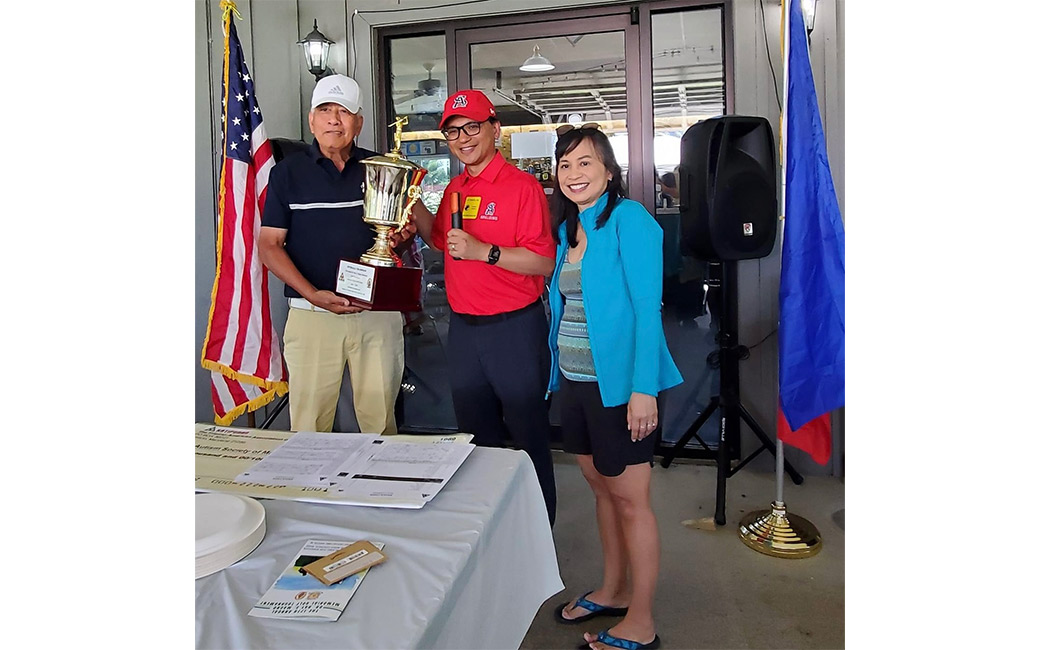
While events like the golf tournament continue to draw crowds, overall Katipunan membership continues to be smaller than years past. Many of the instructors who taught Magno and others the traditional Filipino dances are no longer able to teach or have moved or passed away. Additionally, other organizations that serve the Filipino community have proliferated over the years, drawing Filipinos to their events and activities.
Proceso and Linda Jacobo stopped participating in Katipunan when they moved to Oregon in 2019. She had been disappointed to hear that Katipunan was losing steam. “It's like trying to revive a dying flame,“ she said ruefully. Linda moved back to Maryland after Proceso passed. She’s optimistic about the new energy that Magno, Penafiel, and others are bringing to Katipunan’s leadership.
Penafiel attributes the declining membership in Katipunan, in part, to generations that have assimilated into American culture and aren’t looking for the same types of experiences. “My parents’ generation came here and needed some sort of social club. As our generation came around, we didn’t need a social club,” Penafiel said. “Hardly any of us speak the Tagalog language, much less the hundreds of dialects that are out there. And why is that? Because we assimilated.”
Although Magno had not participated in Katipunan for several years in the early 2000s, she is glad to be involved again and reconnect with the Filipino community. “There are things about being Filipino that are just the way that you live. And it's not necessarily a specific food or a specific dance. It's a very warm culture and it really embraces the idea that it takes a village. I want to recreate that for Filipino kids, but it's hard. We don't have a hundred families anymore who are interested in getting together all the time,” Magno said.
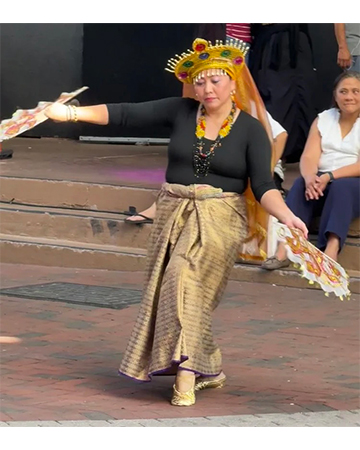
When I moved back to Maryland after spending several years on the west coast, I was delighted to learn that the annual Filipino Festival still occurs, and I was eager to bring my son so he could experience Filipino food and culture just as I had. However, Katipunan is no longer the central planner for the event.
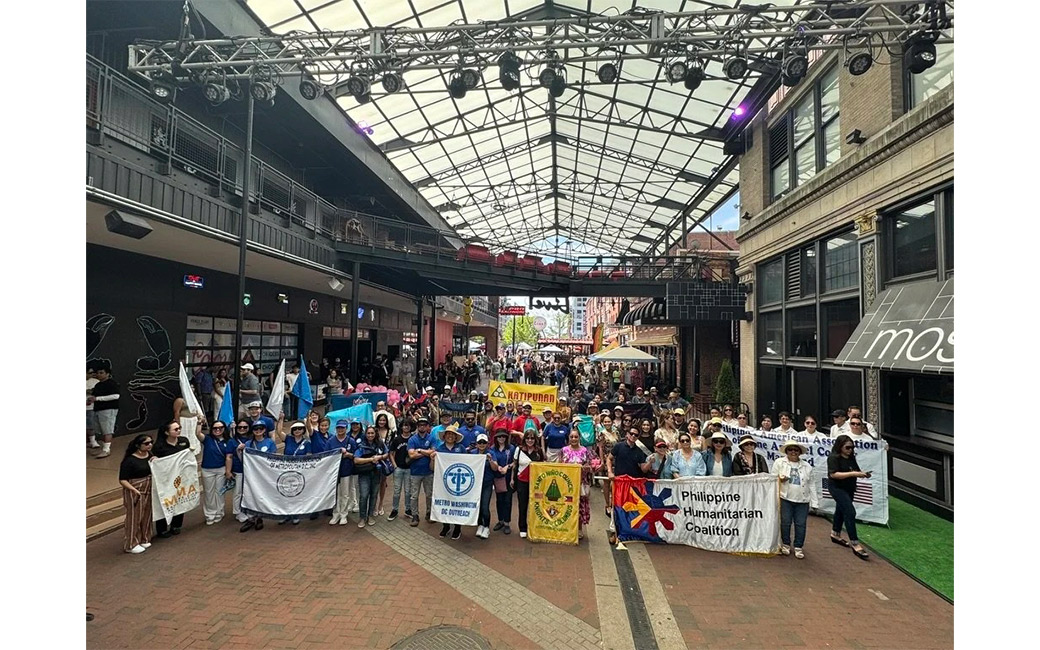
“We just don't have the manpower, nor do we have the membership to do that,” said Magno. Now Katipunan officers partner with the current festival organizers, Virna and Jimmy Almuete, who began producing the event in 2022. The festival has returned to downtown Baltimore and now takes place at PowerPlant Live! Katipunan organizes several cultural aspects of the event, such as traditional dances.
In recent years, Katipunan has been focusing more on charitable and community service activities. For example, Katipunan organizes an annual community health fair, offers merit scholarships to Filipino students entering college and recently raised funds to help those in the Philippines impacted by the earthquake that struck Mindanao in June of this year. Katipunan also provides meals for up to one hundred families in the Philippines for Noche Buena, a holiday tradition in the Philippines that involves gathering for a feast on Christmas Eve with ham, pandesal (a sweet bread) and other foods. Penafiel said, “We can't give Noche Buena products to every single poor family in the Philippines, but we can at least make a difference in someone's Christmas Eve during the Christmas season.”
Honoring a Legacy
Focusing on charitable initiatives builds on Katipunan’s long history of raising money for the Filipino community in Maryland and abroad. In 2008, Katipunan became a 501(c)(3) nonprofit organization, and Magno hopes that Katipunan can transition to becoming a foundation. Both Magno and Penafiel are committed to Katipunan’s signature events—the golf tournament and the debutante ball—and continue to honor the legacy of their parents.
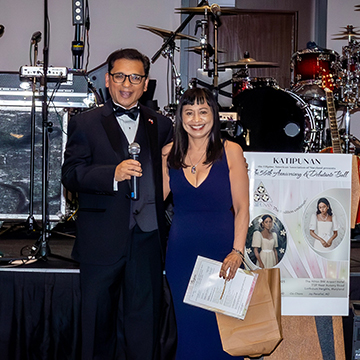
Magno said, “I know that my parents would be happy. I know that they would not want the organization to die. It meant so much to them.” Similarly, Marc Aquino, the son of one of the original choreographers of the cotillion, Marcia Aquino, has stepped into his mother’s shoes to help the new debutantes every year. According to Penafiel, Aquino said that it would be his pleasure to volunteer so he can continue the legacy his mother left behind.
I have long admired how the first generation devoted their time and energy to building community. Despite the challenges of leaving their homeland, adjusting to a new country and community, and balancing family life and work, the original founders of Katipunan—many of whom were busy medical professionals and teachers—carved out time to build and sustain an organization that kept Filipino traditions alive and strengthened the Filipino-American community in Maryland.
“It was the very first organization that was formed here when the Filipinos were starting their life in the 70s, and it should be alive forever,” asserted Jacobo. Members like Drs. Penafiel and Magno are working hard so the organization can thrive even with shifting priorities. Penafiel said, “I certainly recognize the contributions of the previous generation. I saw the good that they did. I see the good that Katipunan can still do, and that's why I want to continue to be a good steward for this organization.”
In addition to her own efforts to lead Katipunan, Magno hopes to inspire the next generation to take the reins one day. “I wish we could get more young people involved,” she said. “These young Filipinos are pretty amazing kids—hopefully they’ll be future leaders in the community.”
This article is lovingly dedicated to Myrna Jacobo Sotto (1933-2026), Proceso Jacobo (1939-2022) and Carmencita Kenney (1940-2023).
References
Jacobo, Linda. (2026, August 11). Personal communication.
Magno, Raymundo. “Our History.” (n.d.). Retrieved August 6, 2026 from Katipunan.org. https://www.katipunan.org/our-history.
Magno, Rebecca. (2026, July 16). Personal communication.
Penafiel, Jay. (2026, July 27). Personal communication.
About the Author: Theresa Sotto
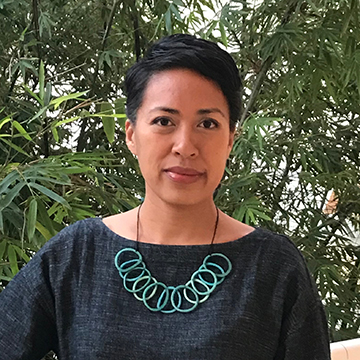
Theresa Sotto is a second-generation Filipina-American and Baltimore native. She has worked at the crossroads of arts, education and community engagement for over 25 years. Sotto has held roles at cultural institutions across the country, including the Walters Art Museum, the Hammer Museum at UCLA, the Getty Museum, the University of Arizona Poetry Center and the John F. Kennedy Center for the Performing Arts. From a young age, she witnessed her mom, Myrna Sotto, demonstrating the power of the arts in enriching people’s lives and building community through her work as a music teacher, accomplishments as a pianist and service leading choirs in the Filipino community. She credits her mom with setting her on a career path focused on increasing access to the arts. She is currently working to expand stories representing the Asian diaspora on the Asian Arts and Culture Center’s Greater Baltimore Asian Community History archive.