Annual Convening
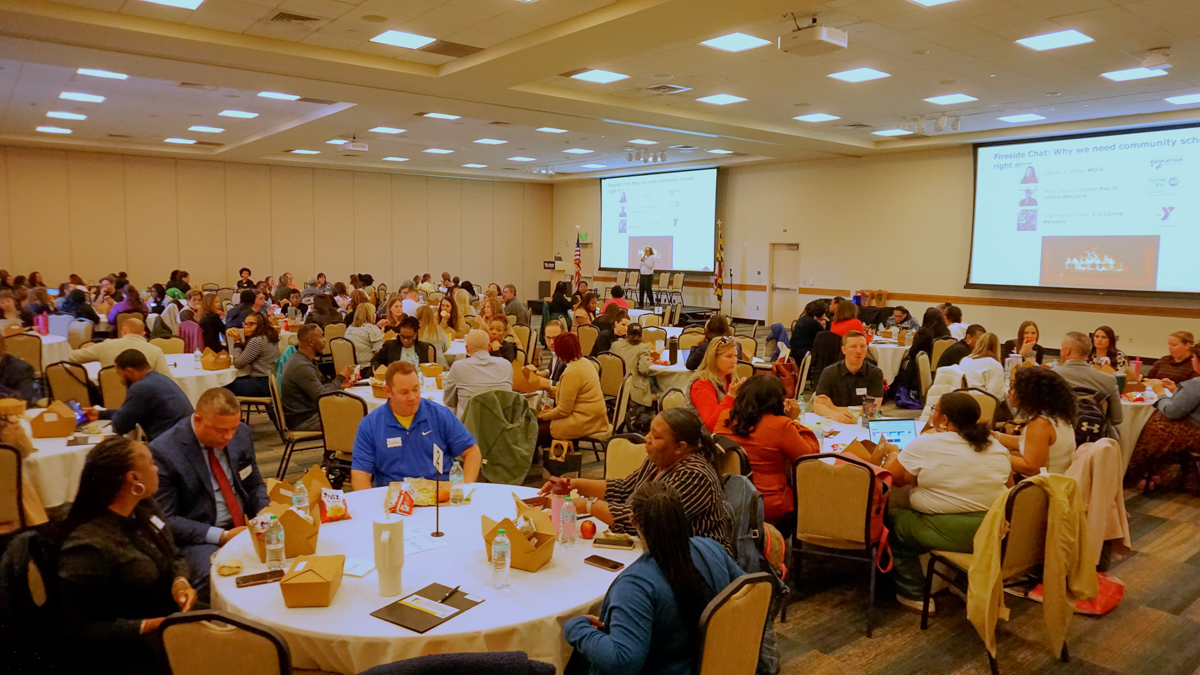
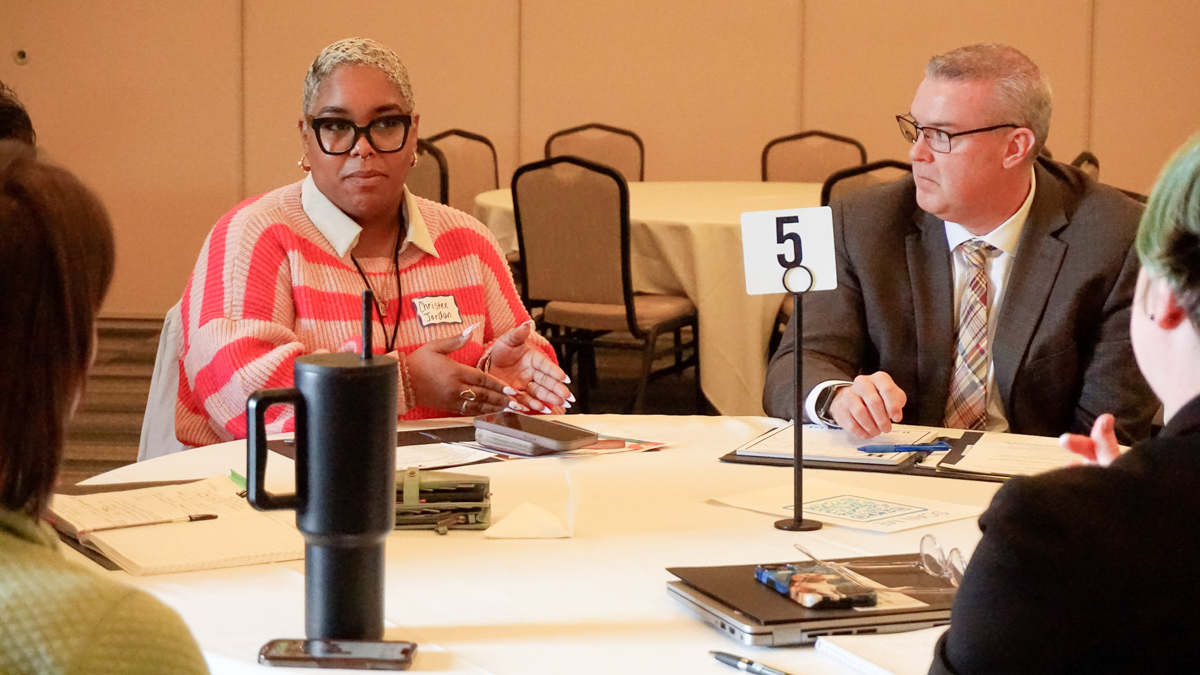
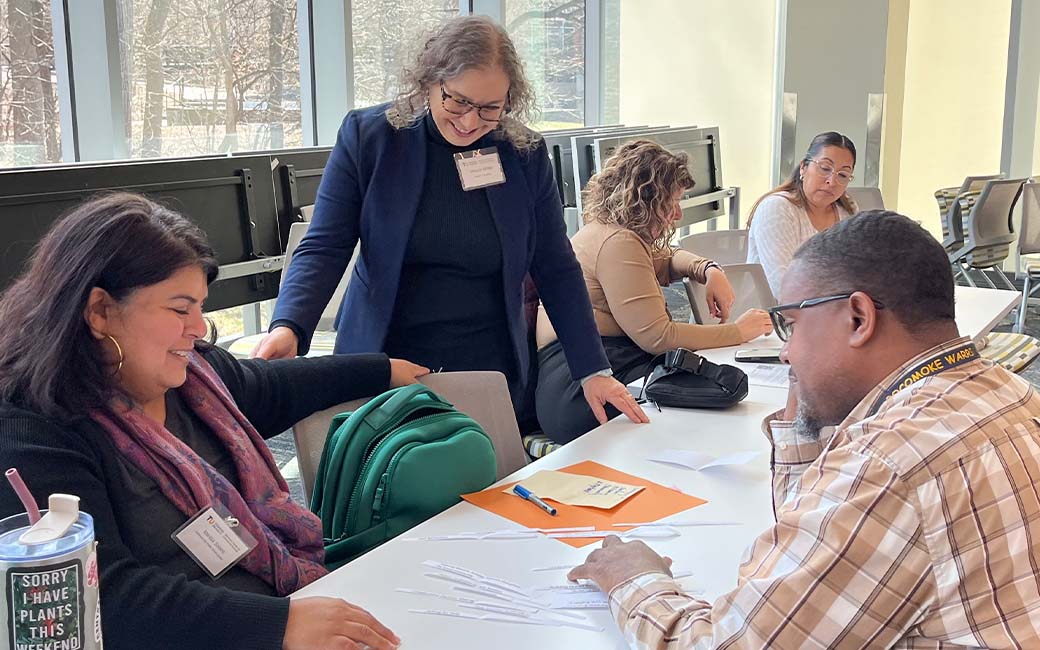
The Maryland Center for Community Schools Annual Convening showcases the invaluable work of Community Schools leaders from across the state with a full day of learning, idea exchange, peer networking and celebration.
Building collective power: Forging resilient students, families and communities
Wednesday, March 18, 8:30 a.m.–3:30 p.m.
TU University Union
Early Rate Ticket (ends March 1): $75
Full Price Ticket: $100
Agenda
8:30–9:15 a.m.: Breakfast and Registration
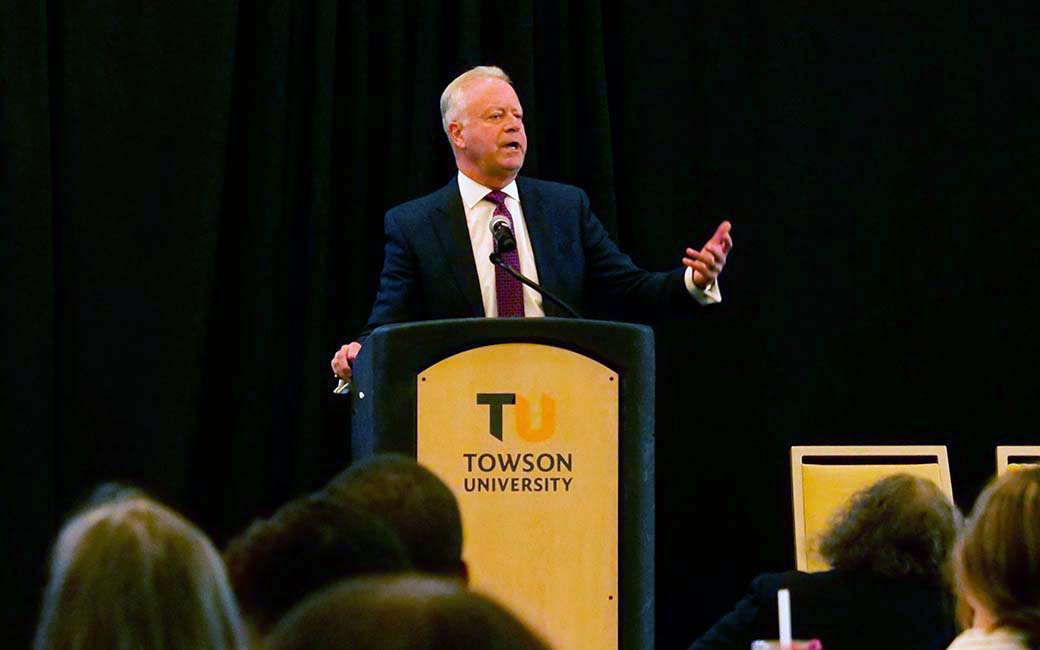
9:15–10:00 a.m.: Welcome and Keynote
- Laurie Mullen, Dean, College of Education, Towson University
- Jessica Shiller, Director, Maryland Center for Community Schools, Towson University
- Invited Keynote: Michael Martirano, Superintendent, Allegany County Public Schools
10–10:15 a.m.: Coffee Break
10:15–11:15 a.m.: Concurrent Session 1
Session 1 Workshops
- AI for Community Schools: Systems that reduce burnout and boost student support, Danielle Neal
This session will share practical strategies I have used as a Community School Coordinator to strengthen family engagement and streamline the daily systems our role requires. - Leveraging community and family partnerships to achieve SIP goals, Ashley Gilbert
This session will explore how schools can effectively engage families and community partners to support and achieve School Improvement Plan (SIP) goals. - Community school impact on attendance, Kevin Weis and Amanda Coyne
This session will share simple sustainable strategies to support student attendance and reduce chronic absenteeism. - Family conferences: Reimagined, Natalya De la Cruz
This session shares a collaboratively developed, well-received, and field-tested model to empower families in conferences about their children’s achievement. - Effective strategies for successful implementation of a family engagement initiative
in a community school, Michelle Washington and Jillian Elkaim
This presentation will focus on effective strategies to connect with families, and will include a series of strategies including a step by step process of engaging all community members in our monthly coffees. - Collaborative leadership/layered partnerships, Scott Johnson and Shanelle England
This presentation focuses on strategic partnerships including the importance of university and neighborhood support to achieving success as well as how collaborative leadership empowers Community School Coordinators to build strong relationships among school staff, families, and community partners to address academic, social-emotional, and wraparound needs. - Building power through partnership: How CBO’s in the ENOUGH Initiative strengthen
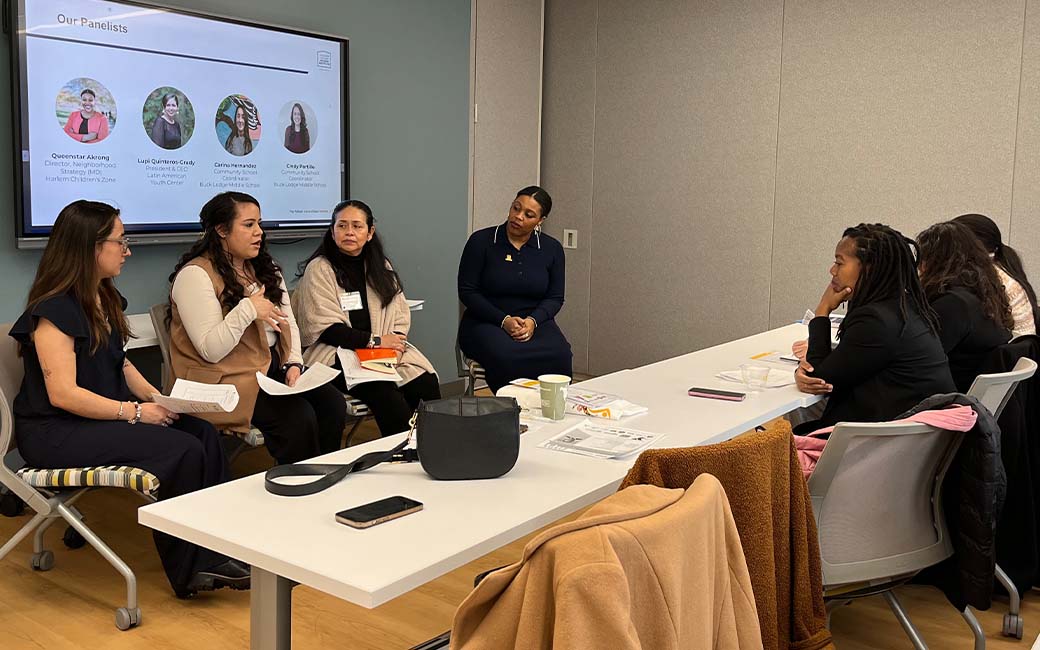
collaborative leadership in community schools, Queenstar Akrong
This session shares how the Latin American Youth Center (LAYC), an ENOUGH-funded community-based organization, has navigated their first year of implementation by building collaborative leadership structures with school principals in their community. We'll share specific examples of how they've navigated shared decision-making around family engagement strategies, leveraged each partner's strengths
Session 1 Roundtables
- Developing effective partnerships in and outside of the school building is essential
to creating a strong, Sabrina Fitts
This discussion will focus on developing effective partnerships in and outside of the school building, which is essential to creating a strong, supportive learning community. - How to embed community school concept in a new community school, Tashna Morris
This discussion will benefit the audience by providing practical strategies for intentionally embedding community school culture into daily school practices in a new community school. It supports educators, school leaders, and support staff in creating inclusive, relationship-centered environments that address academic, social-emotional, and community needs—especially for students impacted by poverty, trauma, and disengagement. - How do we simultaneously prepare learners that are significantly below grade level,
at/approaching grade level or above grade level through extracurricular learning and
enrichment activities, Chris Branch
This discussion will examine strategic approaches to identifying and implementing expanded and enriched learning opportunities for students across a broad spectrum of grade-level proficiency.
11:15 a.m.–12:15 p.m.: Concurrent Session 2
Session 2 Workshops
- Amplifying voices through community-centered data conversations, Filipa Gomes and Kathy Orlando
This session will engage participants in a data session to unearth key strategies and reflect on shared data as a way for participants to pivot from data session "attendees" to learners, essential for obtaining buy-in from community partners. - Building social capital through intentional organizing, Ahmad Collick and Paige Corresel
The session reframes existing activities as strategic organizing opportunities, provides concrete tools to transform routine interactions into power-building moments, and demonstrates how social capital directly connects to grant writing and advocacy as a core data strategy rather than a soft skill. - A rural perspective year one two and three of powerful family and student engagement
in community schools, Flo Terrill and co-presenters
This presentation would benefit those rural community schools who are in the first three years of the community school process. Rural perspectives on family and student engagement are essential as they are a specific ecosystem within themselves. - Community schools financial dashboard: ensuring clear visibility into resources supporting
students and families, Ada Carter and Krista Body
The session introduces a centralized, real-time financial dashboard that addresses common challenges such as fragmented data, siloed oversight, and time-intensive monitoring, designed for district and school leaders - Community-Connected instruction for engaged learning in community schools: find that
spark!, Liz Obarra and Sabina Sully
This presentation will discuss how Community School staff can both connect with classroom teachers as well as offer opportunities apart from the classroom that support community-connected learning. - From needs assessment to action: Using the NEA curriculum to drive impact and sustainability
in community schools, Dave Greenberg and Angelia Ebner
This presentation will benefit the audience by offering a practical, structured approach—grounded in the NEA Community Schools curriculum—that helps teams move from assessment data to action. - Partners in health: Growing healthy communities through wrap-around school-based supports, Sarah Daniels Larson
This presentation will tell the story of how Tyler Heights Elementary School, a Title 1, Community School, in partnership with Anne Arundel County Department of School Health developed wrap-around services and innovative partnerships to address physical health needs through a family-focused approach. - Building strong, trust-centered partnerships with principals and school leaders, Nahema Witt and Phi Thach
This session equips Community School Program Managers, coordinators, and district staff with practical strategies to deepen collaboration with principals and leadership teams. Participants will gain actionable tools to strengthen communication, build credibility, and align efforts around shared goals.
Session 2 Roundtables
- How Allegany County Public Schools is leveraging celebration, communication, and partner
engagement to advance the community schools strategy, Autumn Symons and Jenny Ramsey
This discussion will center on strengthening collaborative leadership and sustaining meaningful partnerships by elevating the visibility and shared vision of community schools across the district. - How schools and districts can be intentional with expanded and enriched learning opportunities, Roclande White
This roundtable will explore how districts and schools can move from opportunity awareness to opportunity alignment through systems, tools, and structures that have been most effective in their contexts, where implementation challenges persist, and what supports or conditions are needed to ensure expanded learning opportunities are equitable, aligned, and sustainable. - Shared leadership for whole-child impact: Lessons from community schools, Aleisha Richter and Tanisha Burks
This discussion will focus on establishing a foundation of essential resources creates a gateway for deeper family-school partnerships. By successfully addressing critical community needs like food insecurity and adult education, Laurel Woods has transitioned from initial implementation to long-term sustainability, always keeping the ultimate goal of supporting high-quality instruction at the forefront.
12:15–1:15 p.m.: Networking Lunch
1:15–2:15 p.m.: Concurrent Session 3
Session 3 Workshops
- Growing community: Centering student hope and belonging in community schools, Bernard Hennigan
This interactive presentation will help attendees use student-centered data to build more proactive systems of early identification and support for the root cause of student needs, instead of reacting to negative dips in observable outcomes (attendance, behavior, academics, etc.). - Strengthening community school and expanded learning integration, Ellie Mitchell and Kim Duncan
This session will highlight intentional strategies to make sure Expanded Learning opportunities are fully connected to the goals and objectives of the community school strategy and utilize youth development best-practices. - From events to systems: building a community school playbook for sustainability and
scale, Tia Harris
This presentation would benefit the audience by offering a practical, practitioner-developed framework for Community School Coordinators and school leaders who are seeking to move beyond isolated events toward sustainable, systems-based implementation. The session will share how a Community School playbook was developed to organize annual, monthly, and weekly initiatives into a clear cadence aligned with Community School pillars - A beautiful marriage: How schools and communities can work together to increase student
outcomes, Sedrick Smith and Andrea Rodriguez
This session will benefit attendees by offering a practical, replicable model for strengthening engagement—especially in culturally and linguistically diverse communities—using strategies that have shown measurable impact at Fallstaff EMS in Baltimore City. - One fabric, many threads: Aligning community schools and school improvement, Jennifer Hyde, Michelle Watson, and Justin Freimanis
This session demonstrates how intentionally aligning community partnerships, wraparound supports, and family engagement with school improvement goals creates more coherent systems, strengthens student outcomes, and promotes more efficient use of resources. - Shared leadership for whole-child impact: Lessons from community schools, Larinda Fields and Ryan Stokeling
The presentation moves beyond coordination to focus on shared leadership and collective power, helping participants understand how to intentionally shift decision-making to include students, families, and community partners. This approach is essential for building resilience and creating sustainable outcomes, yet it is often one of the most difficult aspects of Community School implementation.
Session 3 Roundtables
- Using the MCCS Transformational Community Schools Toolkit, Liz Obarra and Deveda Coley
Using the Transformation Community Schools Toolkit, we would like to lead a roundtable discussion around transformational practices. We would like to gather CSC's and other CS professionals who are ready to go deeper with their practices and really brainstorm and problem-solve how to move their practices from transactional to transformational. - How TU’s Community Engagement and Leading School Change program and how it has impacted
our work as CSC/CSL's, Jessica Jackson and co-presenters
An informal discussion about our experience in the Community Engagement and Leading School Change program and how it has impacted our work as CSC/CSL's. - Project Lakeside: Grab, Grub, and Grow, Matthew White and Christie Ungarden
This discussion will focus on many different benefits of collaboration, outreach, and integrated systems of support.
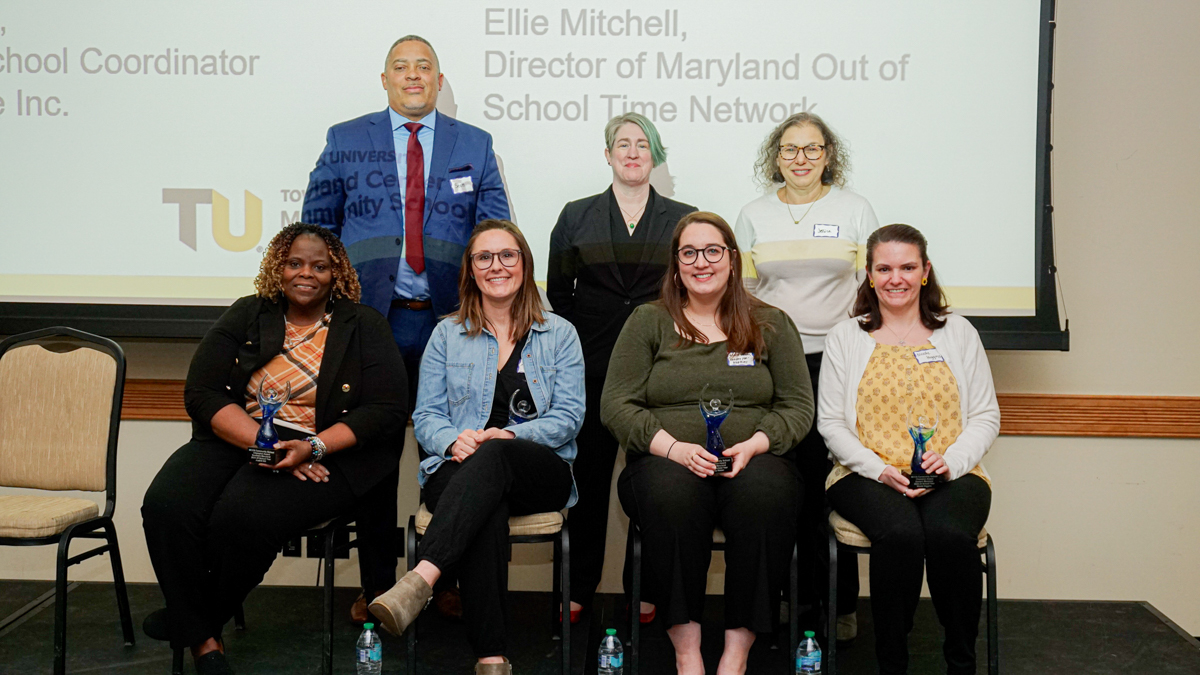
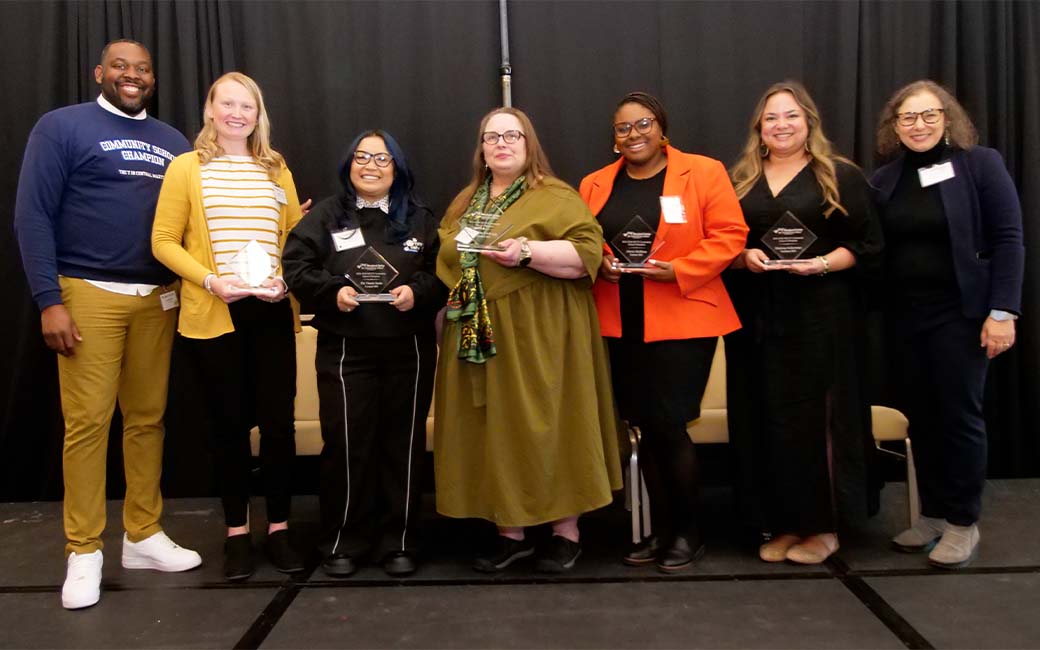
2:15–3:30 p.m.: Awards
Thank you to our sponsors