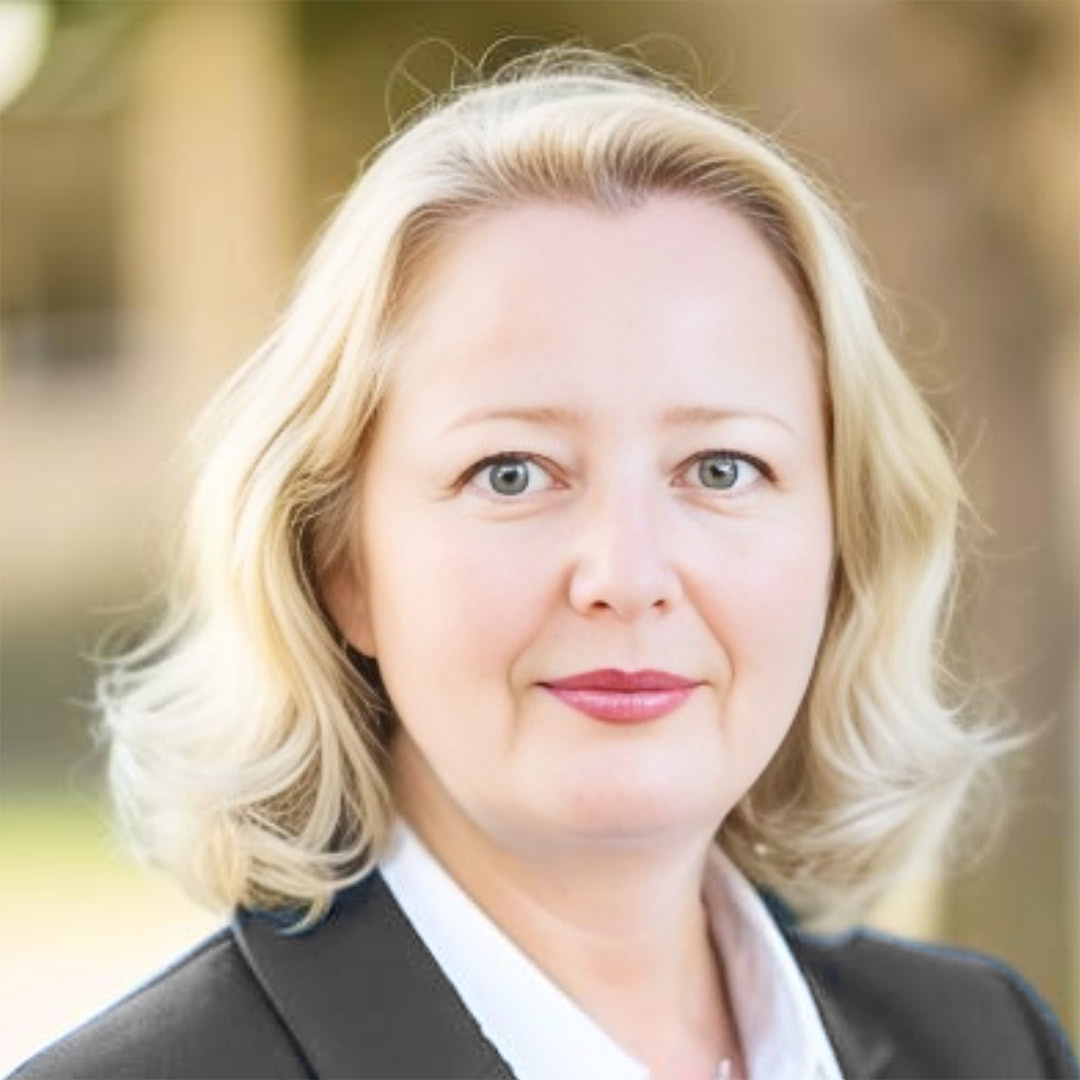
Keynote Speaker
Nikole Hannah-Jones, is an award-winning investigative reporter who covers civil rights and racial injustice
for The New York Times Magazine and the Knight Chair in Race and Journalism at Howard
University where she is the founding director of the Center for Journalism & Democracy.
Unearthing Towson's History Project
Ashley Todd-Diaz, Ph.D. from the Cook Library and Christian J. Koot, Ph.D. from the Department of History presented on the Unearthing Towson’s History Project.
It is an interdisciplinary collaborative effort that centers students as researchers
and interpreters and connects alumni and the wider community to the university. Inspired
by efforts at other American colleges and universities to come to terms with a legacy
of racial inequality in American high education, a team of Towson University researchers
has begun a multi-year project to investigate and publicize this institution’s exclusionist
past and its ongoing efforts to diversify. The project is a collaboration between
the Albert S. Cook Library Special Collections and University Archives, the Department of History, and the Office of Inclusion and Institutional Equity with the support of the Office
of the President and the Office of the Provost. Unearthing Towson's History Project
is a member of the Universities Studying Slavery.
Investigating the Truth Despite the Threats: Building Advocacy in Journalism
Kanika Jackson, Ph.D. and Michael Harrington, M.A. from Communications Studies, and Rauf Arif, Ph.D. and John Kirch, Ph.D. from Mass Communications presented on how the power of investigative journalism
requires foundational argumentation skills to help uncover the hidden truths to amplify
voices often left out of dominant narratives. These outcomes impact how the public
receives and interacts with the information, which creates public discourse that seeps
into interpersonal relations. This session will highlight how journalists like Nikole
Hannah-Jones use storytelling to challenge systems of inequality, elevate marginalized
perspectives, and hold institutions accountable. Throughout this session, attendees
can expect to get theoretical understandings of how to engage in investigative journalism,
apply these approaches pragmatically through confronting the truth via debates, and
then explore the meaning despite opposition.
The Legislative History of DEI: From Policy to Practice
Donn Worgs, Ph.D. from Political Science presented on tracing the historical arc of diversity, equity,
and inclusion in U.S. law and policy. Attendees will examine landmark legislation,
executive actions, and judicial rulings that have shaped the current DEI landscape.
Through a critical lens, the session will connect past policy debates to present-day
challenges and opportunities in higher education, workplaces, and communities.
The Economic Impact of Recent Executive Orders on DEI
Tanja Darden, Ph.D. from Management and Daraius Irani, Ph.D. from Business and Public Engagement presented on executive orders on diversity, equity,
and inclusion have far-reaching effects on education, employment, and business practices.
This session will unpack the economic implications of recent federal directives, including
their influence on workforce development, funding streams, and organizational strategy.
Participants will engage in dialogue on how institutions can adapt while maintaining
their commitment to equity and inclusion.
Equity Games: Learning Through Play
Nadea Armogan, M.A. friom Inclusive Excellence Education and Support and Erin A. Wilson from Administration and Finance facilitated an interactive session using experiential
activities and equity-focused games to spark conversation about bias, privilege, and
systemic inequities. By “playing” through real-world scenarios, participants will
gain new insights into the complexities of diversity and inclusion work. The session
emphasizes collaboration, reflection, and practical strategies for applying lessons
learned to everyday contexts.
Viewpoint Diversity
Katherine Orlando, Ed.D. from Instructional Leadership and Professional Development and Emily Margolis, M.S. from Family Science presented on viewpoint diversity is described as the mutual tolerance
of differing perspectives, which is argued to enrich intellectual communities by preventing
groupthink and stagnation, while promoting progress and innovation. This concept is
often discussed in academia and business and is seen by proponents as vital for intellectual
progress, innovation, and a better understanding of complex issues.