An Accomplished Doctor in Baltimore: Dr. Hiroshi Nakazawa
July 9, 2026
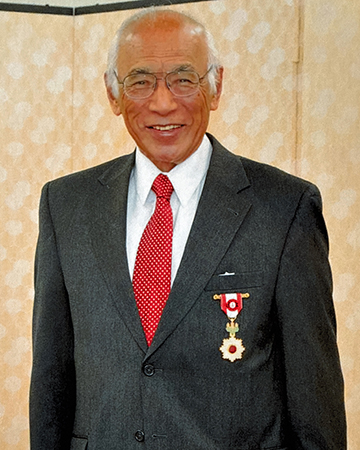
Dr. Hiroshi Nakazawa, an accomplished surgeon, acupuncturist and community leader, has had a long and storied medical career in Baltimore.
Early Years in Japan
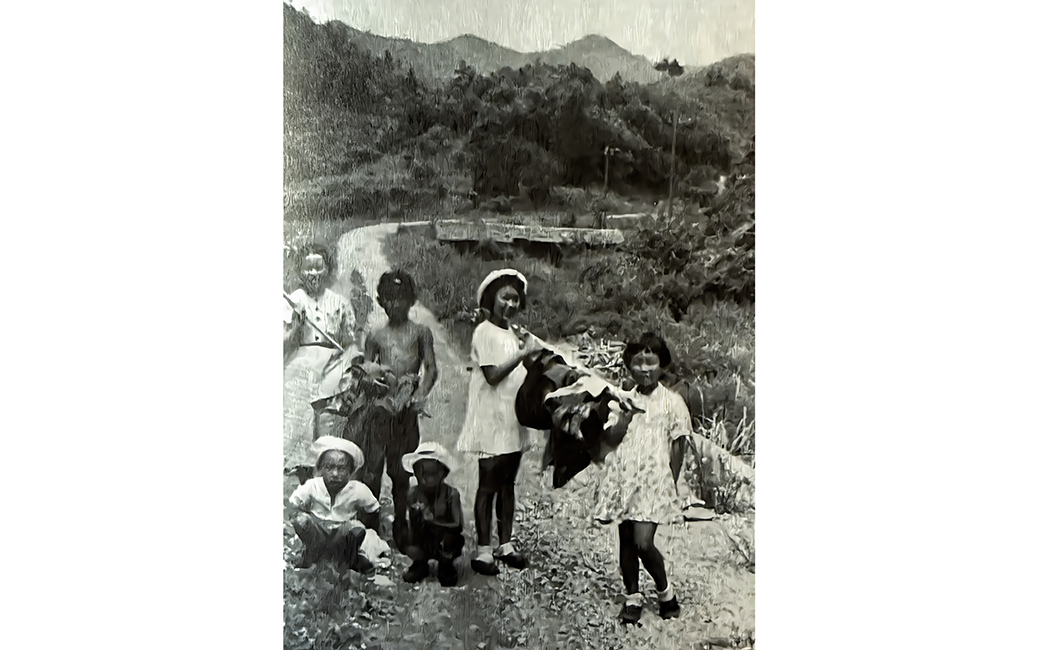
Born in 1932 in Takasaki City, Gunma Prefecture, in Japan, Nakazawa grew up at a time when the impacts of World War II directly affected his family and country. His father, Tasuku Nakazawa, fought in the Japanese army and was sent to battlefields three times during his service. When Nakazawa was in fourth grade in 1941, the Japanese navy attacked Pearl Harbor, igniting World War II. His father was deployed to the Philippines, and the young Nakazawa and his mother, the first-ever woman ophthalmologist in Takasaki, spent many restless days awaiting reports from the battlefront to hear news of his father.
Early that year, Nakazawa endured a life-changing experience. He had asked to join a mountaineering trip with the neighborhood young men’s association when he was just nine years old. The trip would be a grueling five nights of walking up and down steep terrain. Loaded down by a heavy backpack filled with rice, rice bowls, and clothing, and with feet sore from walking, young Nakazawa faced the challenges of the trip and reached the end of the expedition. This experience, which taught him that he could accomplish difficult tasks if he made an effort, became a guidepost for him as he pursued a medical career.
From Japan to Baltimore
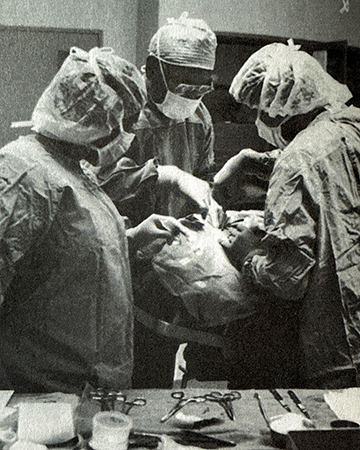
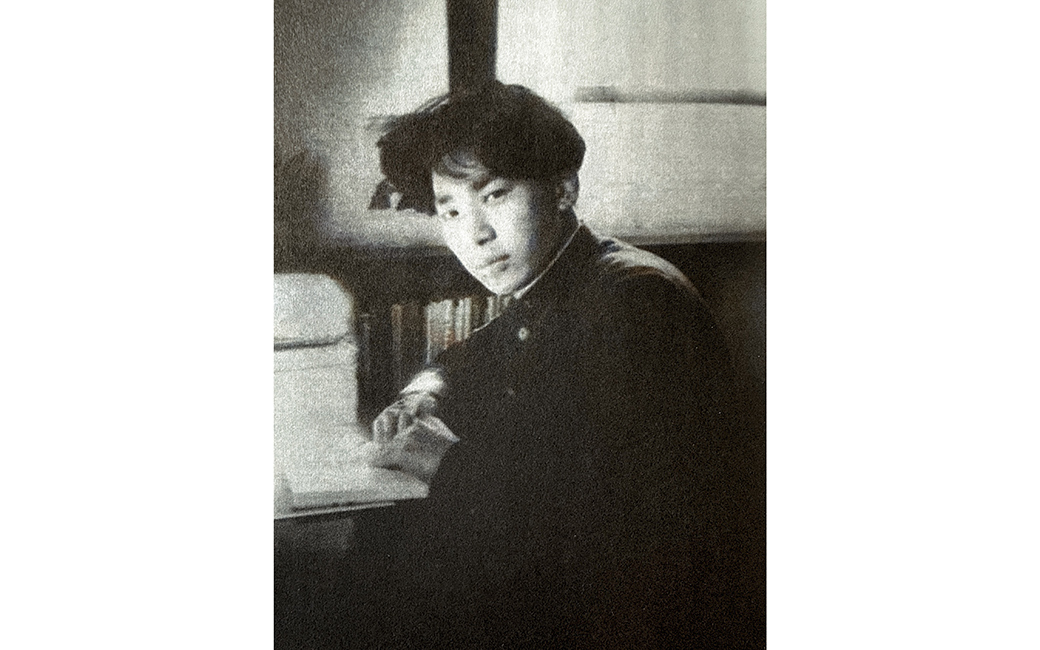
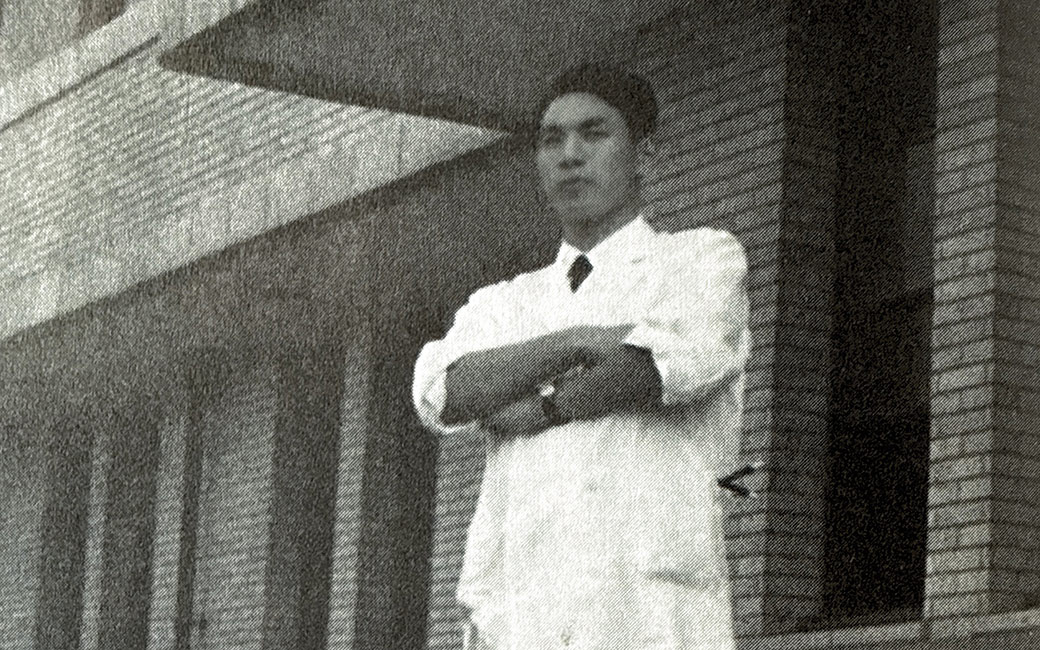
Nakazawa wanted to become a physician since he was in high school. In 1952, he was accepted into the Department of Medicine at Chiba University. During his senior year, he taught himself how to learn English by reading scripts of American movies and then watching them. After working as an intern at the U.S. Navy Hospital in Yokosuka, Nakazawa was eligible to study in the United States. At the recommendation of Dr. Henry Holljes, who taught internal medicine at the hospital, Nakazawa was offered an opportunity to intern at St. Agnes Hospital in Baltimore. At this time, his parents were struggling financially, and he was unsure of how to afford the travel costs. Due to the generosity of two American Navy doctors, he was able to travel to Baltimore.
Nakazawa would become the first Japanese intern at St. Agnes Hospital. Initially, Nakazawa’s beginner-level English made surgery and internal medicine challenging, especially in the emergency room. However, working in the emergency room would become his specialty in later years.
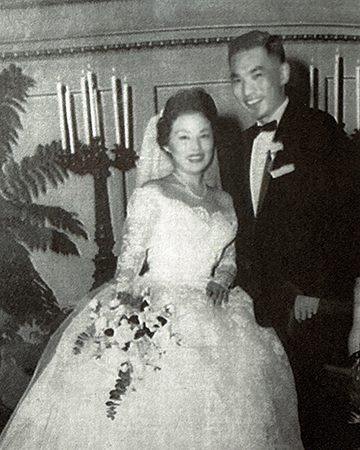
In 1958, Nakazawa was introduced to Mineko Kawasoye, a student majoring in chemistry at Goucher College who held a summer job at the hospital. Born in New York to second-generation Japanese American parents, Mineko helped Nakazawa with perfecting his English pronunciation for his presentations. In 1959, they were married at the First Unitarian Church on Charles Street in Baltimore city. Together they would raise three children.
In the Spring of 1962, Nakazawa became the General Surgery Chief Resident at St. Agnes. In this role he accomplished surgeries and day-to-day tasks that eventually qualified him to become a surgical practitioner.
Making an Impact in Baltimore
Nakazawa would soon open up his private practice in Baltimore in a low-income neighborhood. Initially, he was paid $7 per patient per year, which was considerably less than the $7-10 fee per visit that medical offices charged for new patients at that time. Eventually he would treat many patients and learn about challenges his patients faced. He began to work as Urban Committee Chairman of the Baltimore City Medical Society to discuss solutions to an issue of increasing frequency in the neighborhood: many soldiers who returned home with trauma from fighting in the Vietnam War fell into drug addiction and sometimes became violent. Through his work as Committee Chairman, Nakazawa realized he could make a positive impact not just in the medical field but for the city of Baltimore broadly.
Years later, Nakazawa would continue to serve in important leadership roles. He served as President of the Baltimore City Medical Society, as well as President of the St. Agnes Hospital Doctors Association, and Vice Chair of Council for the Maryland State Medical Society (MedChi).
Fostering Exchange Between Baltimore and Kawasaki City
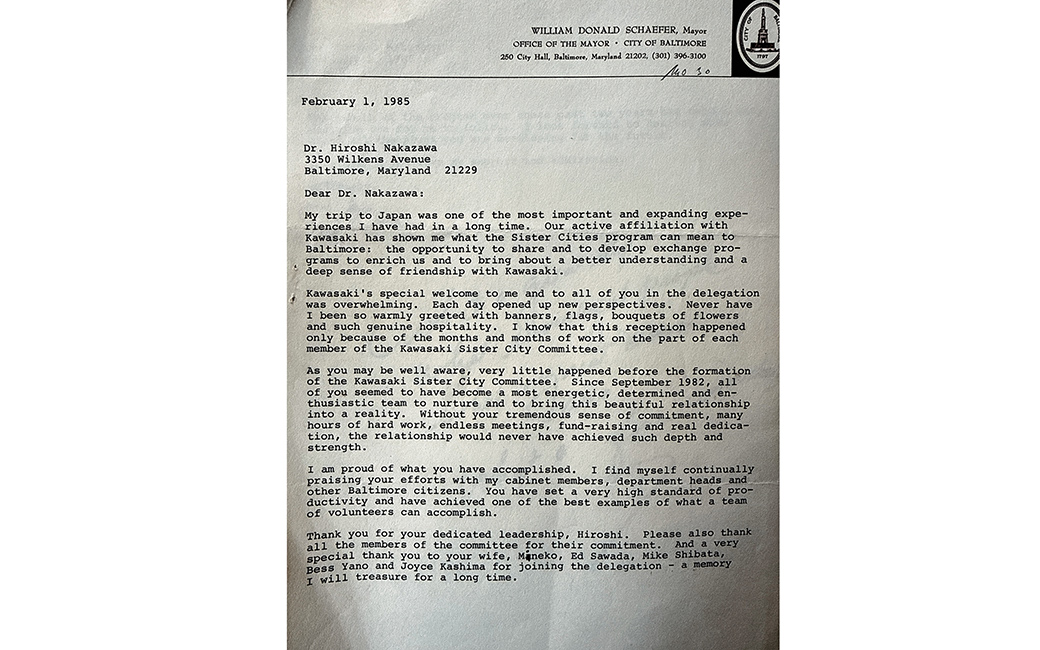
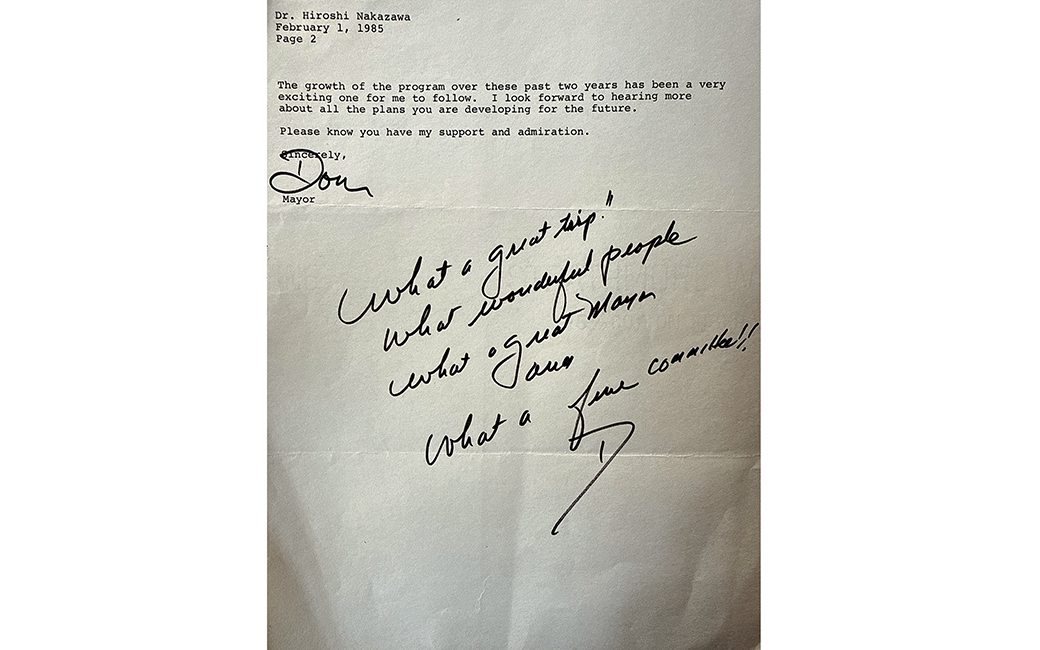
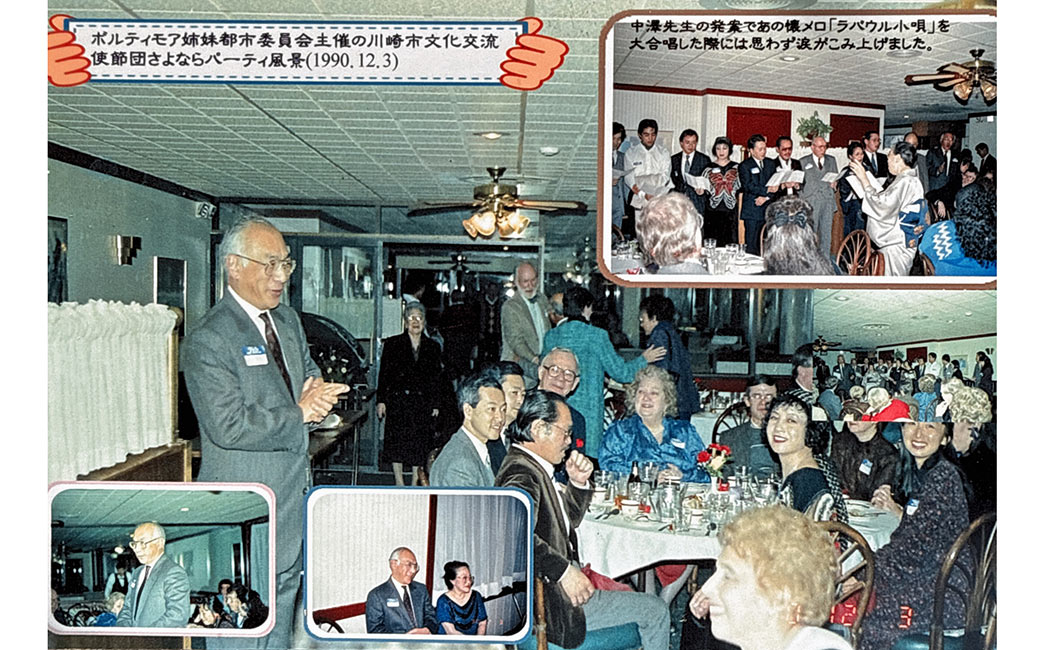
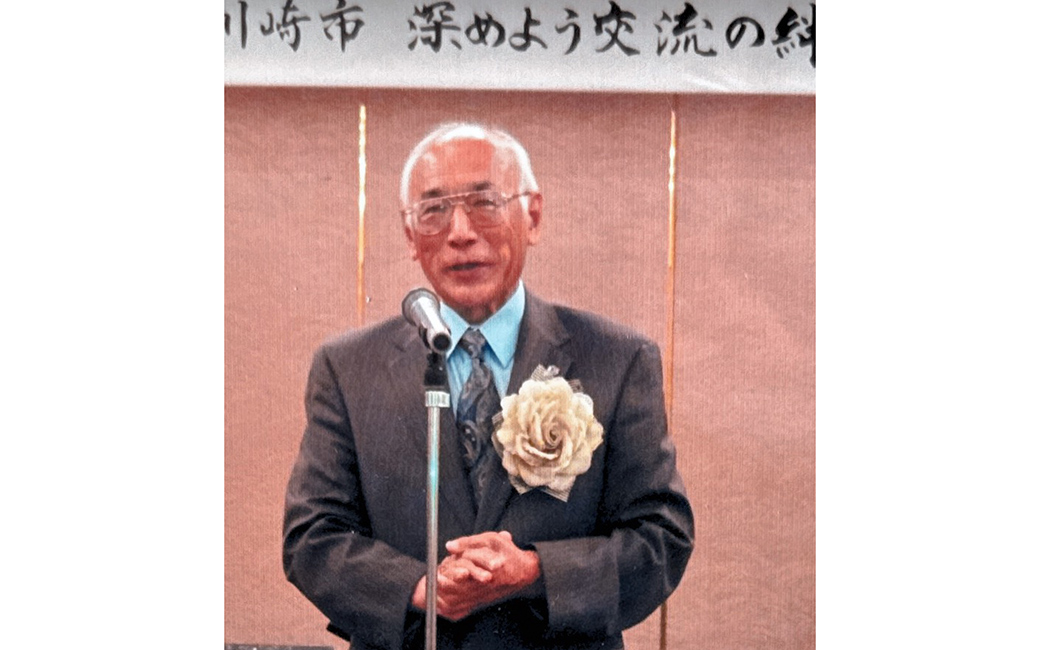
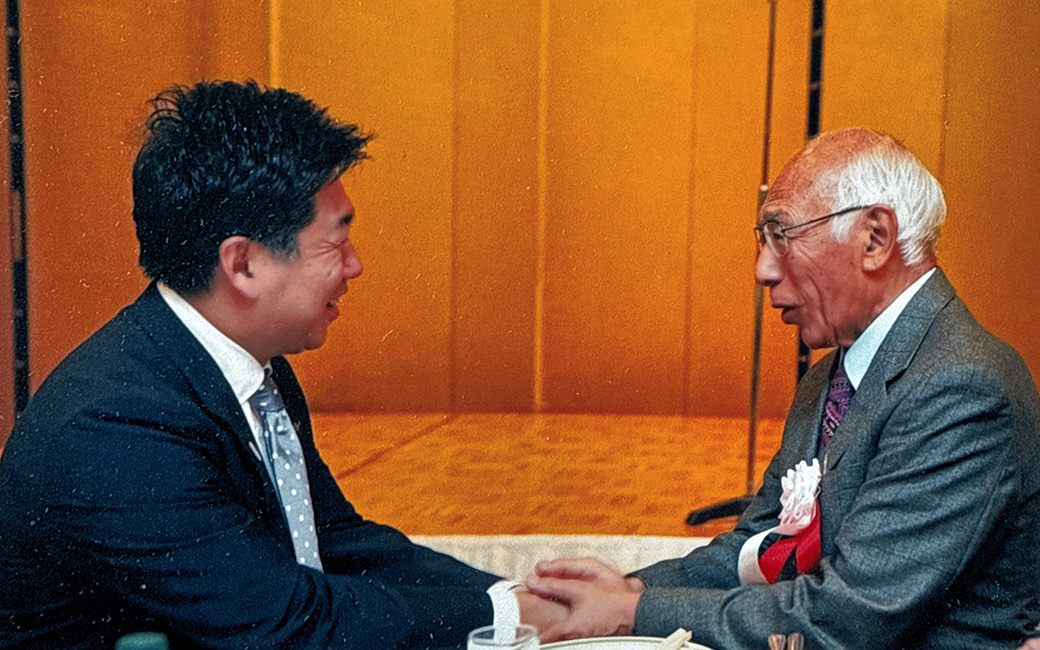
In 1979, as part of President Eisenhower’s initiative to promote exchange through city-to-city “sister affiliations,” the city of Baltimore became official partners with Kawasaki City in Japan. The mayor of Baltimore at that time, William Donald Schaefer, asked Nakazawa to launch the Baltimore-Kawasaki Sister City Committee in the role of chairperson on the Baltimore side. Charged with deepening the collaboration between the two cities, Nakazawa held monthly meetings at city hall and assigned people to several subcommittees, including culture, economy, education, sports and Boy Scouts.
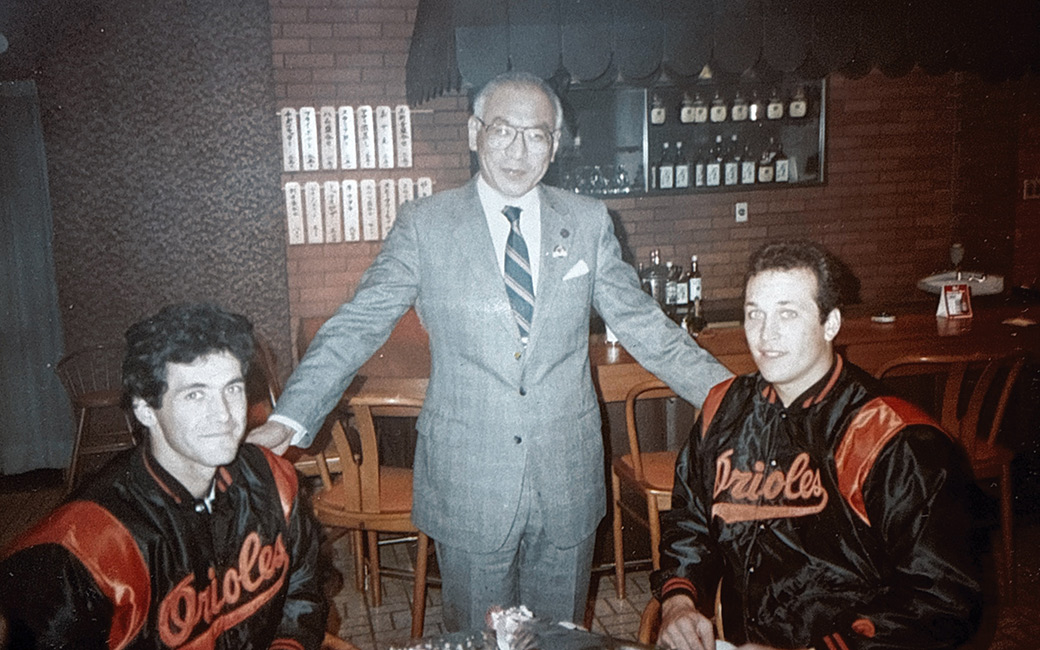
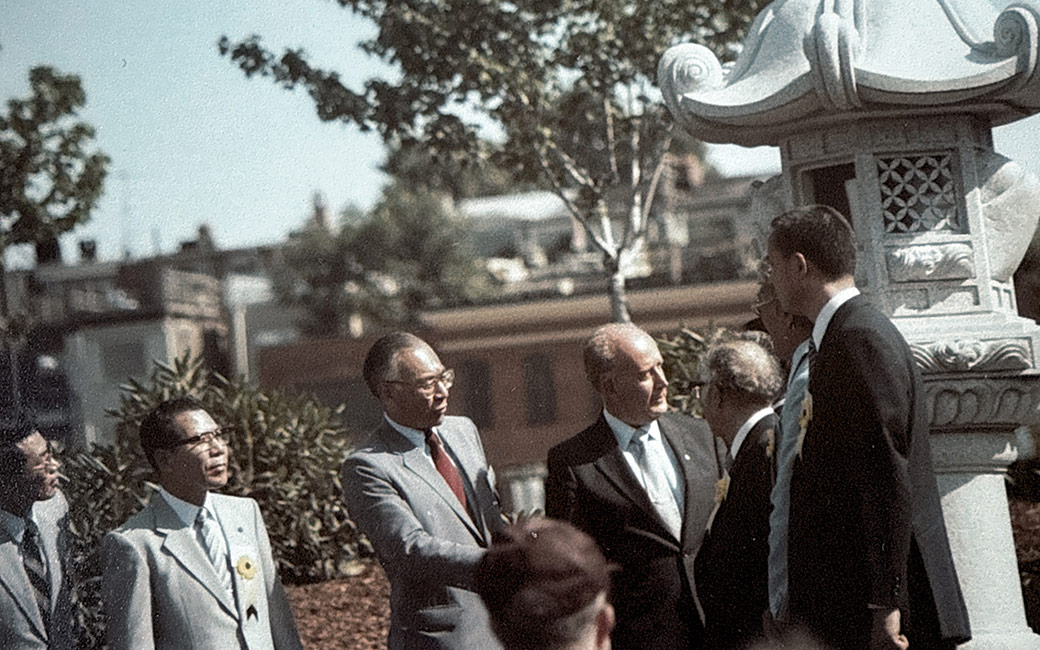
In 1983, the Baltimore Orioles won the World Series of Major League Baseball and the team was invited to play in Japan. A year later, Nakazawa joined the delegation to visit Japan, led by Mayor Schaefer. Also in 1984, Nakazawa served as the master of ceremonies at an important event to install a stone lantern at the corner of the Inner Harbor, a gift from Kawasaki City. At this event, Mayor Schaefer, the vice mayor of Kawasaki City, and the minister at the Embassy of Japan were also in attendance. Nakazawa continued his work as chairperson for three years. In 1987, Nakazawa was among other Asian-Pacific residents honored for their contributions to society by President Ronald Reagan, during a signing ceremony for Asian/Pacific American Heritage Week.
Combining Eastern and Western Medicine
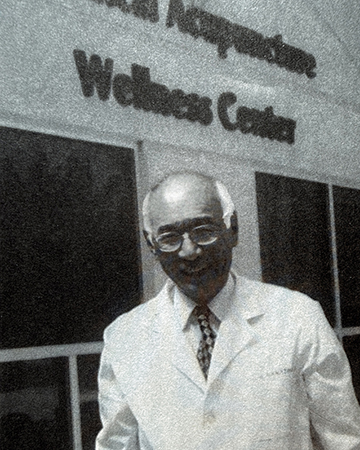
In 1995, at the age of 64, Nakazawa began a whole new career studying, practicing, and teaching traditional Eastern medicine in the United States and in Japan. Five years prior, he had experienced acupressure and acupuncture from a patient who had become an instructor in these Eastern medicine practices. The positive effects of these treatments inspired him to practice acupressure and acupuncture. By 1999, at the age of 67, Nakazawa was able to make a living as a medical acupuncturist. Three years later, he was chosen to become President of the American Academy of Medical Acupuncture and Chair of the American Board of Medical Acupuncture. For ten years, he then taught American medical acupuncture to Japanese doctors and acupuncturists.
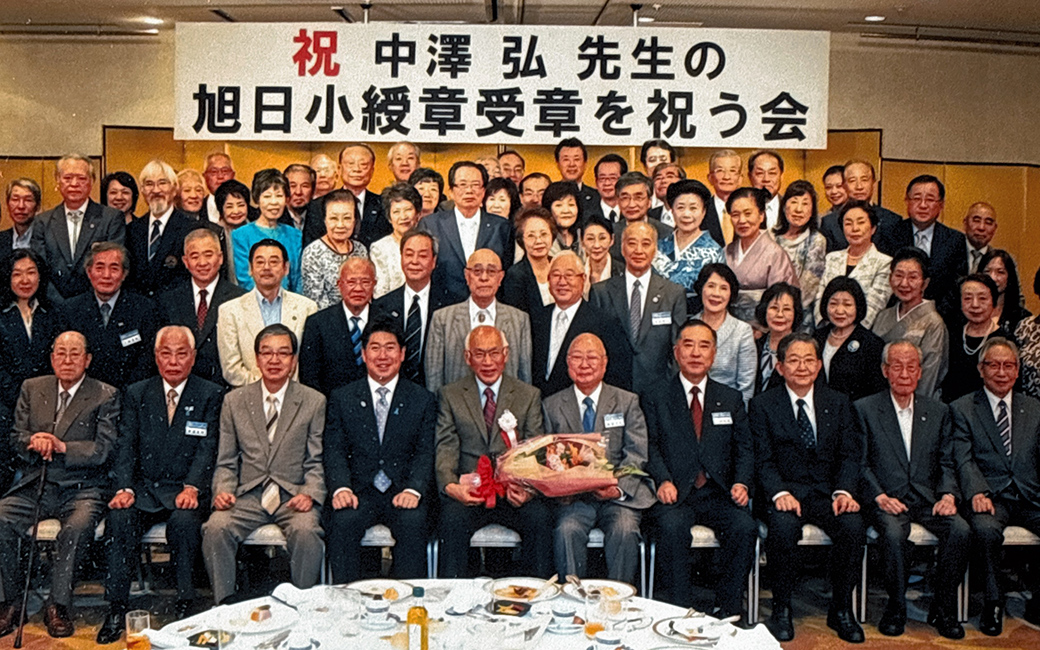
Nakazawa continued to receive accolades throughout his life. Notably, in 2014, he received the Order of the Rising Sun, Gold Rays with Rosette, from the Emperor in Japan in recognition of his contributions to the development of medical exchange between Japan and the United States.
Learn more about Dr. Nakazawa’s story by reading his memoir Memories of a Japanese Doctor in Baltimore: Sixty Years in My Adopted Home, available on Amazon.com.