Fisher Endowed Chairs
Fisher Endowed Chairs are highly promising researchers in the early stages of their teaching and research careers, who exemplify distinction in their field, and who are committed to the engagement of undergraduate students in their research work. The appointment is normally for a three-year period. Meet the current Fisher Endowed Chairs.
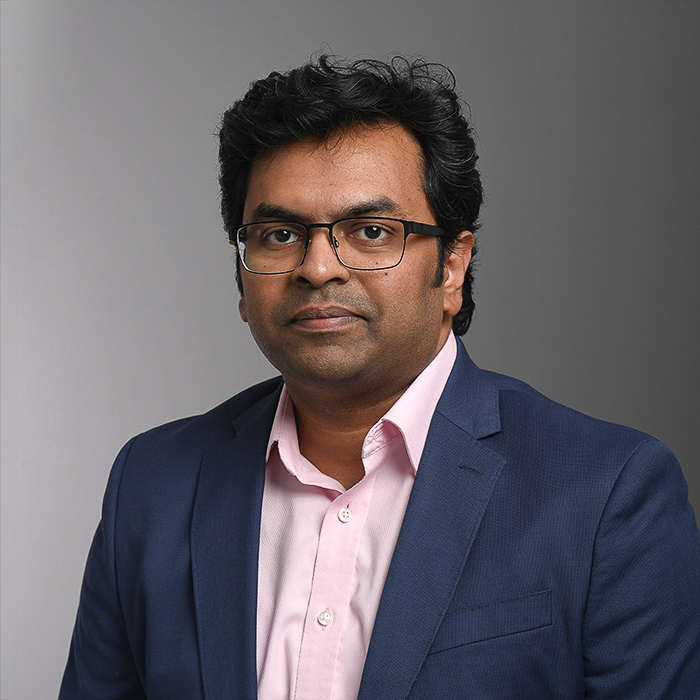
Anik Mallik , Ph.D., 2026–2029
Assistant Professor Anik Mallik joined the Department of Computer and Information Sciences in August 2024. He received his Ph.D. in Electrical Engineering from the University of North Carolina at Charlotte in 2024, his M.B.A. in Marketing from the Institute of Business Administration at the University of Dhaka in 2019, and his B.Sc. in Electronics and Communication Engineering from Khulna University of Engineering and Technology in 2013. Before beginning his doctoral studies, Dr. Mallik worked for five years in the telecommunications industry in Bangladesh.
Dr. Mallik’s research lies at the intersection of artificial intelligence (AI), edge and quantum computing systems, and cybersecurity. As a computing systems researcher specializing in experimental testbed development, he leads the Edge-Quantum Ubiquitous Intelligence Platform (EQUIP) Lab at TU, where his group research energy-efficient and resilient edge intelligence for cyber-physical and quantum computing systems. A central focus of his current work is assistive edge intelligence, where he aims to design real-time systems that deliver private and reliable scene understanding to blind and low-vision (BLV) users. His edge-assisted mobile augmented reality research is currently funded by the U.S. National Science Foundation (NSF). Additionally, he serves as a Faculty Lead (Research) at the Towson AI Institute, where he works to advance AI research at the university and engage communities to integrate trustworthy AI into people's lives. To increase AI awareness and its responsible use, Dr. Mallik has delivered talks at multiple research and teaching seminars.
Dr. Mallik teaches Computer Networks, Robotics, and Artificial Intelligence. He brings his research directly into the classroom through hands-on projects and programmable networking. He also mentors undergraduate, master's, and doctoral students, whose contributions have led to publications in prestigious journals and conference proceedings such as IEEE TMC, IEEE INFOCOM, CNS, ICC, and ACM/IEEE SEC. Through the Fisher Endowment, Dr. Mallik aims to involve more students in ongoing research projects and build his assistive edge intelligence research program, which he envisions spanning more than a decade.
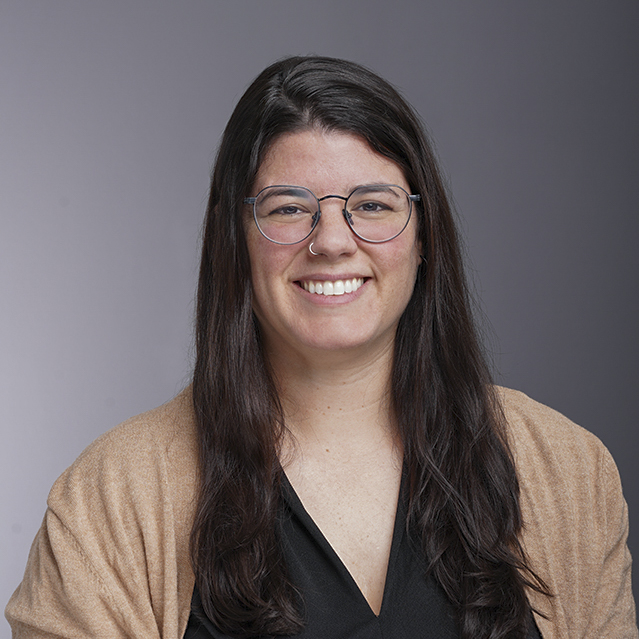
Filipa Simão , Ph.D., 2026–2029
Assistant Professor Filipa Simão joined the Department of Chemistry and Forensic Science at Towson University in January 2025. She earned her Ph.D. in Biosciences from the State University of Rio de Janeiro in 2019, her M.S. in Biochemistry from NOVA School of Science and Technology in 2014, and her B.S. in Forensic and Criminal Sciences from the Higher Institute of Health Sciences Egas Moniz in 2012. Prior to joining Towson University, Dr. Simão held a postdoctoral position at State University of Rio de Janeiro and later at Virginia Commonwealth University.
Dr. Simão's research investigates patterns of human genetic variation and population history, with particular emphasis on understanding population diversity and its implications for forensic science. Her work integrates molecular genetics, population genetics, and bioinformatics to address questions related to ancestry, human migration, and the interpretation of genetic data in forensic contexts. Through this research, she seeks to contribute to both the advancement of forensic methodologies and our understanding of human genetic diversity.
Dr. Simão teaches a graduate CURE laboratory course in Sequencing Technologies, as well as undergraduate courses related to forensic biology and death investigation. She is actively engaged in mentoring undergraduate and graduate students in research and is committed to providing hands-on learning experiences that develop their analytical, laboratory, and scientific communication skills. She plans to use the Fisher Endowment to support students in these efforts. Through her research activities, students have opportunities to participate in projects that combine genetics, data analysis, and forensic applications, preparing them for careers in research, forensic science, and related fields.
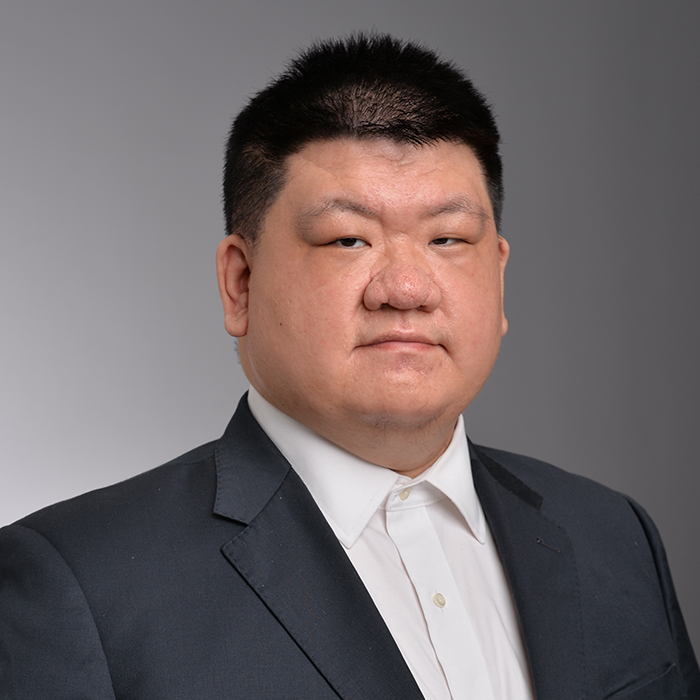
Yifan Guo, Ph.D., 2025–2028
Assistant Professor Yifan Guo joined the Department of Computer and Information Sciences in August 2022. He received his Ph.D. in Computer and Information Sciences from Case Western Reserve University in 2022, his M.S. in Computer Science from Northwestern University in 2016, and his B.S. in Information and Computing Sciences from the Beijing University of Posts and Telecommunications in 2013.
Dr. Guo’s research lies at the intersection of Cybersecurity, Artificial Intelligence (AI), and edge computing, with an emphasis on edge AI, robust federated learning, smart sensing, intelligent cyber defenses, and their applications in the Internet of Things and Cyber‑physical Systems. To that end, his work covers studying fundamental mathematical problems and designing and implementing effective and efficient learning schemes in cutting-edge AI and cybersecurity applications.
Yifan Guo teaches Data Structures and Algorithms, Data Communication and Networking, and Neural Networks and Deep Learning, while actively mentoring undergraduate, master’s, and doctoral students in research. Since joining TU, he has co-authored multiple papers in top-tier conferences, journals, and book chapters in AI, cybersecurity, and edge computing. Through the Fisher Endowment, Dr. Guo aims to expand student research opportunities and pursue competitive external funding to advance research in secure AI and edge intelligence from various government agencies and industrial partners.
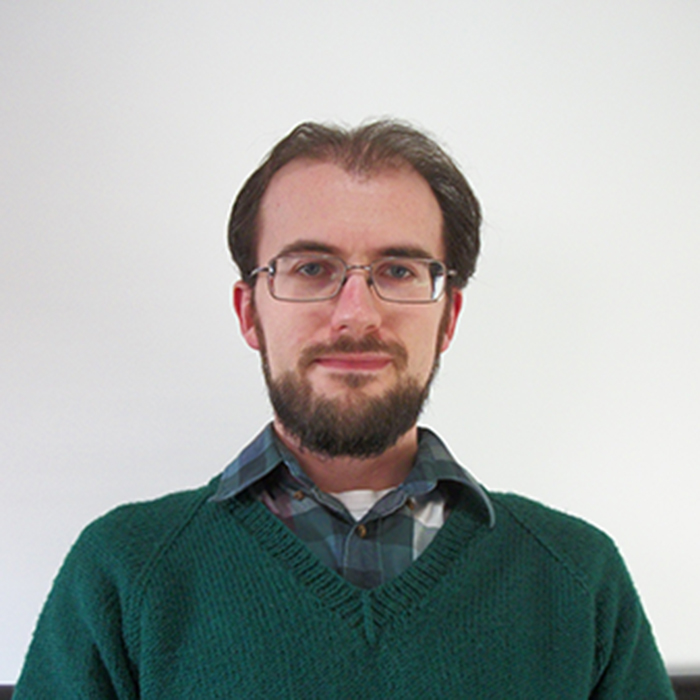
Alan Jackson, Ph.D., 2025–2028
Assistant Professor Alan Jackson joined the Department of Physics, Astronomy, and Geosciences in 2023. He earned an MPhys degree in Physics from the University of Oxford, and a Ph.D. in Astronomy from the University of Cambridge. Prior to joining Towson University, Dr. Jackson held post‑doctoral positions at Arizona State University and the University of Toronto.
Dr. Jackson’s research focuses on the formation and evolution of planetary systems. We now know of thousands of planetary systems, many of which look very different to our Solar System. Dr. Jackson seeks to understand what drives this diversity of planetary systems, and how common planets like our own that support life are. Within our own Solar System, Dr. Jackson is interested in understanding the potential for environments beyond Earth to support life. As part of the work supported by the Fisher endowment, he will be focusing on Jupiter’s moon Europa, the best prospect for another life-supporting location in the Solar System, and how the sub-surface ocean connects to the surface so that we can assess the potential for life there.
Alan Jackson teaches introductory astronomy, planetary science, and fluid dynamics. Since joining Towson University, he has mentored several undergraduates and M.S. students from across the fields represented in the Department of Physics, Astronomy, and Geosciences. He plans to use the Fisher endowment to support undergraduate research, including the purchase of high-performance computers for student use, and to develop new computational and experimental techniques in support of future grant proposals to NASA and NSF.
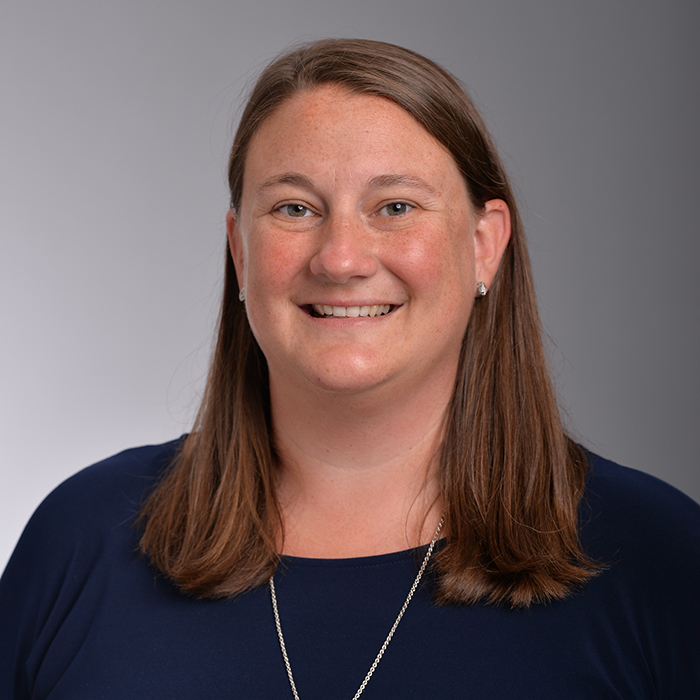
Erin Harberts, Ph.D., 2024–2027
Erin Harberts joined the Department of Biological Sciences in 2020 as a Lecturer and was appointed Assistant Professor in 2022. She earned her B.S. degree in Molecular Biology from Colgate University, and her Ph.D. in Microbiology and Immunology from the University of Maryland Baltimore. She also completed a post baccalaureate fellowship at the National Institute of Neurological Disease and Stroke at the NIH. Prior to joining Towson University Dr. Harberts was a postdoctoral researcher in the Department of Microbial Pathogenesis at the University of Maryland Baltimore.
Dr. Harberts’ research is focused on how the innate immune system recognizes pathogens. Her research investigates how the structure of innate immune ligands defines their activity. The inappropriate activation of the immune system underlies allergic reaction symptoms including: dermatitis, asthma. Anaphylaxis, colitis, and inflammation among other conditions. There is an urgent need to develop more effective therapies for chronic and severe acute allergic reactions. Dr. Harberts is currently exploring ways to improve allergy immunotherapy whereby the allergen is coupled with compounds, called adjuvants, often used to enhance the effectiveness of vaccines. Specifically, she will explore the use of novel bacterial enzyme combinatorial chemistry to produce an array of bacterial lipids for use as adjuvants. This work will provide students with the opportunity to investigate the use of these allergy therapies in mouse models of allergy immunotherapy.
Erin Harberts teaches Immunology, Molecular Biology, Student Research Seminar and a CURE Lab Course. Dr. Harberts has mentored the research of several students, some of whom have gone on to attend top tier PhD programs while others have secured jobs in federal research laboratories at the NIH, FDA, USAMRID, and UMSOM. She plans to use the Fisher Endowment to provide funding for additional students to conduct research in her laboratory.
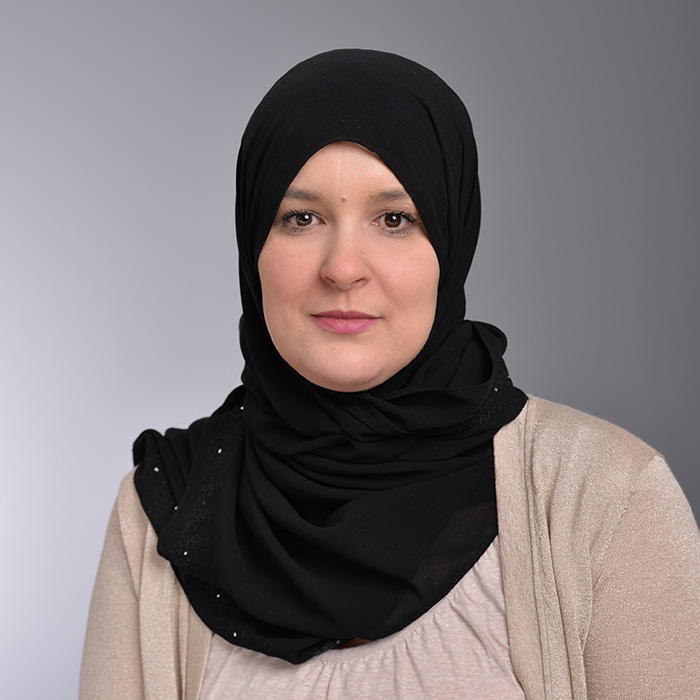
Wassila Lalouani, Ph.D., 2024–2027
Assistant Professor Wassila Lalouani joined the Department of Computer and Information Sciences in 2022. She earned her B.S. and M.Sc. degrees in Computer Science from the University of Science and Technology Houari Boumediene, and her M.S. and Ph.D. degrees in Computer Science from the University of Maryland Baltimore County.
Dr. Lalouani’s research spans the areas of machine learning, network architecture, protocols, and security, with applications in Internet of Things and Cyber-Physical Systems. She is particularly interested in developing smarter defenses to combat the threat of malicious exploitation of AI-driven technologies. The theoretical aspect of her work is the development of algorithms and techniques for security to support data privacy, integrity and confidentiality. On the application side, her research provides innovative solutions in areas such as transportation, healthcare and smart grid. The overarching goal of her research is to build secure, yet efficient, solutions for real-life problems.
Wassila Lalouani teaches Introduction to Computer Science, Data Communication and Networking, and Reverse Engineering and Malware Analysis. Dr. Lalouani has also mentored several undergraduate, M.S. and Ph.D. students since joining TU. She plans to use the Fisher Endowment to support student research to produce critical preliminary data in cyber-physical systems security to use to develop competitive proposals for NSF IUSE and REU grants.
Previous Fisher Endowed Chairs are:
Daniel Caetano, Department of Biological Sciences, 2023–2026
Neda Saeedloei, Department of Computer and Information Sciences, 2023–2026
Hervé Nganguia, Department of Mathematics, 2022–2025
Khanh-Hoa Tran-Ba, Department of Chemistry & Forensic Science, 2022–2025
Michelle M. Casey, Department of Physics, Astronomy and Geosciences, 2021–2024
Weixian Liao, Department of Computer & Information Sciences, 2021–2024
Jing Tian, Department of Mathematics, 2021–2024
Kimberly Corum, Department of Mathematics, 2020–2023
Anne Estes, Department of Biological Sciences, 2020–2023
Lin Deng, Department of Computer & Information Sciences, 2019–2022
Jacqueline M. Doyle, Department of Biological Sciences, 2019–2022
Lindsey-Kay Lauderdale, Department of Mathematics, 2019–2022
Melike Kara, Department of Mathematics, 2018–2021
Wendy Nelson, Department of Physics, Astronomy and Geosciences, 2018–2021
Christopher Cornwell, Department of Mathematics, 2017–2020
Mary Davadas, Department of Chemistry & Forensic Science, 2017–2020
Nathan McNew, Department of Mathematics, 2016–2019
Nam Nguyen, Department of Computer & Information Sciences, 2016–2019
Keith Reber, Department of Chemistry & Forensic Science, 2016–2019
John Sivey, Department of Chemistry & Forensic Science, 2015–2018
Elana Ehrlich, Department of Biological Sciences, 2014–2017
Petra Tsuji, Department of Biological Sciences, 2013–2016
Joel Moore, Department of Physics, Astronomy and Geosciences, 2013–2016
Matthew Hemm, Department of Biological Sciences, 2011–2014
Meghan May, Department of Biological Sciences, 2012–2013
Elizabeth Duncan-Vaidya, Department of Biological Sciences, 2010–2011
Timothy Brunker, Department of Chemistry & Forensic Science, 2009–2012
Jennifer Scott, Department of Physics, Astronomy and Geosciences, 2007–2010
Joy Watts, Department of Biological Sciences, 2006–2009